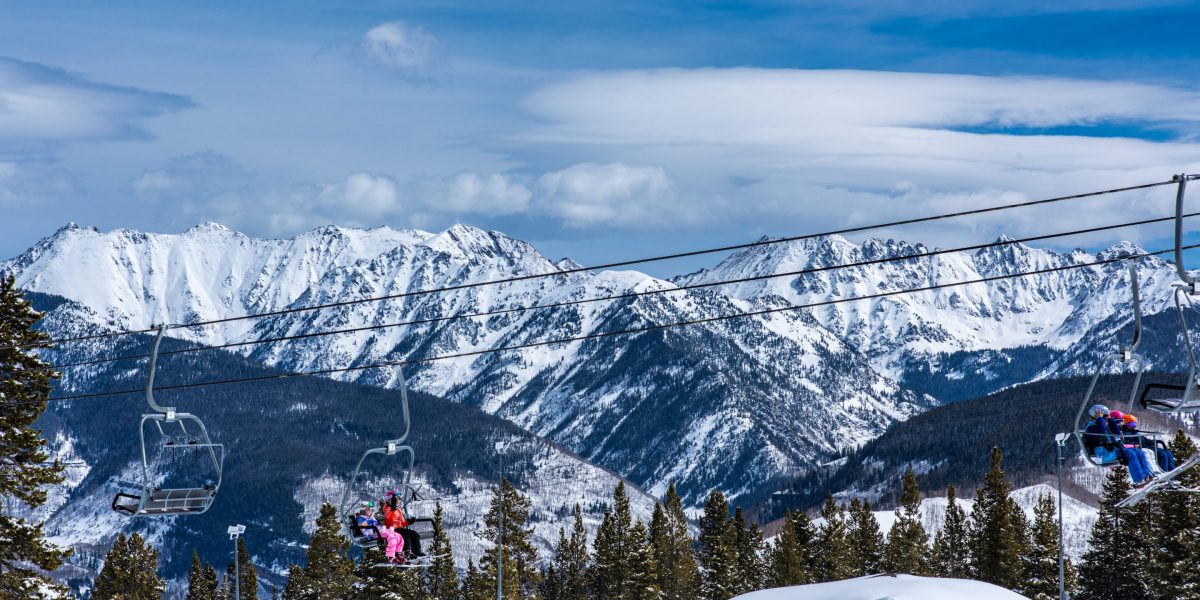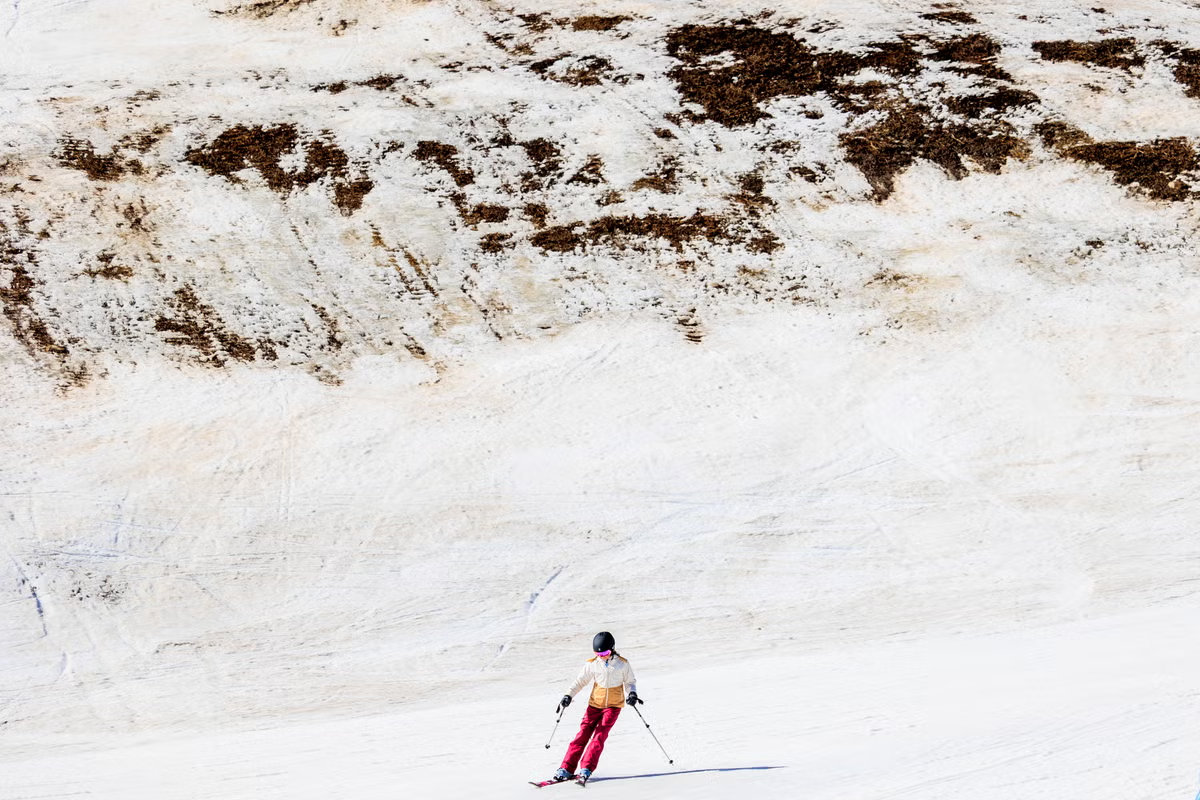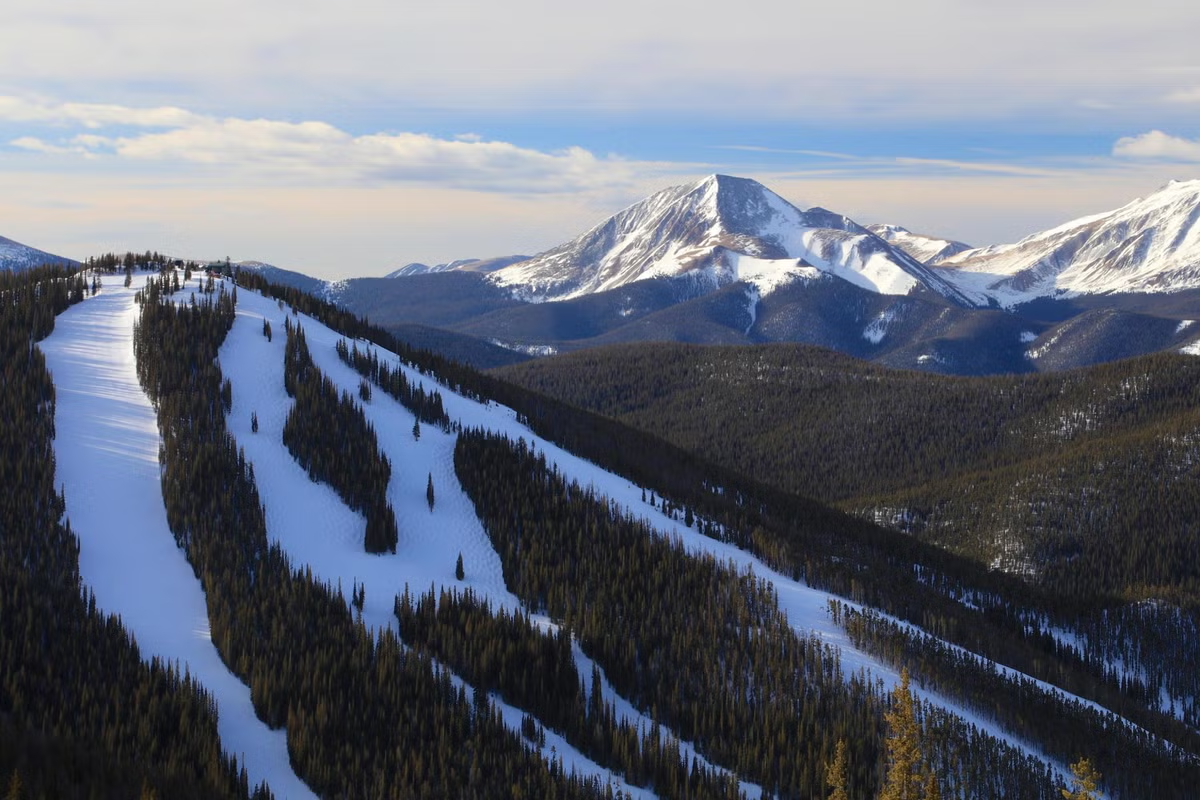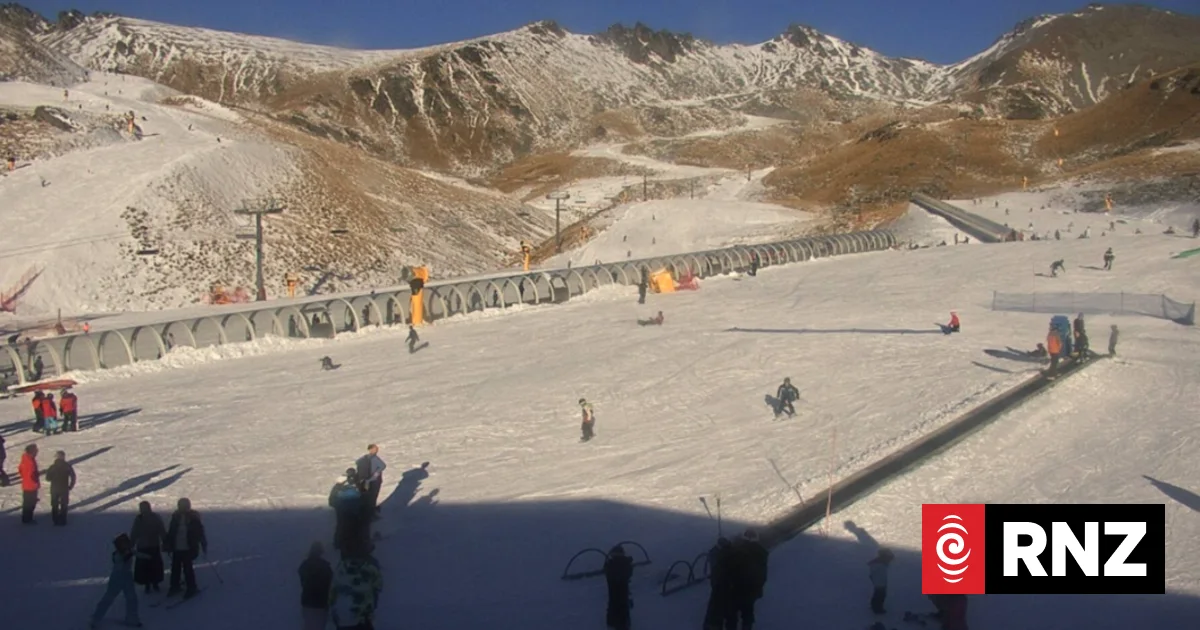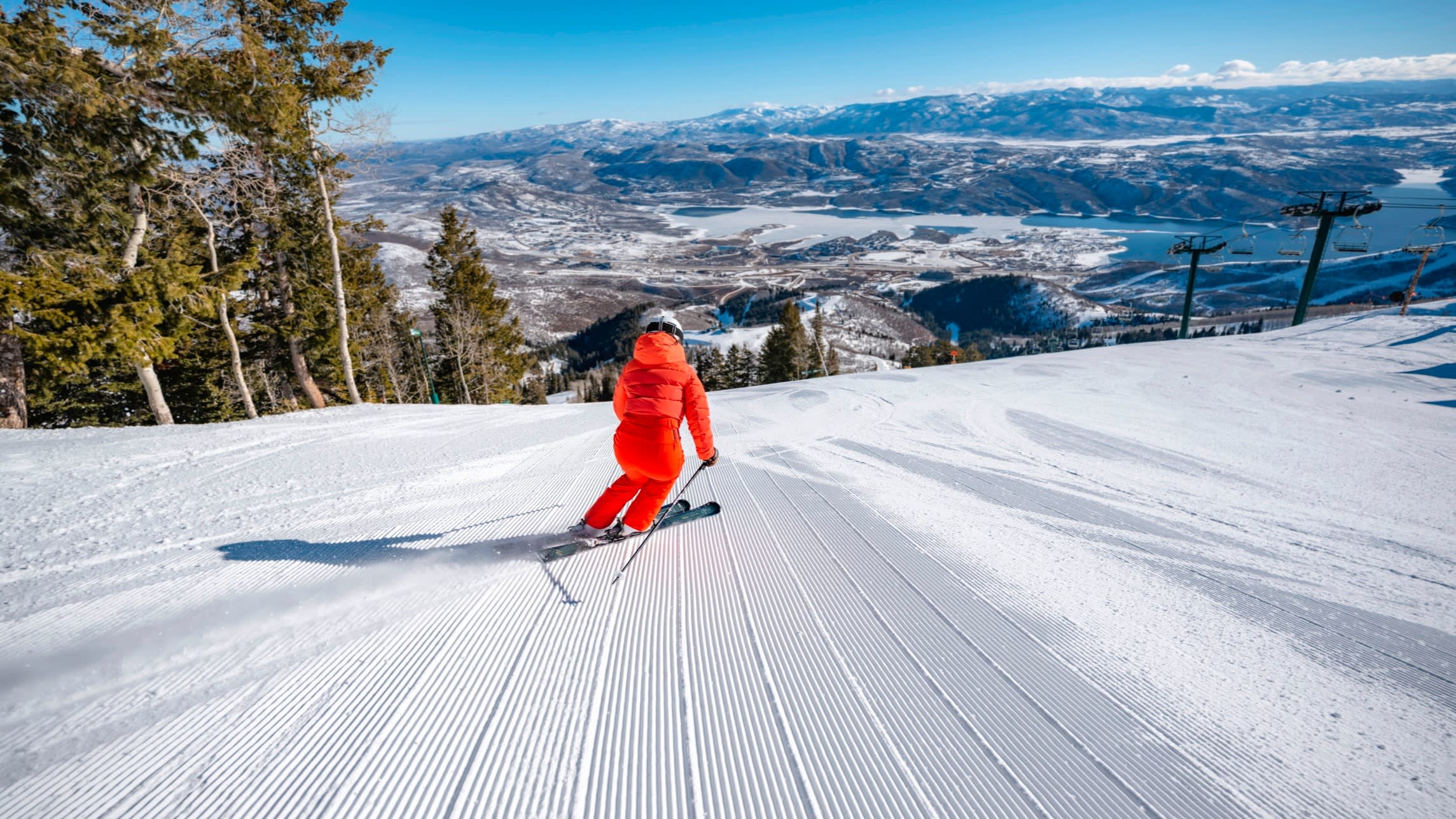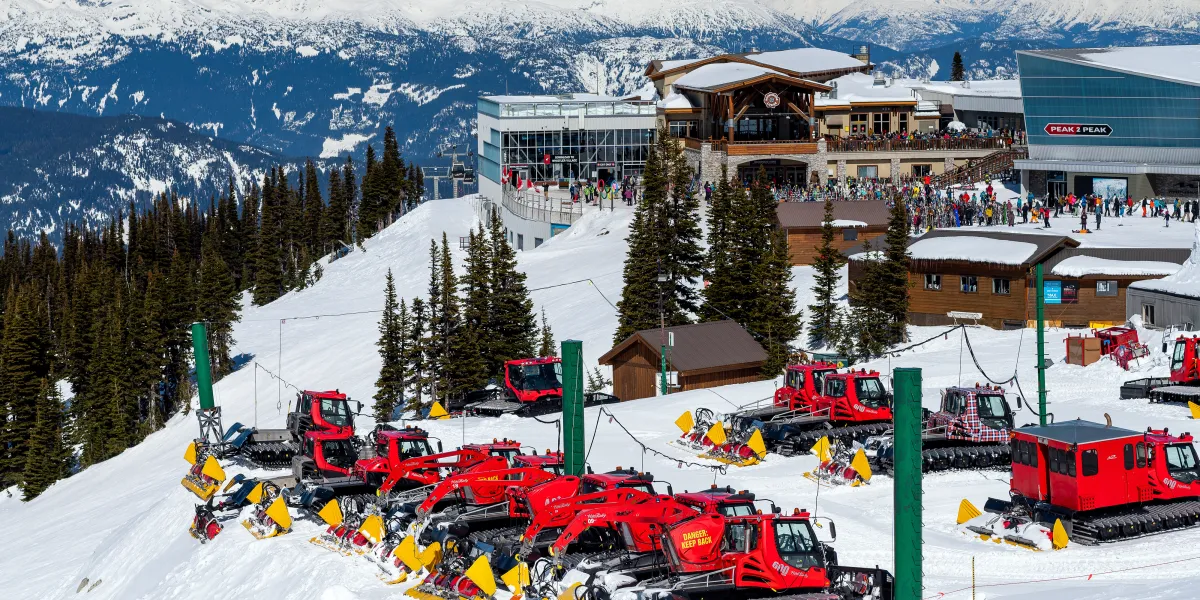
The ski season of 2025–26 is winding down—and it was a tough one for Vail Resorts, the world’s largest operator of ski hills. With snowfall 60% below normal for the season through February in its home state of Colorado and low in neighboring Utah, Vail has seen skiers and snowboarders stay away in droves.
Adding to the pressure on Vail, it has been the second difficult winter in a row. Last year, in addition to insufficient snow in many locales, the company saw a 12-day ski-patrol strike close most runs at its largest resort in Park City, Utah, leaving countless customers disappointed, including venture capitalists energetically taking to X to air their dissatisfaction over having to wait in long lift lines. The crisis led to the departure of then–CEO Kirsten Lynch a few months later.
Because Vail’s business model is predicated on people buying passes that cost around $1,000 upfront—on sale for a limited time months before the start of the season, giving them access to dozens of resorts in the U.S. (both in the East and West), Canada, Switzerland, and Australia—revenue fell only 4.7% in its most recent quarter, largely because of fewer ski rentals and fewer lodge rooms booked. (In North America, visits were down 11.9% through March 1.)