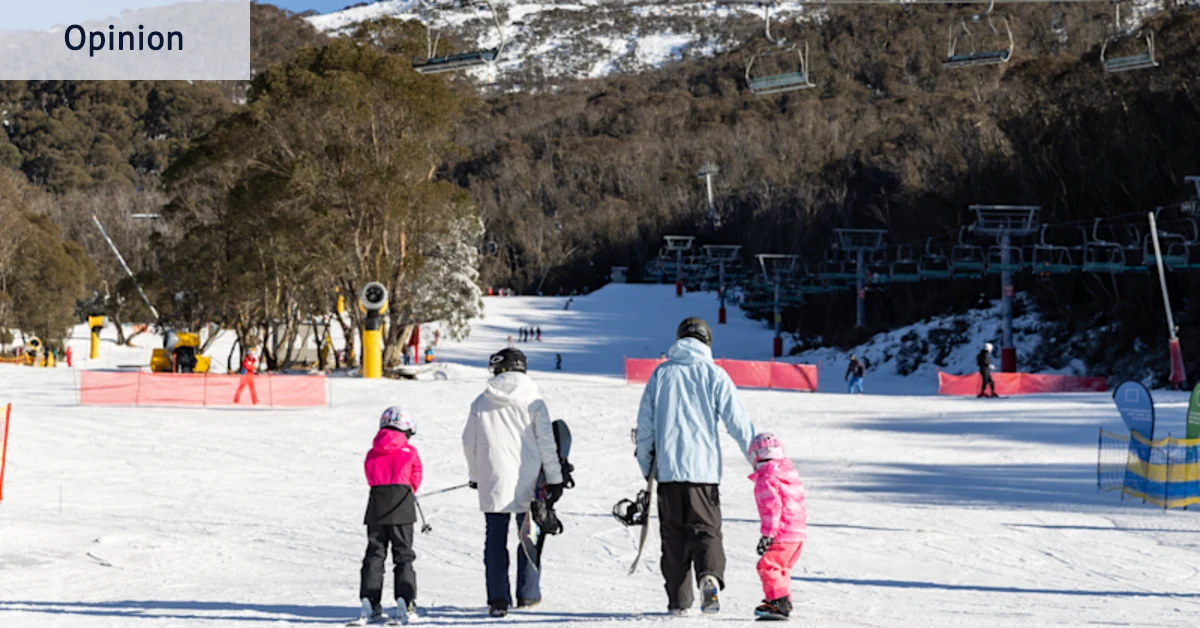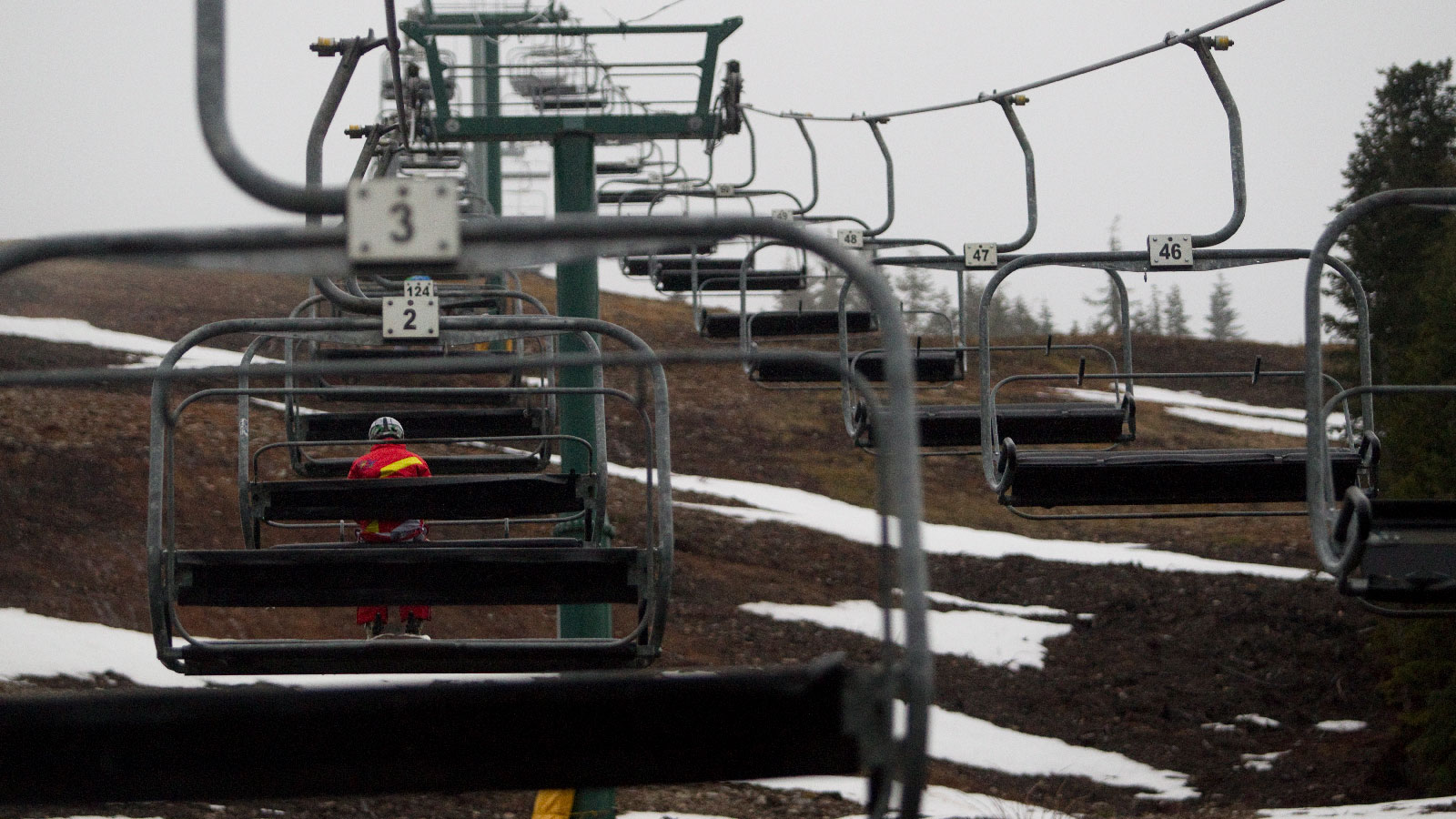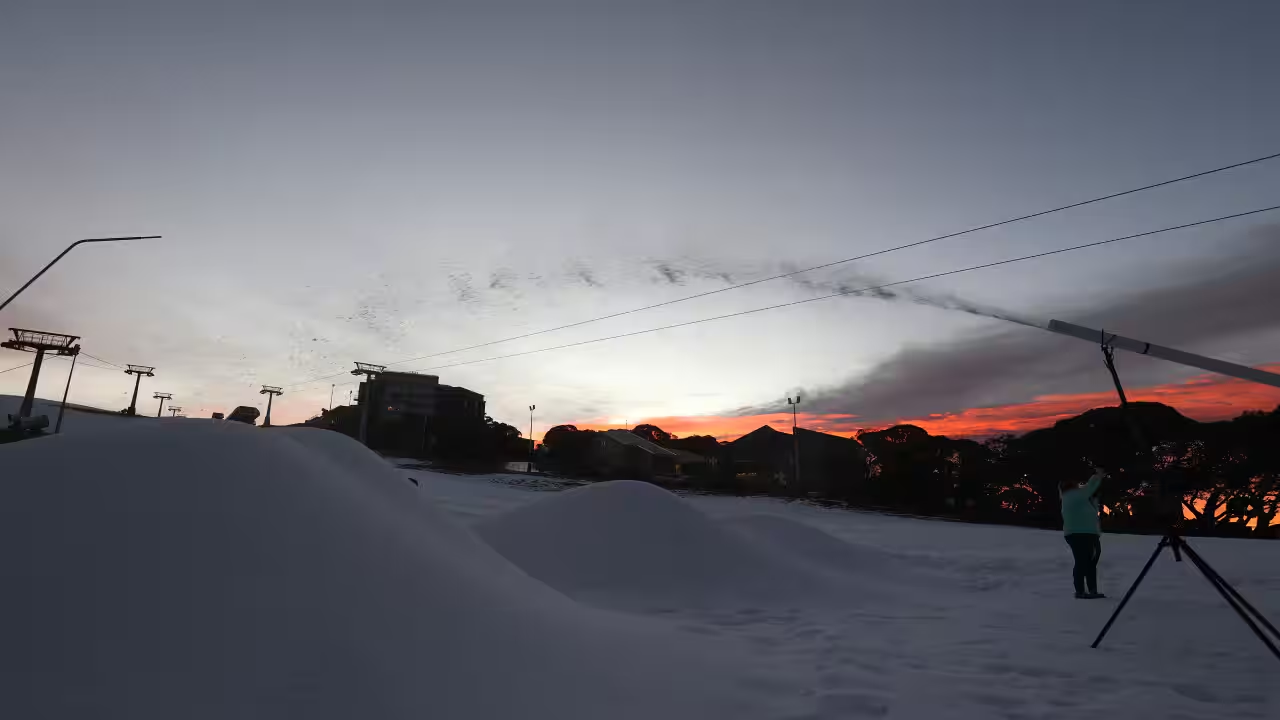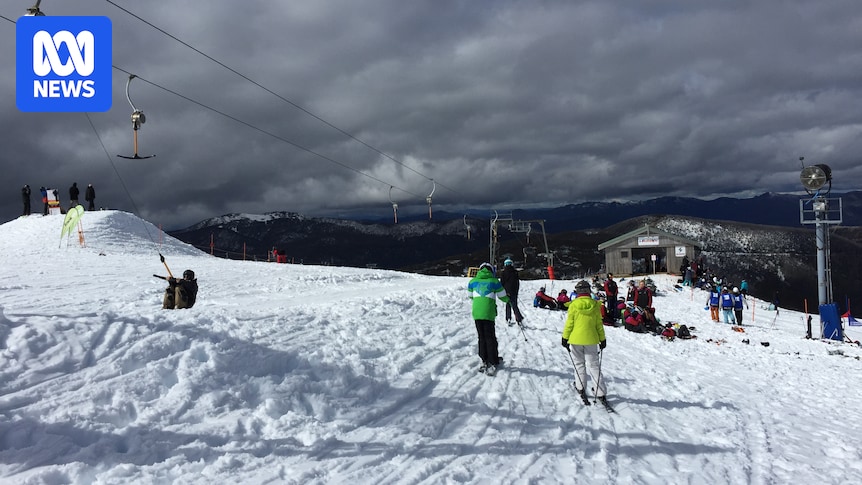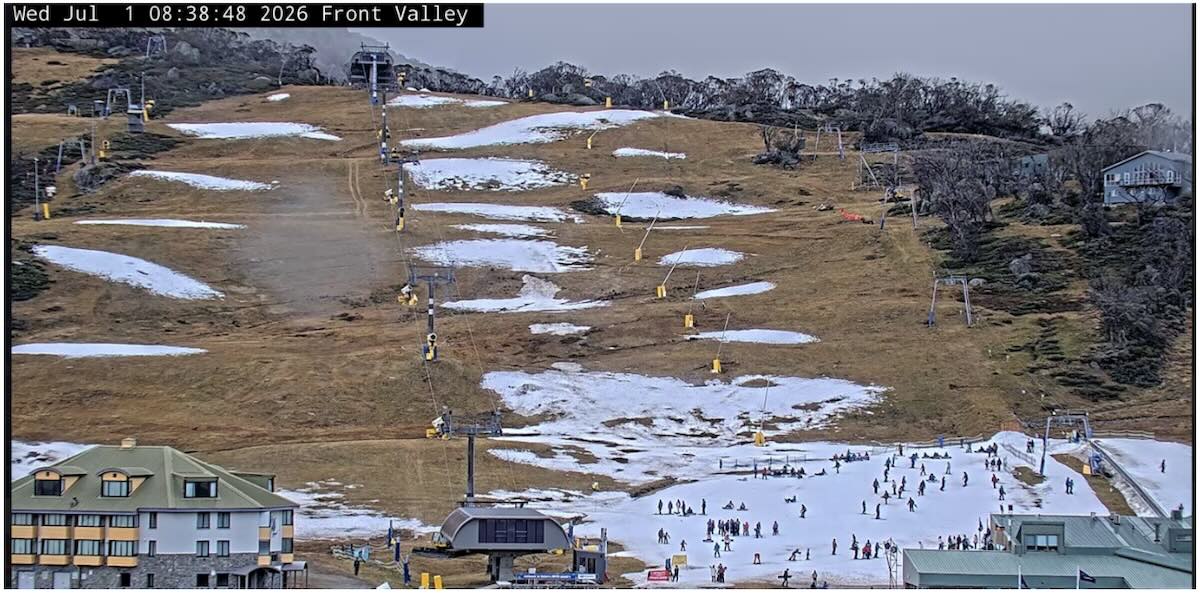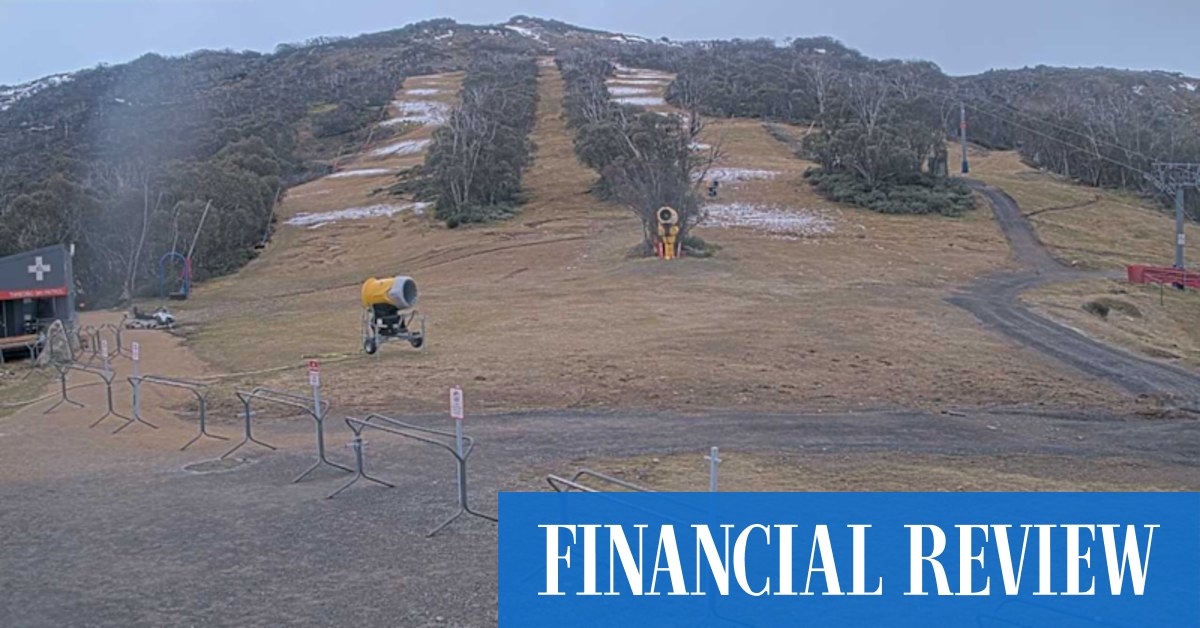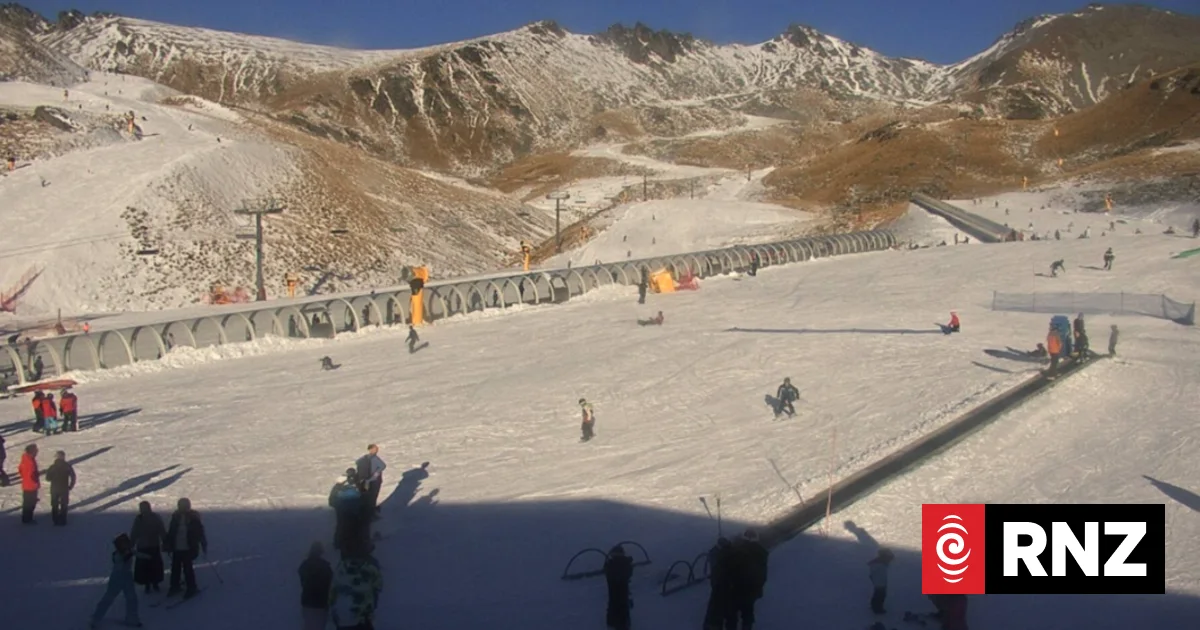
Global warming has long threatened the ski industry, but operators around the country are pumping big money into their fieldsSki fields are set to open this weekend but it is technology, not Mother Nature, bringing desperately needed snow to the slopes.Despite the live webcams starkly showing mountains still brown after a mild autumn and early winter, operators are pouring tens of millions of dollars into snow-making technology that enables them to bet confidently on the future."Snow making could have us skiing here as well in the year 2090 as what we were in 1990," says Travis Donohue, chief executive of Whakapapa ski field on Mount Ruapehu.He tells The Detail how advances in technology mean snow can be made at temperatures of up to 20 degrees Celsius, which allows the field to expand its offerings to include tubing."We were able to open that on King's Birthday because of that snow factory," he says."Snow making is two things. It can add a really great base for the natural snow to fall on but when the natural snow hasn't fallen, it is actually a fantastic piece of insurance for us against the variability," says Donohue, who points out that Ruapehu's ski seasons extend to Labour Weekend in October.Donohue also says that the snow makers use a lot of power at a time when the rest of the country needs it too, but he believes that developments in technology will make them more efficient over time.So confident are the owners of three major South Island fields that they are spending more than $150 million on expansion.NZ Ski plans to build the country's longest gondola and develop a new ski field at The Remarkables near Queenstown.If approved under the Fast-Track process, The Doolans will become the country's largest ski field.NZ Ski chief executive Paul Anderson says the variability of the weather is more challenging than temperatures rising by one or two degrees."In our application for the expansion of The Remarkables, the Department of Conservation [DOC] has asked some very valid questions about climate change. We've been operating up there for 40 years and we went back and looked at the snowfall accumulations over that period and it's actually trending up which was probably not what we expected to see," says Anderson.Around the country the lack of natural snow forced some operators to delay opening this season by two weeks, while a few have been running their beginner fields on snow from machines."It's all man-made snow that's propping them up," says RNZ's Queenstown-based journalist Katie Todd.She says the lack of snow is not unprecedented, referring to the saying 'snow in May never stays, snow in June too soon, snow in July you can rely'."But it is an El Niño year as well, so that also means from the outset ski operators were saying that it was going to be a really unpredictable year. It also comes on top of last year being really bad for snow. Earth Sciences New Zealand told us that it was abysmal for snow in New Zealand last year and some of the little club fields never got to open; some of them opened for one weekend in total."Todd says a two-speed ski industry is emerging with club fields faring worse because they can't afford the snow making technology, while the larger operators can manufacture their way through the season.In the North Island at Mount Ruapehu, after years of turmoil, the Whakapapa and Tūroa fields have new owners each with 10-year concessions to operate in the national park.But off the slopes there's still uncertainty, says Newsroom business reporter Andrew Bevin. Ngāti Tūwharetoa and a hapū grouping from the Whanganui River are seeking judicial reviews over the concessions DOC granted to the ski field operators."They had the Crown in court challenging those concessions on the basis that these groups believe that the concessions were granted illegally because they didn't adequately respect the Treaty negotiations in the process," says Bevin.If the judicial review goes ahead, the Whakapapa concession will likely need to be reconsidered, any amendments to the Tūroa concession will have to be reconsidered, and any future concessions in the National Park will have to adequately consult manawhenua.Bevin says it is unlikely to affect ski field operations under their current concessions.Check out how to listen to and follow The Detail here.You can also stay up-to-date by liking us on Facebook or following us on Twitter.
Why the ski industry is betting big on the future
Global warming has long threatened the ski industry, but operators around the country are pumping big money into their fields
732 words~3 min read