Events in Denmark and Italy show geopolitical instability is creating opportunities for a centre-left response to the far right
I
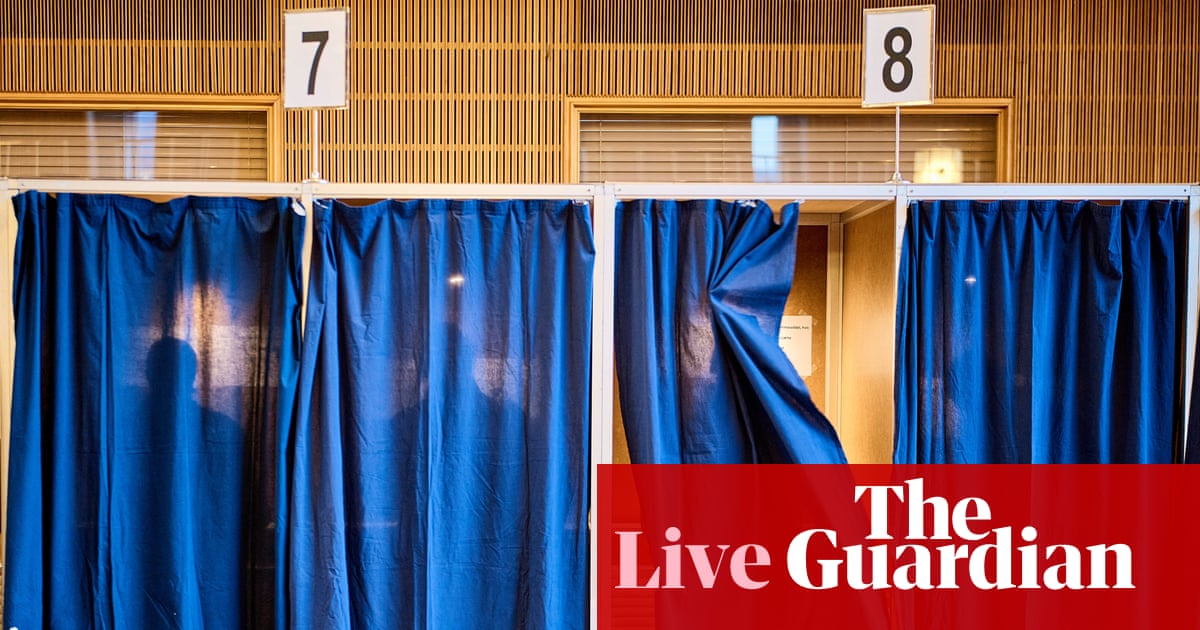
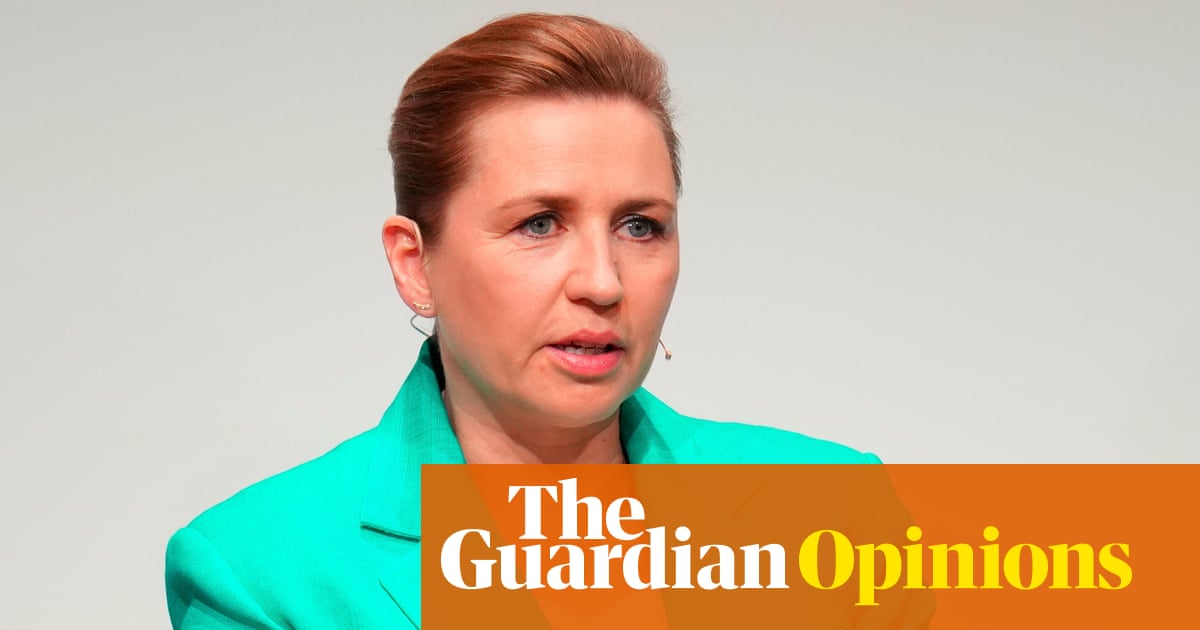
n the lead-up to Denmark’s snap election on Tuesday, it was revealed that blood supplies were flown into Greenland in January in order to treat Danish military casualties in the event of a US invasion. Against that surreal backdrop, the country’s Social Democrat prime minister, Mette Frederiksen, did not need to work too hard to justify a “stick to what you know” message in uncertain times.
Ms Frederiksen’s surprise gamble in calling an early poll duly paid off, but only just. Donald Trump’s threats to annex territory belonging to a Nato ally handed her party a patriotic lifeline, after it had endured a historic humiliation in local contests last November. But in a campaign dominated by domestic issues, the hoped-for Trump bump was modest, meaning that any Frederiksen-led coalition will depend on centrist support. The Social Democratic party remains comfortably the biggest political force, but its vote share dropped markedly compared to the last general election, while rivals to the left and on the far right made notable gains.
Those sizeable caveats aside, the Danish vote – and a significant week in European politics more generally – offers the continent’s progressives some reasons to be cautiously cheerful. The forward march of the populist right has not been halted, as recent state election results in Germany also attest. But there are signs that Mr Trump’s deepening unpopularity, and his illegal and economically reckless war on Iran, may be contributing to a subtle change in the political weather.