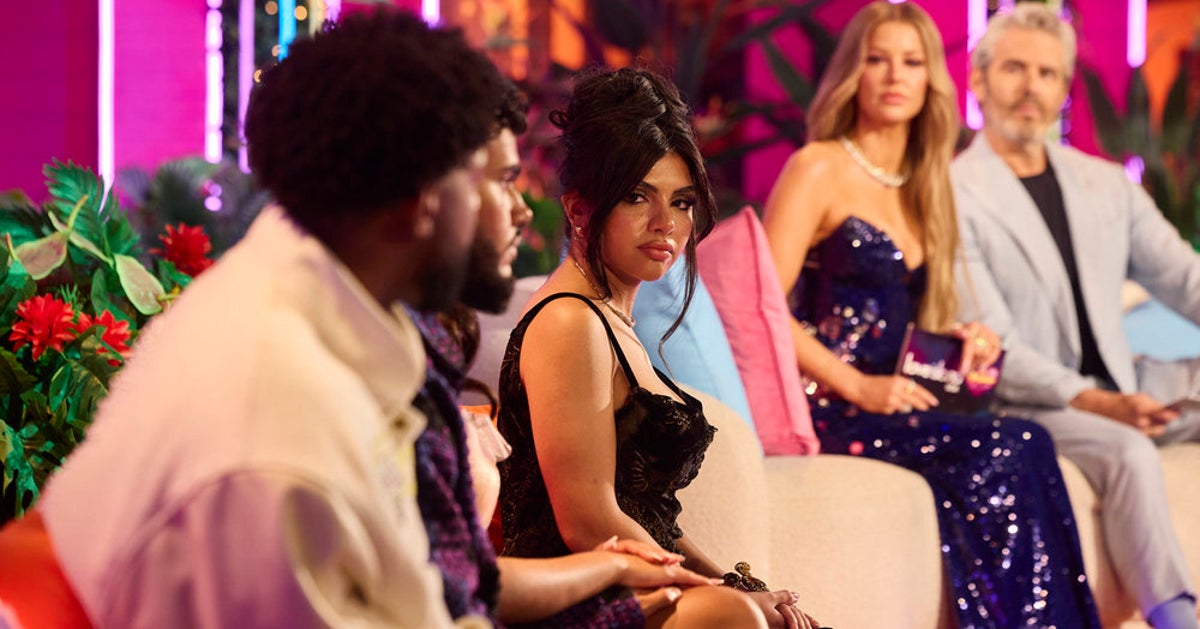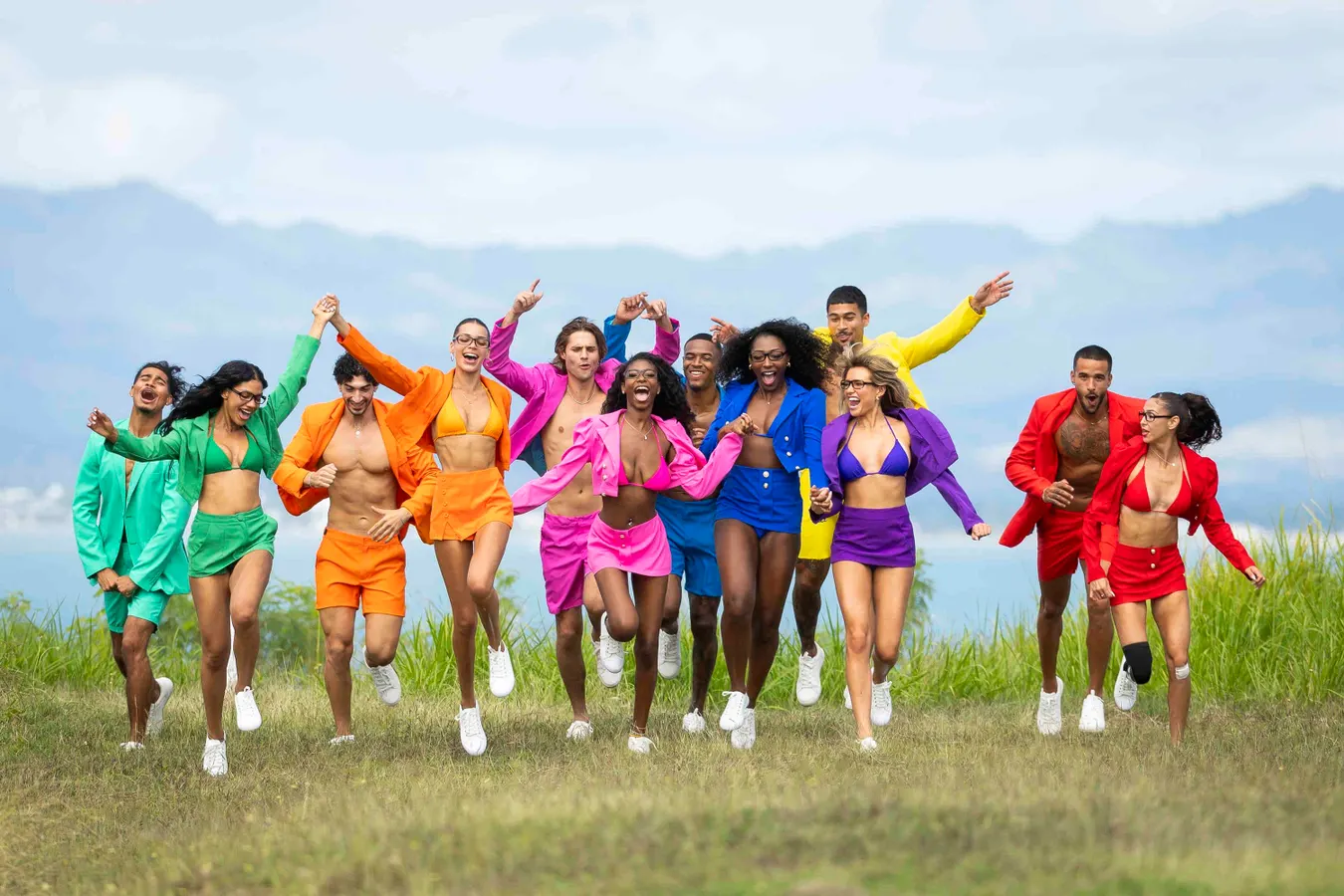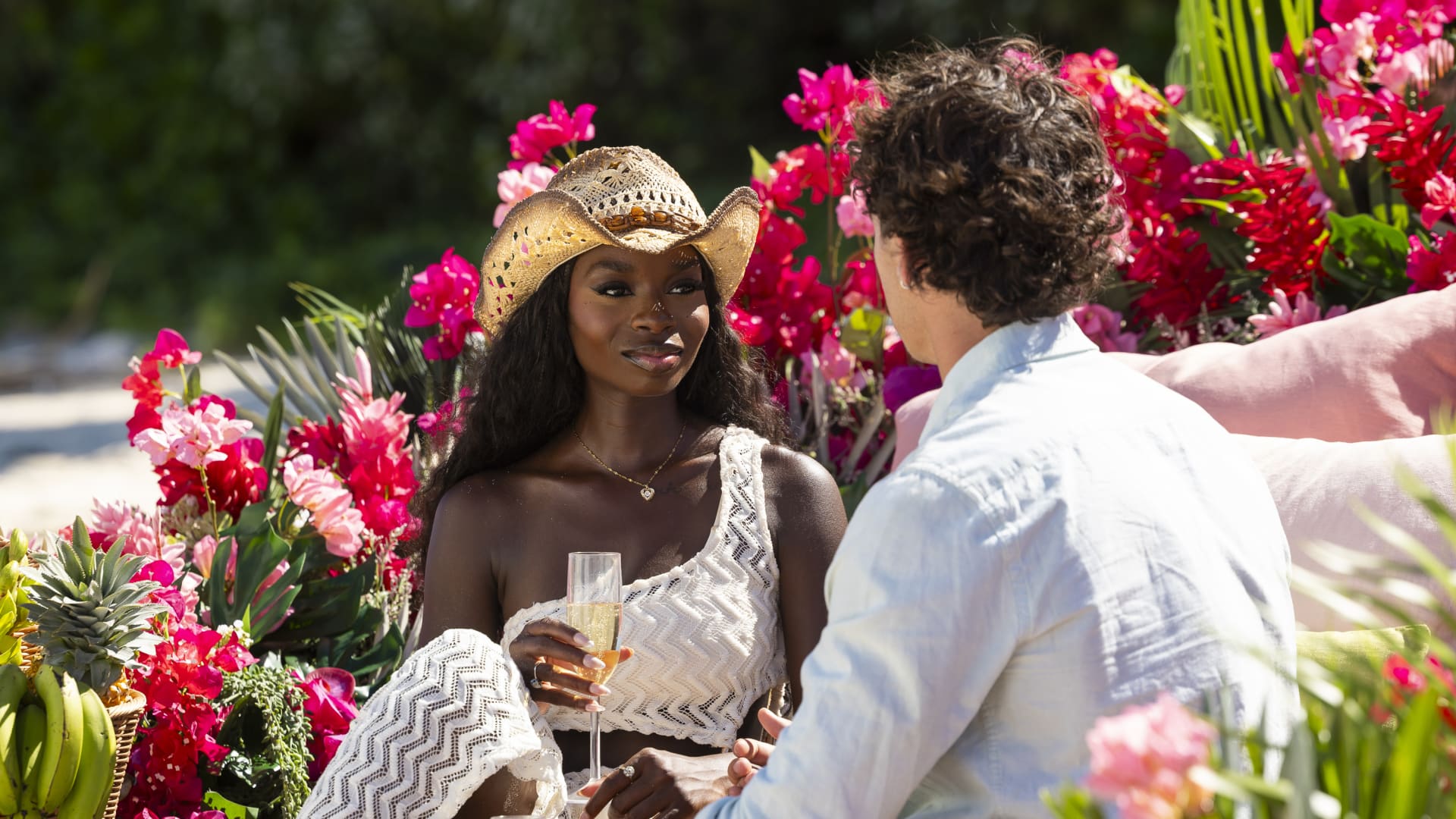
Even as the reality TV industry shrinks, shows like “Love Island USA” and “The Traitors” are soaring in popularity. Watching such unscripted reality shows can change your behavior in ways you may not realize, says sociologist Danielle J. Lindemann.
“We might think that people are just passive receptacles for reality TV, but there’s a lot of research that shows people are consuming these shows more actively and, whether good or bad, learning from the shows,” says Lindemann, a Lehigh University professor who has taught courses about the sociology of reality TV. She’s also the author of “True Story: What Reality TV Says About Us,” which published in February 2022.
Unscripted reality TV has been a staple in American homes, to some degree, since the 1990s — largely due to shows with unpredictable and contentious characters like CBS’ “Survivor” and MTV’s “The Real World.” The genre is currently experiencing simultaneous ups and downs, with some shows soaring in viewership while swaths of others are losing viewers or being cancelled.
DON’T MISS: The leadership skills that can help you stand out at work
The annual number of new seasons of unscripted and reality TV shows has fallen by a third in the U.S. since 2022, according to data collected by research group Luminate and reported by The New York Times on Tuesday. On March 19, ABC cancelled the latest season of “The Bachelorette” after a scandal involving the season’s bachelorette Taylor Frankie Paul, who’s also a star of Hulu’s “The Secret Lives of Mormon Wives.” ABC also didn’t air a season of “The Bachelorette” in 2025, breaking a streak of 18 consecutive years at the time.