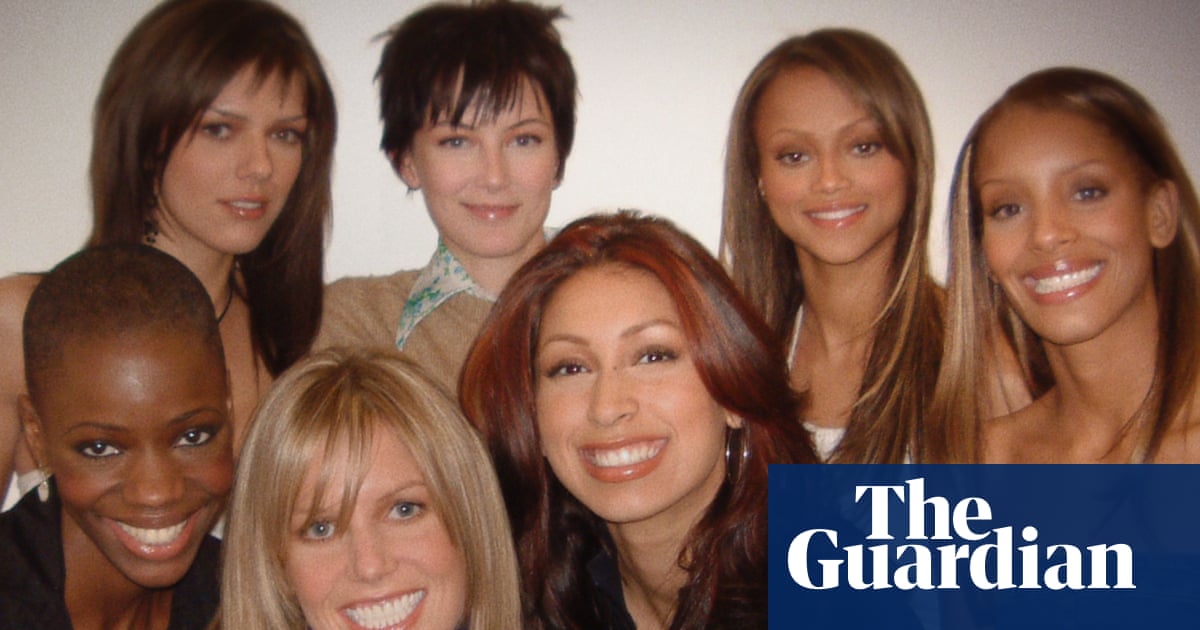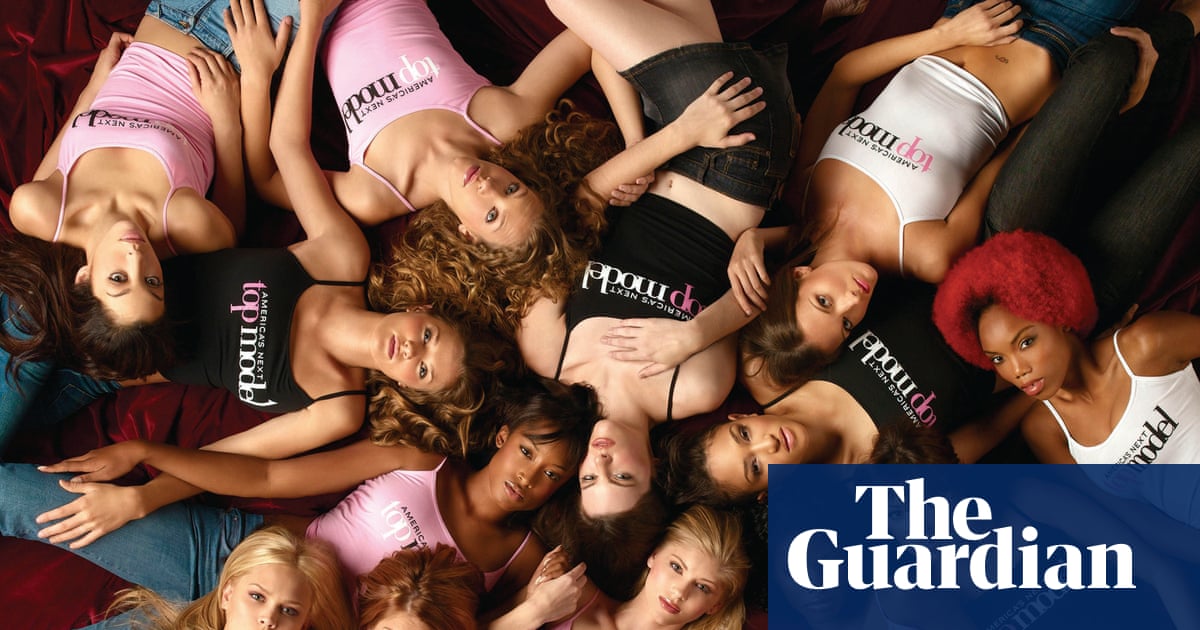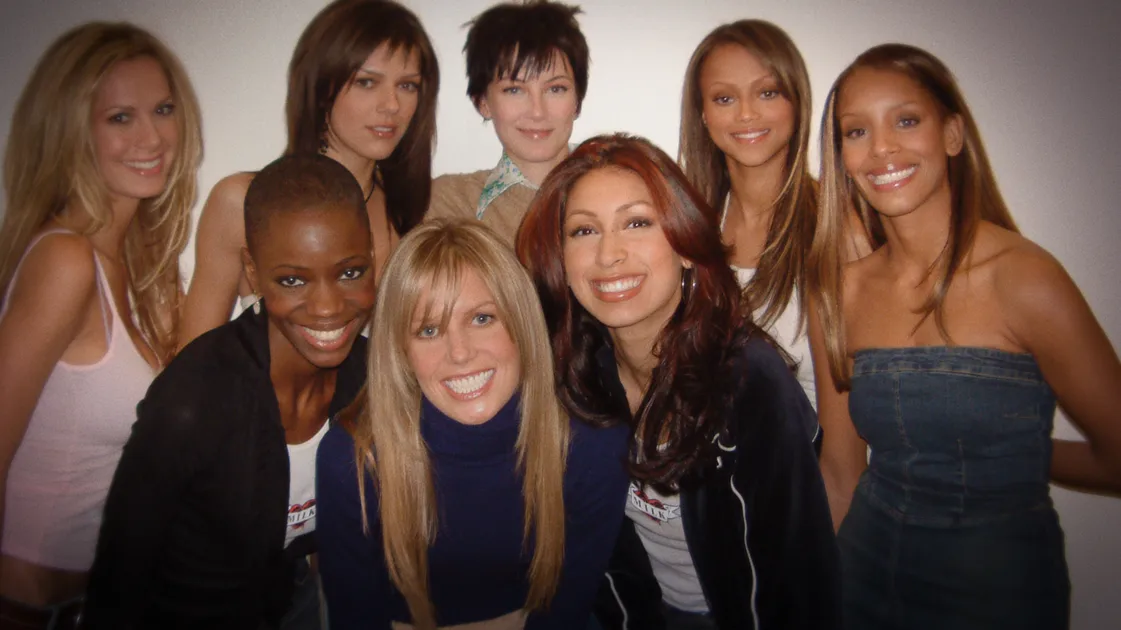
A string of documentaries are taking aim at problematic millennial hits such as The Biggest Loser and America’s Next Top Model – but who’s to blame?
C
aution: the 2000s have become a crime scene. The reality television my generation once watched as escapist comfort – built hastily and clumsily, before anyone quite knew the rules – is now being dusted for fingerprints by a younger cohort fluent in the language of harm, certain that cruelty was the point. The past six months have brought a spate of brooding postmortems revisiting The Biggest Loser, To Catch a Predator and America’s Next Top Model – dodgy network TV experiments that monetized humiliation at scale.
And while the critiques are frequently justified, they’re also conveniently calibrated for a judgmental media landscape where retrospective outrage doubles as a growth strategy. “Gen Z wants to get in a time machine and fix the errors of 20 years ago,” says Kristen Warner, a Cornell University media studies professor. “There was no roadmap. Reality TV was a wild west, and people were just doing the most outlandish things to keep it going.”
Netflix’s Fit for TV serves as a reckoning for The Biggest Loser, the NBC hit that oscillated between inspiration and cruelty across more than 200 episodes. Co-creator David Broome recalls intentionally choosing a show title that defied expectations, luring audiences with the thrill of secondhand embarrassment and keeping them hooked on stories of personal triumph. Amid the revolving door of contestants and the rise of host and trainer brands, one star eclipsed them all: the scale.