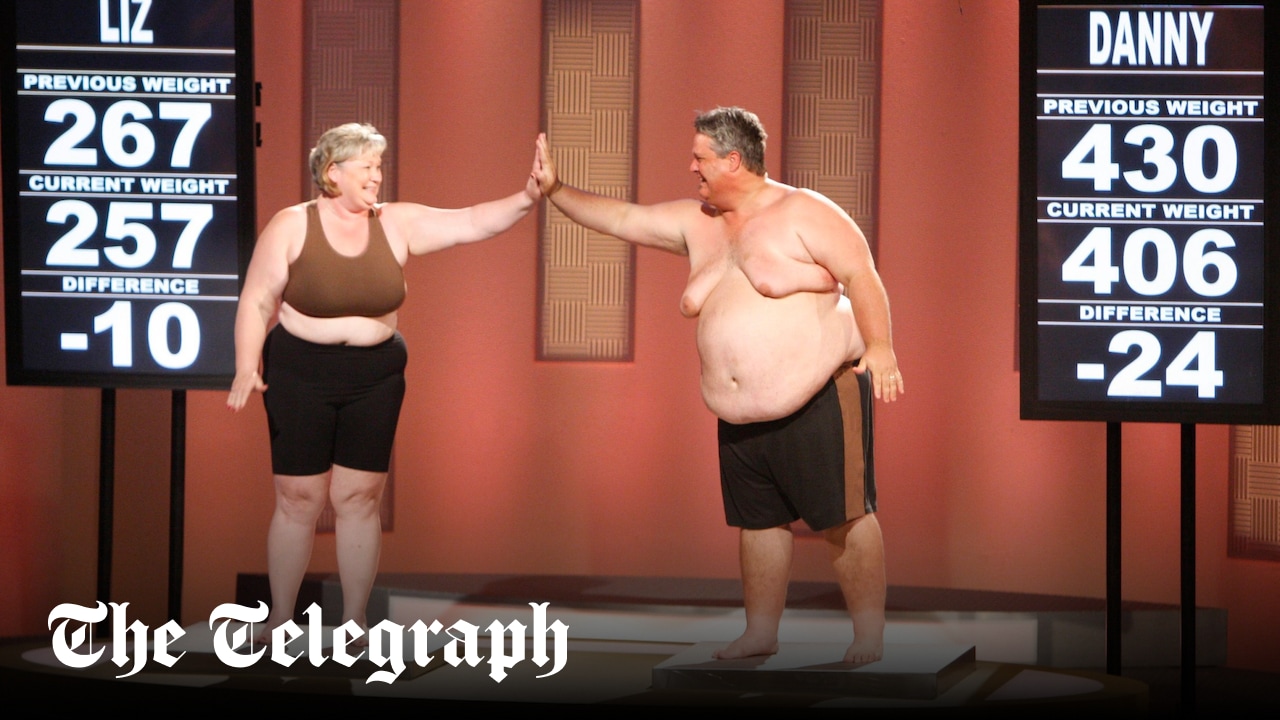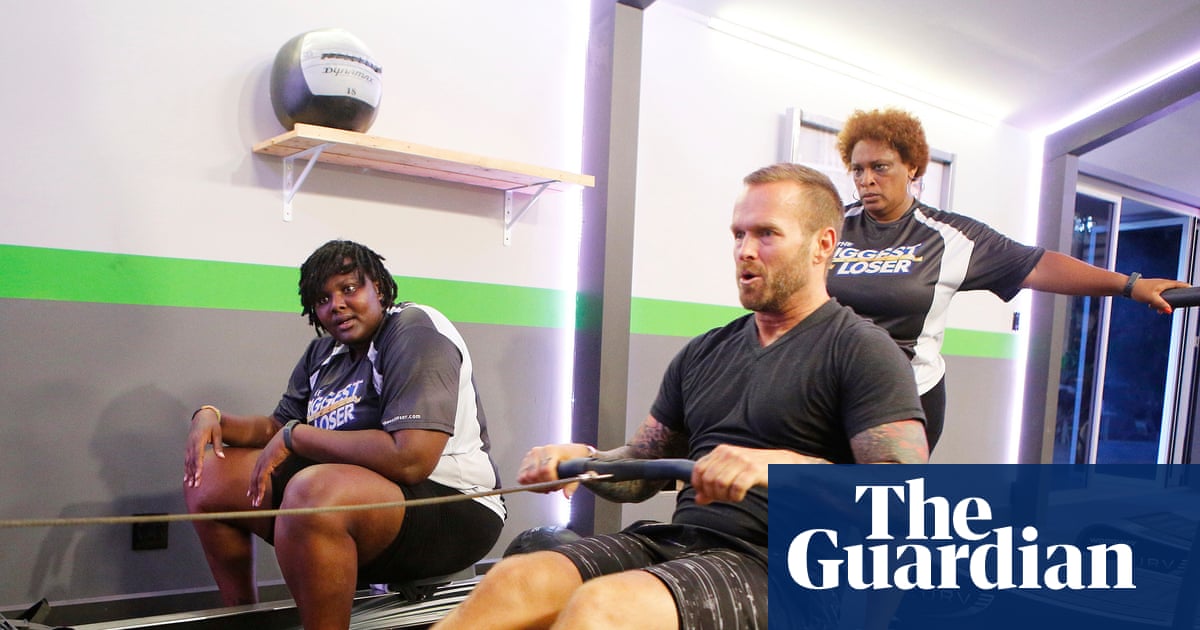
Millions of Americans watched for 18 seasons as people pushed their bodies to the limits physically, ate as few calories as possible, and underwent sometimes mortifying challenges to be crowned “The Biggest Loser.”
It was discomfort worth grappling with for a shot at better health and a new life, many of the contestants said. But “Fit for TV: The Reality of ‘The Biggest Loser,’” a Netflix docuseries premiering Friday, suggests that the cultural phenomenon may not have been healthy for the contestants or the country at large.
When creating the new show, filmmakers asked themselves whether “The Biggest Loser” was, in fact, part of an industry promoting health and wellness in the United States, said Skye Borgman, the director of the docuseries. “Everybody always wants a magic bullet that’s real. And the thing about magic bullets — they’re never real.”
“Fit for TV: The Reality of ‘The Biggest Loser’” investigates how the highly popular show affected the contestants and conversations around health. The docuseries also explores the implications of so many viewers being willing to watch –– and sometimes laugh at –– people attempting to lose weight.
“It was such a huge phenomenon and absolutely reflected and perpetuated some of the really harmful messages around weight and weight loss,” said Dr. Rebecca Pearl, associate professor of clinical and health psychology at the University of Florida.