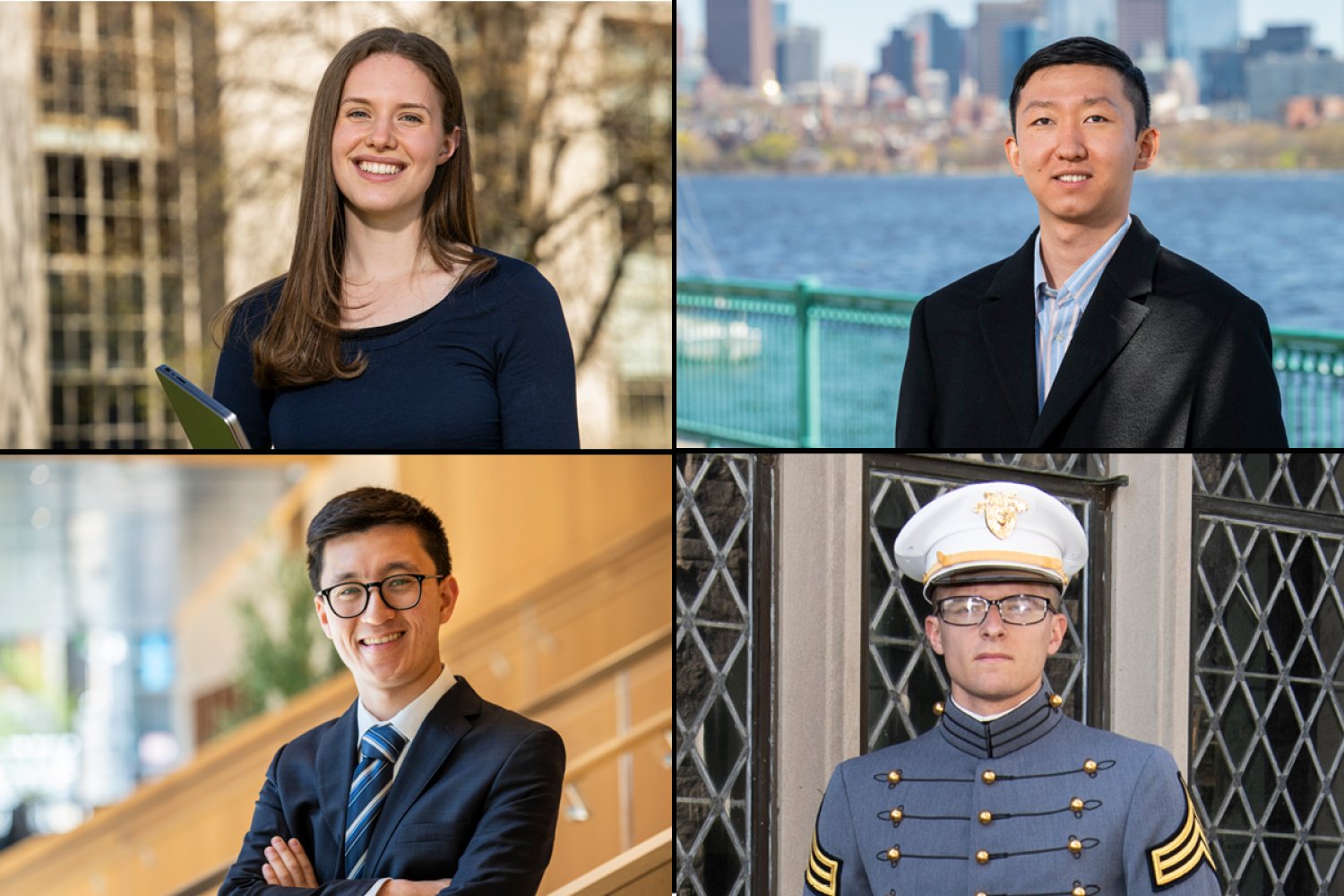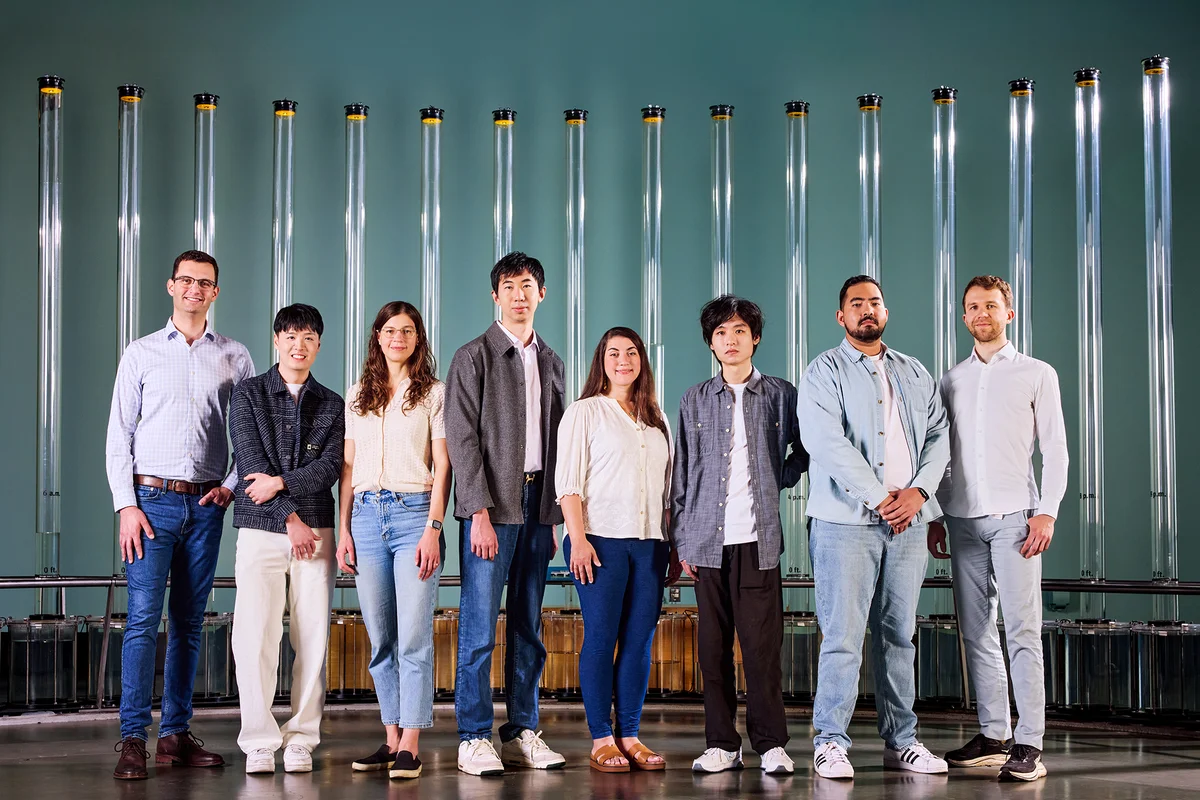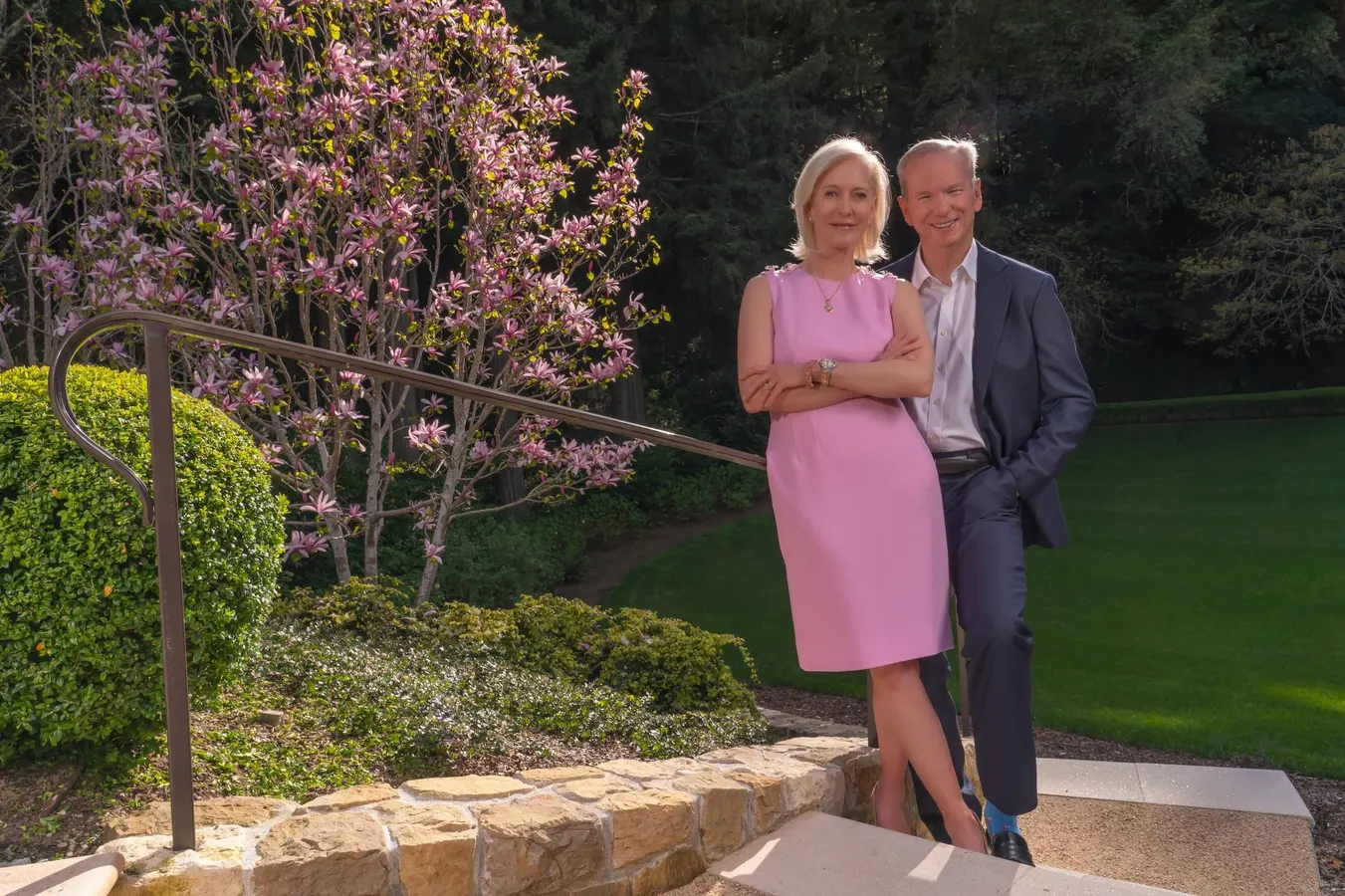
The latest class of Schmidt Science Fellows has been named. The program is supported by Schmidt Sciences, co-founded by former Google CEO and Chairman Eric Schmidt and his wife Wendy, shown here.bengibbsphotography.comThe 2026 cohort of Schmidt Science Fellows has been announced. As in prior years, this year’s class of 32 fellows are all recent PhDs who’ve been identified as some of the most outstanding early-career scientists in the world.The Schmidt Science Fellows program was established in 2018 and is supported by Schmidt Sciences, which was co-founded by former Google CEO and Chairman Eric Schmidt and his wife Wendy, president of the Schmidt Family Foundation.The current class is the ninth cohort in the program, which is delivered in a partnership with the Rhodes Trust. The fellows, who were nominated by 25 institutions across North America, Europe, Asia, and Australia, will join more than 200 previous Schmidt Science Fellows who’ve come from over 70 institutions representing 40 countries across the duration of the program.Considered one of the most prestigious scientific postdoctoral awards in the world, Schmidt Science Fellows are awarded financial support for either one or two years in a field of study that represents a pivot from their PhD concentration. Each year, the Schmidt Science Fellows program works with about 100 of the world’s leading science and engineering institutions to identify the most promising candidates for the fellowships. Nominated candidates are selected through a process that includes an academic review by leaders in their home disciplines and final interviews with panels of experts, including senior representatives from many scientific disciplines and different business sectors.MORE FOR YOUThe program supports research in astronomy, biology, chemistry, physics, earth sciences, engineering, mathematics, and computing, including the various sub-disciplines within those fields. An emphasis is placed on encouraging interdisciplinary research with the potential to address some of the world’s most pressing challenges that don’t fit into just one discipline but instead cross several scientific boundaries."Science without interdisciplinary research is like using only one of your five senses to try and understand the world," said Wendy Schmidt, in a news release. “We welcome the fresh, interdisciplinary perspective that each new cohort of Schmidt Science Fellows brings to the mysteries of our time — how life began on Earth, how we can overcome disease, how our climate is changing, and how we can create a healthy, resilient, and secure world for all.”Fellows are given a stipend of $110,000 a year during their fellowships. In addition to this stipend, fellows receive individualized mentoring and participate in a year-long Science Leadership Program that helps cultivate the skills, experience and networks expected of interdisciplinary science leaders.The full list of the 2026 Schmidt Science Fellows can be found here. Their areas of study span a wide range of topics in fields such as medical imaging, genetics, quantum computing, immunotherapy, sustainable agriculture, and climate and sustainability. As examples:Colton Sheehan, nominated by the University of Pennsylvania, will pivot from electrochemistry to biomedical engineering as he attempts to develop a new technique for monitoring nerve regeneration following trauma.Elena Turkalj, nominated by the University of California at San Francisco, will move her focus from developmental biology to electrochemistry to work on the development of a wearable device that can monitor hormonal fluctuations in real time.Hannah Richards, nominated by Vanderbilt University, will shift her attention from analytical chemistry to marine biology as she develops anti-fungal agents to treat infections that are threatening the survival of leatherback sea turtles.Lauren Fields, nominated by the University of Wisconsin–Madison, will pivot from analytical chemistry to genetics and genomics as she develops techniques that could achieve earlier diagnosis and intervention for amyotrophic lateral sclerosis.Yining Zhu, nominated by Johns Hopkins University, will redirect his emphasis from biomedical engineering to systems biology in order to study how the aging process affects immune responses to mRNA-based cancer vaccines, with the goal of ultimately developing personalized cancer vaccines for older, immunocompromised patients.Yan Hu, nominated by Harvard University, will pivot from computational biology to biomedical sciences, to study how to enhance human genes so they might be able remove cholesterol and other lipids from the plaques that lead to atherosclerosis “Our mission is to change how science is done,” said Dr. Megan Kenna, Schmidt Science Fellows founding executive director, in a statement. “By supporting exceptional researchers to cross disciplines and by working with institutions to create environments where interdisciplinary teams can thrive, we are helping to accelerate discovery. When we remove barriers between fields, we unlock the potential for science to move faster, reach further, and address the world’s most complex challenges with the very best ideas.”
The 2026 Cohort Of Schmidt Science Fellows Is Announced
The 2026 cohort of Schmidt Science Fellows has been selected. The 32 fellows are recent PhDs who’ve been nominated as some of the world's leading early-career scientists.
760 words~3 min read