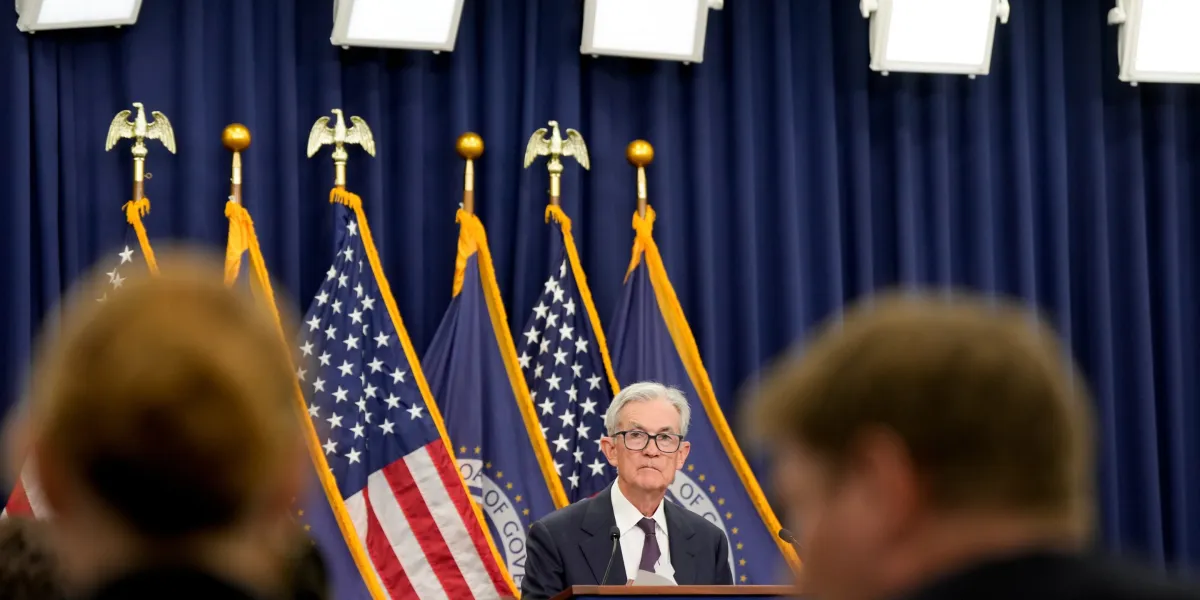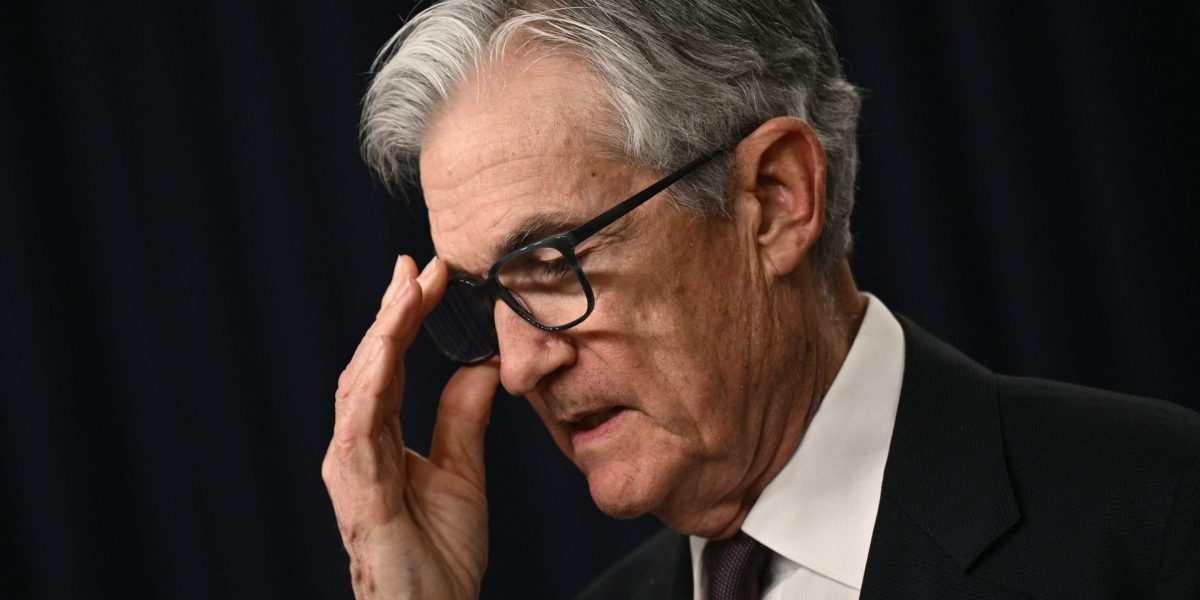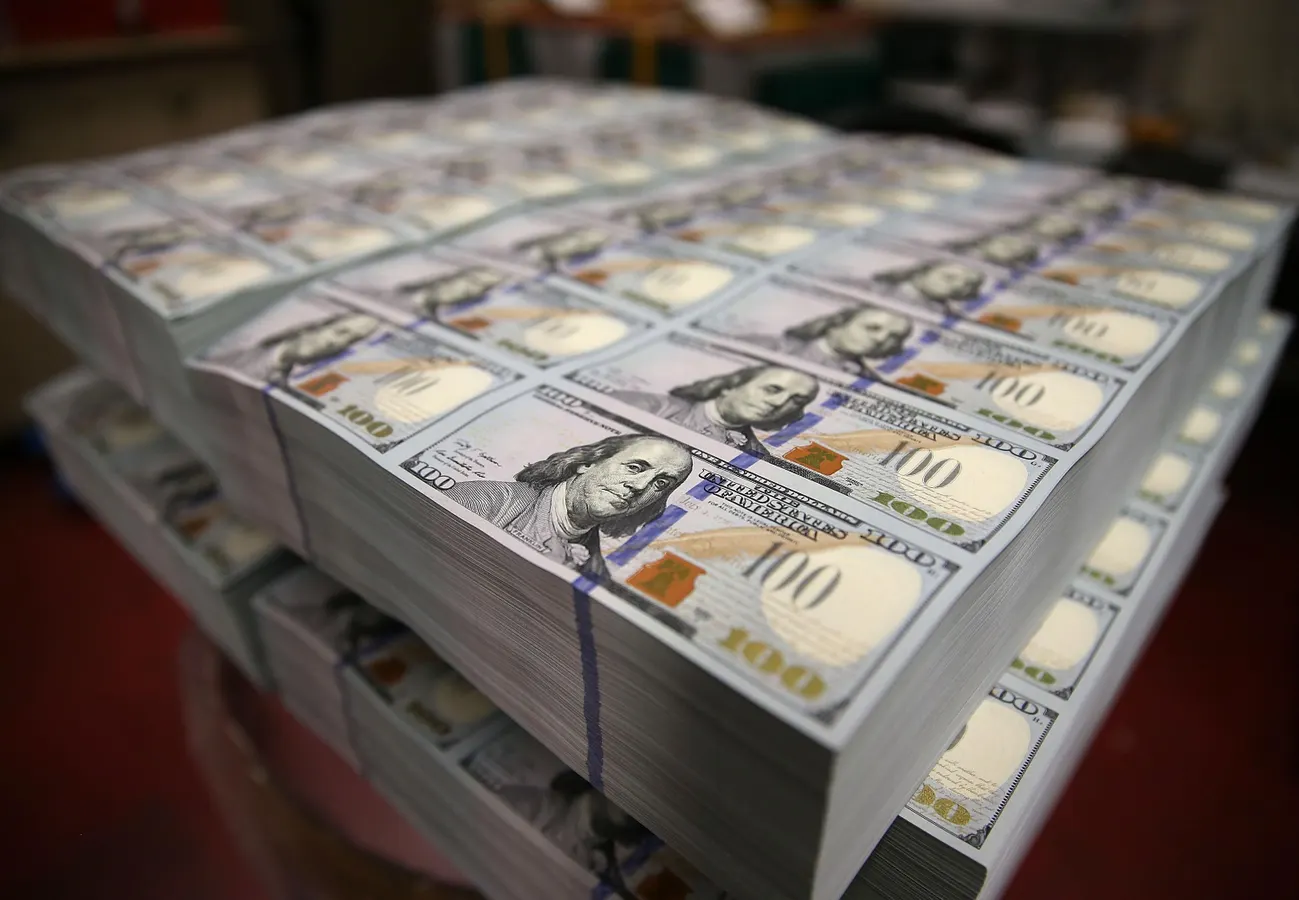
U.S. currency. (Photo by Mark Wilson/Getty Images)Getty ImagesThe Federal Reserve got it wrong again. By refusing to cut rates last week, the Fed showed that it’s still fighting yesterday’s inflation while ignoring today’s economy. The Federal Open Market Committee left its target range unchanged at 3.5% to 3.75%. It also didn’t change the rate it pays on nearly $3 trillion in bank reserves, a disincentive for bank lending. Moreover, the difference between short-term interest rates on Treasury securities and long-term rates is ridiculously narrow. The one-month Treasury bill rate is about 3.7%. Given that the ten-year Treasury bond is yielding around 4.4%, that Treasury bill rate should be little more than 2.5%.The Fed mistakenly believes prosperity causes inflation. By those misguided lights, our central bank should be cutting rates. The labor market is plainly softer: February payrolls fell by 92,000. Fourth-quarter 2025 GDP was just revised down to a weak 0.7% annual rate. Those aren’t numbers that justify monetary paralysis; they’re numbers that argue for relief. Yet Jerome Powell persists in presenting this stance as prudence; it’s the opposite. It’s institutional vanity masquerading as caution. Powell said that the current, do-nothing policy is “appropriate,” and he again leaned on vague uncertainty tied to developments in the Middle East. Central banking is supposed to be about weighing actual monetary conditions, not using every geopolitical tremor as an excuse for inaction. Monetary policy can’t prevent wars, but it can certainly make an already slowing economy weaker by keeping the price of credit too high for too long. Worse, Powell’s comments about remaining in office as “chair pro tem” if no successor is confirmed were the most revealing part of the statement he made last week to justify inaction. By saying he would stay on beyond the end of his current term if necessary, Powell projected exactly the wrong message: that the office belongs to him until the political system catches up. It does not. The Federal Reserve chairmanship isn’t a hereditary title, or a lifetime appointment, and it’s certainly not a perch from which one signals permanence during a period of policy failure. Powell wants to remain as Fed leader until a successor is confirmed. This is politically tone-deaf and economically reckless. And it’s not legal. His term expires May 15. If no successor has been confirmed by then, Powell doesn’t get to hang on. The president can name an interim successor from one of the existing Federal Reserve governors. Powell should abandon such theatrics.The real issue isn’t just Powell’s misguided ego, it’s substance. High rates are not costless. They punish homebuyers, freeze housing activity, discourage business expansion and increase the financing burden across the economy. The Fed has an institutional bias against vigorous economic growth. But even by its perverted lights, those numbers don’t convey a booming economy screaming for restraint. That’s a country telling the Fed—in plain English—that the price of borrowing money is too high. The belief that prosperity causes inflation is the chronic disease of central banking. Monetary inflation comes not from people doing well, but from reducing the value of a currency, usually by creating too much of it.Fortunately, Kevin Warsh, President Trump’s nominee to succeed the hapless Powell, understands that the Fed’s operating principals these days are fundamentally wrong. He will institute basic reforms that recognize that the key goal of our central bank is maintaining a stable dollar, not trying to manipulate the economy itself. Contrary to Powell’s behavior, the Fed needs humility, not self-importance; discipline, not drift; and, above all, sound, informed leadership.
Jerome Powell’s Shocking Statement Isn't Just Reckless—It's Not Legal
Thanks to Jerome Powell, the Federal Reserve continues to be a serious liability for the economy.
589 words~3 min read