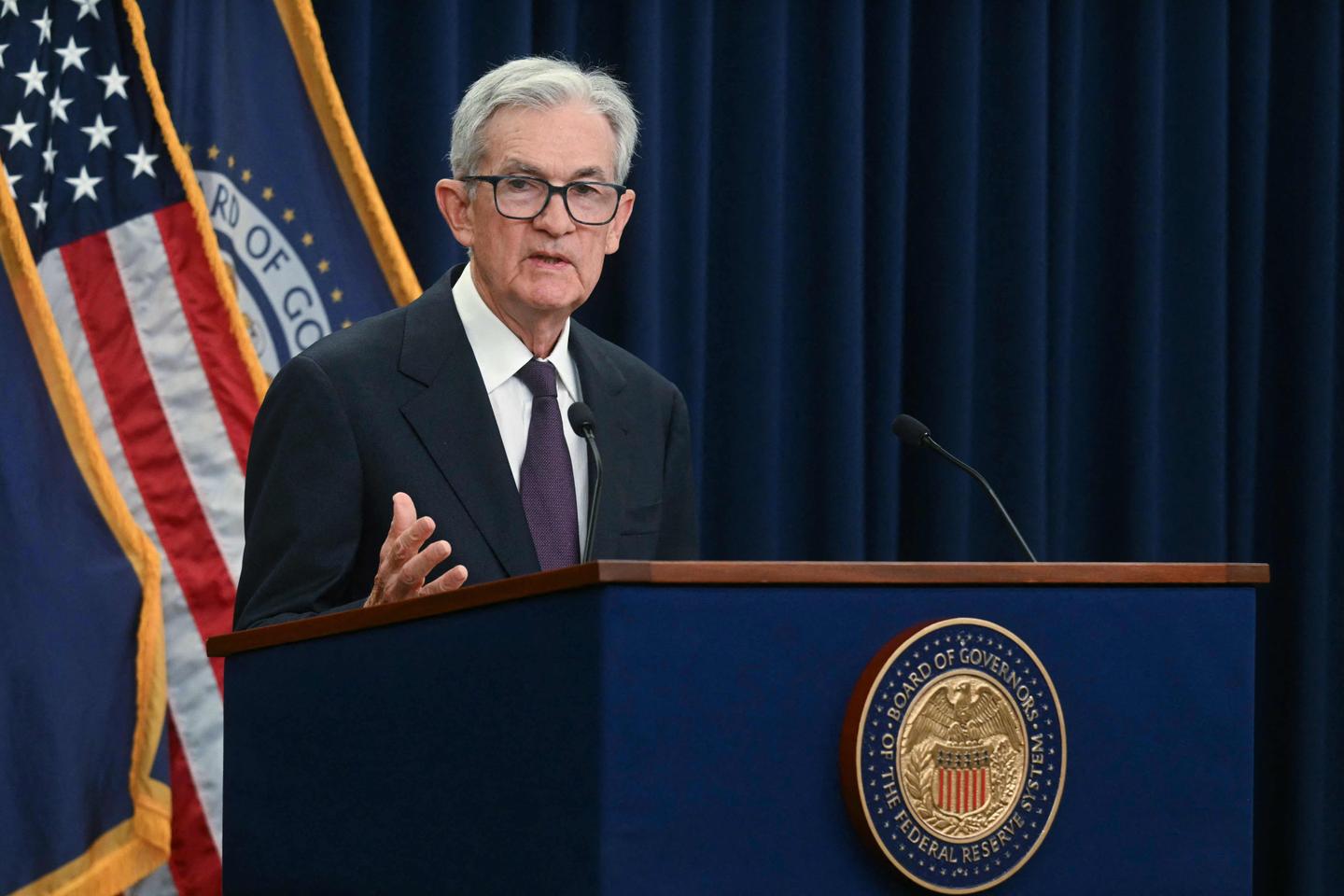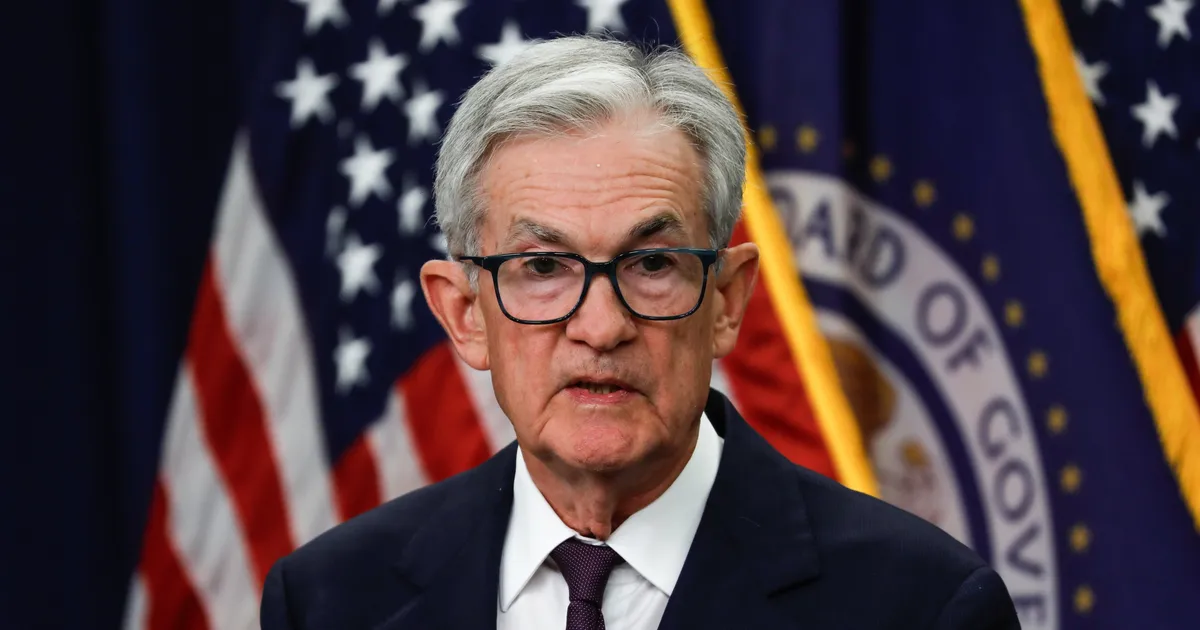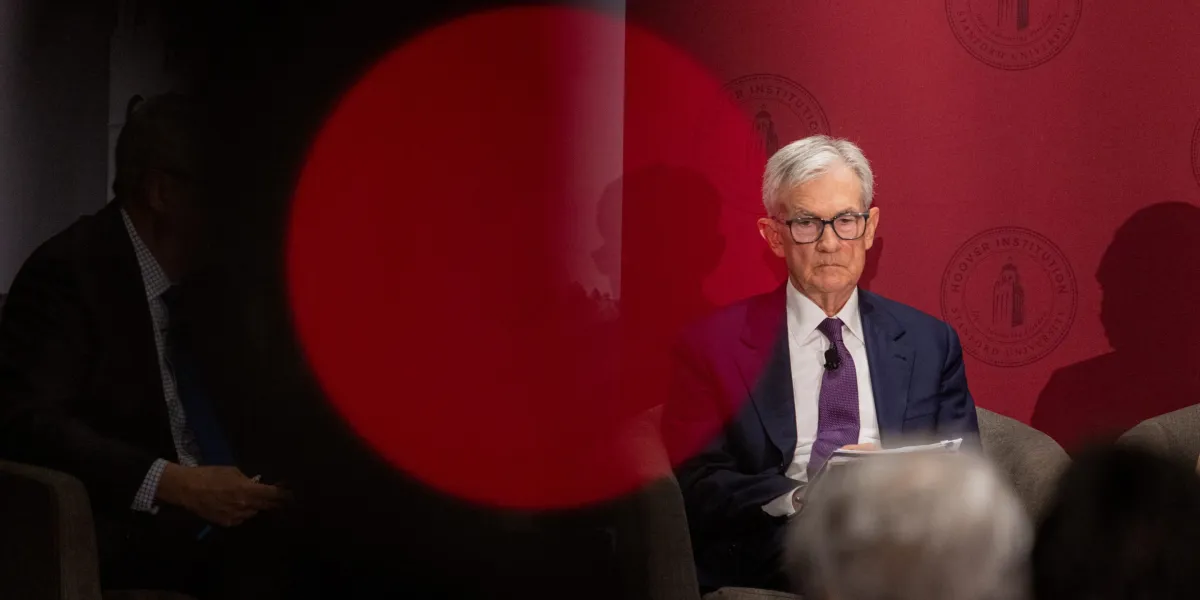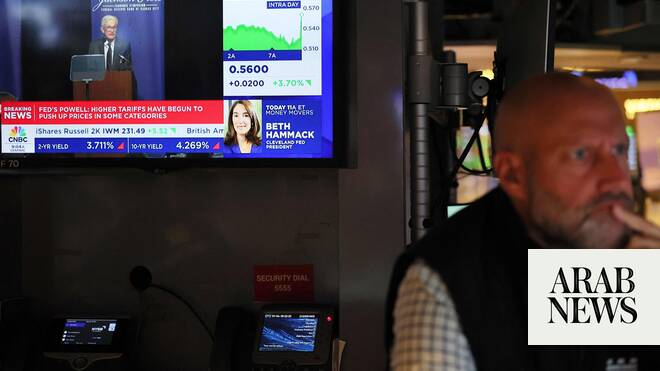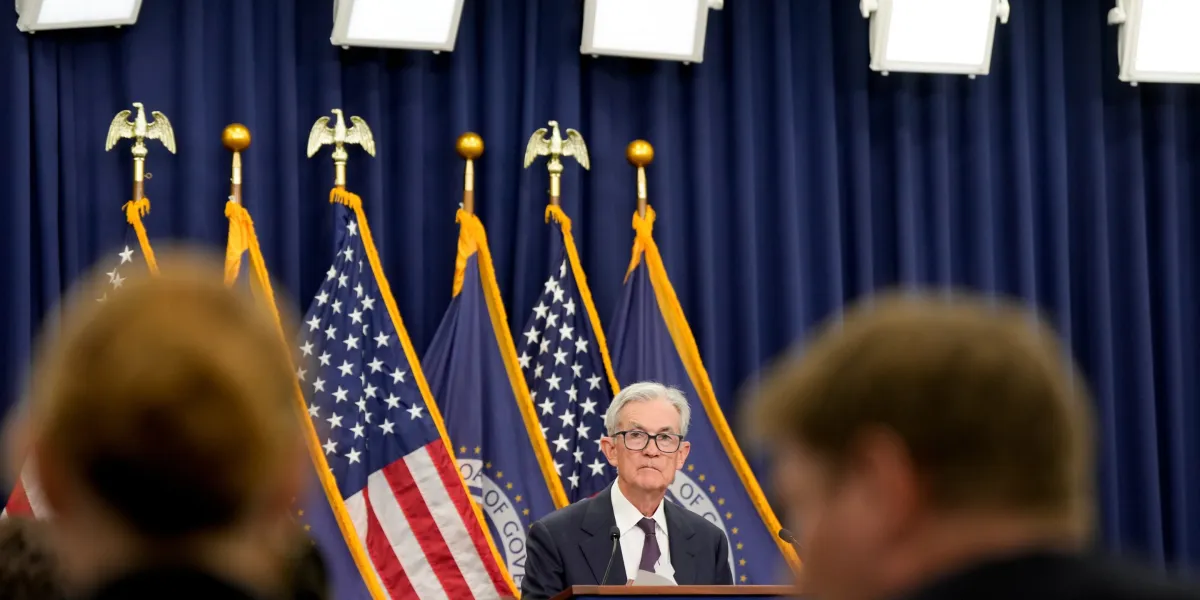
Wall Street at last got its long-awaited cut to the base rate yesterday with Fed chairman Jerome Powell confirming interest would reduce by 25bps. So this morning markets are celebrating, right?
Wrong.
The context of Powell’s cut didn’t come with the footnotes analysts would like to see. Ideally the Federal Open Market Committee (FOMC) cuts because they are on track to bring inflation back to its target of 2%, or because the economy is healthy enough that it can withstand increased activity—a signal of greater prosperity to come.
What spectators don’t want to see is a cut prompted by concern over the Fed’s mandate: Stable prices and maximum employment. Powell described the FOMC’s decision as the latter, a “risk management” cut motivated by apprehension as opposed to confidence.
Neither side of the Fed’s mandate appears to be in perfect health. As Chair Powell outlined in his conference, on the labor side: “Overall, the marked slowing in both the supply of and demand for workers is unusual. In this less dynamic and somewhat softer labor market, the downside risks to employment appear to have risen.”