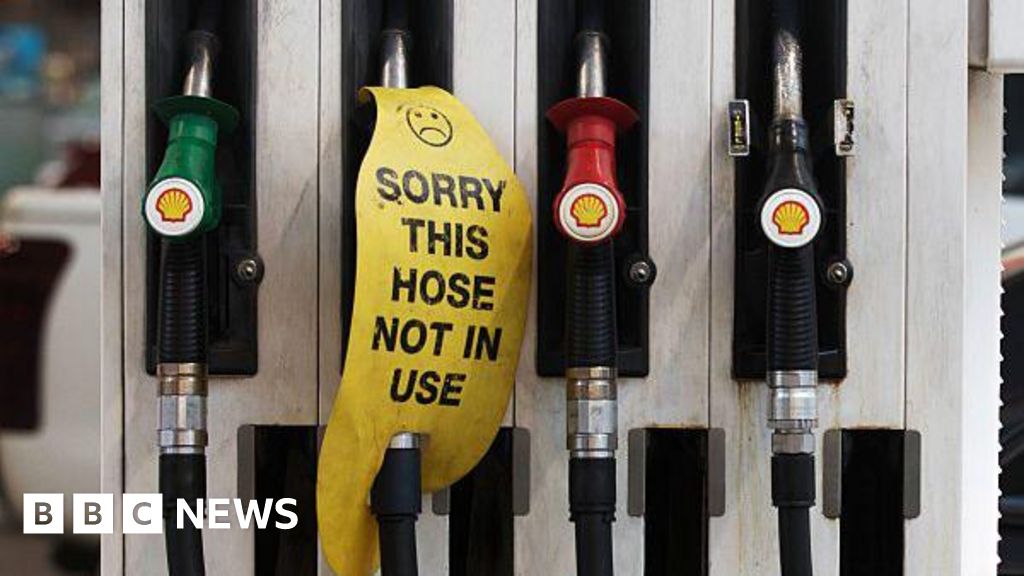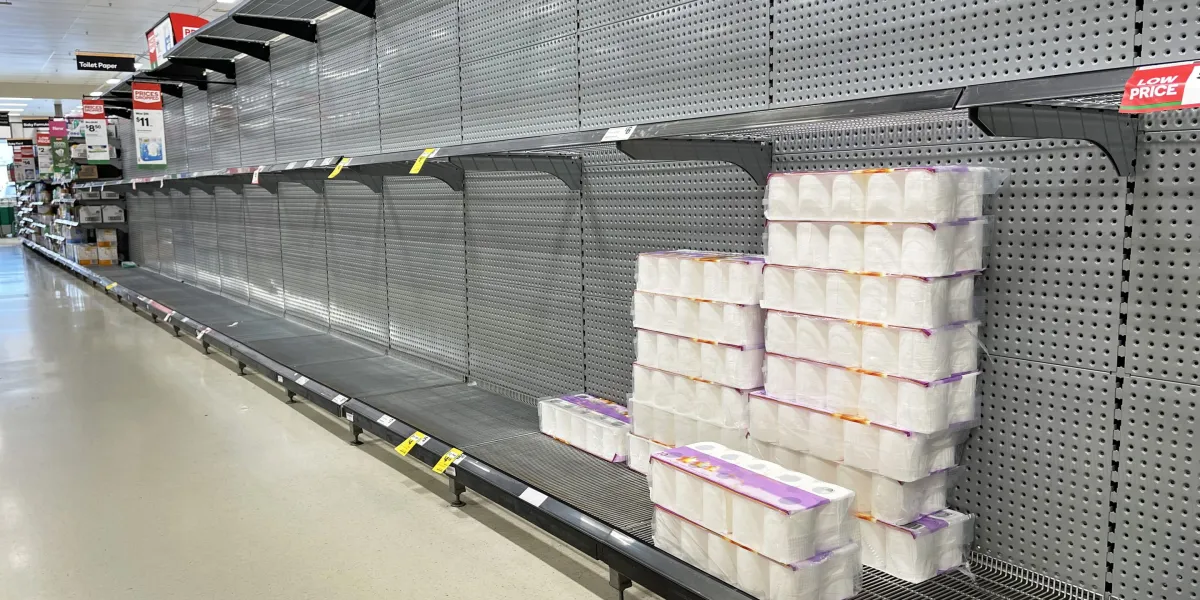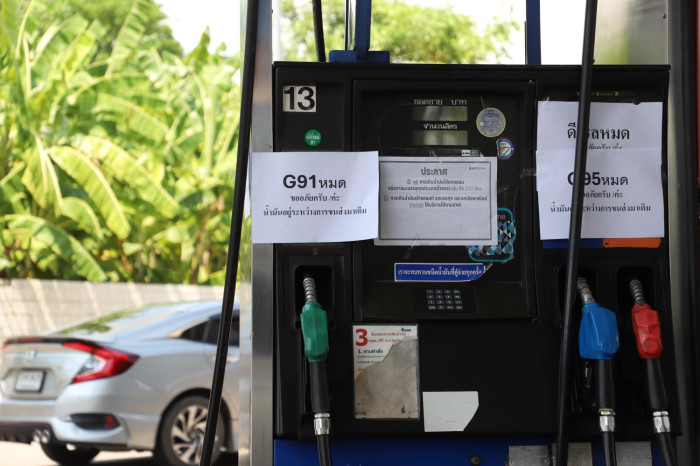
As service stations run out of fuel, can learn a lot from the way we mishandled the Covid-19 toilet paper crisis
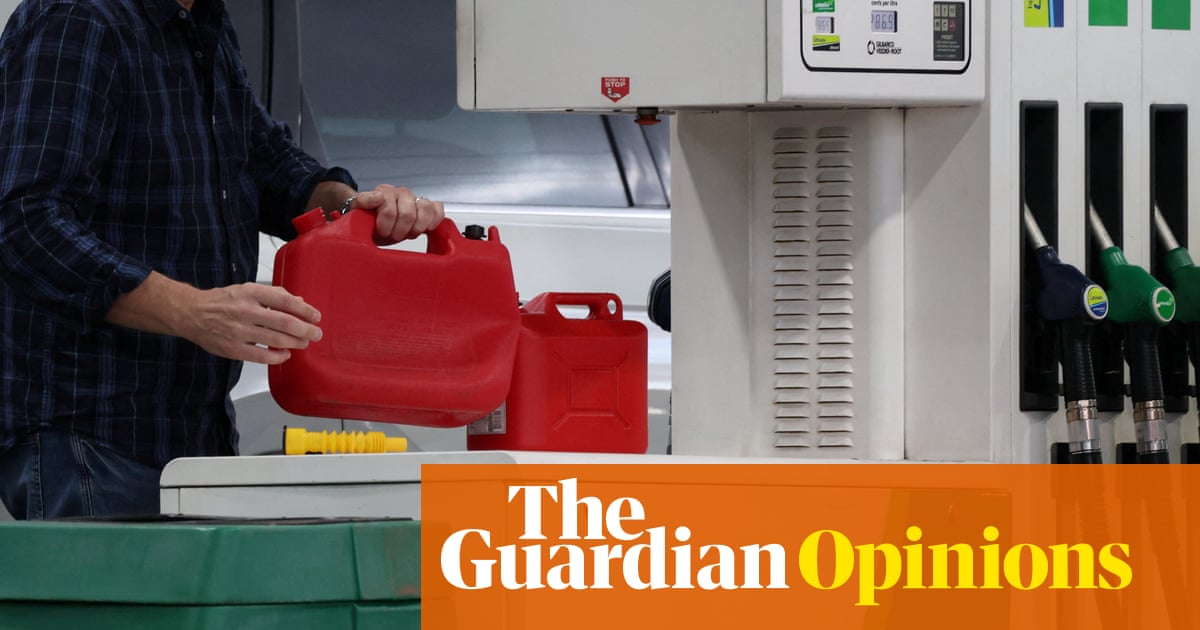
As Australians stock up on jerry cans amid fears of oil shortages due to war in the Middle East and politicians label such behaviour as “un-Australian”, a familiar blame game is taking place.
But pointing the finger at “panic buyers” misses the point, obscures the real problems and can make matters worse. We can learn a lot from the way we handled – and mishandled – the Covid-19 toilet paper crisis.
During the Covid lockdowns in Australia, toilet paper was suddenly in short supply, prompting genuine anxiety and a wave of lighthearted memes – along with similar messages berating “panic buyers” for their behaviour. We analysed how “panic buying” was portrayed in the media and by politicians, revealing how this coverage can fuel anxiety, drive bulk buying and stigmatise already vulnerable groups.
Blaming “panic buyers” tends to obscure what’s really going on. During the lockdowns, bulk buying was framed as irrational, antisocial and immoral. Individual shoppers were blamed for creating disorder and chaos through panicked, frenetic behaviour. They were described in ways usually reserved for animals: moving in collective nouns such as “packs”, “herds” and “hordes” while engaging in such behaviours as “flocking”, “stripping” and “swooping”. We are already seeing headlines calling stockpiling petrol a “dog act”.