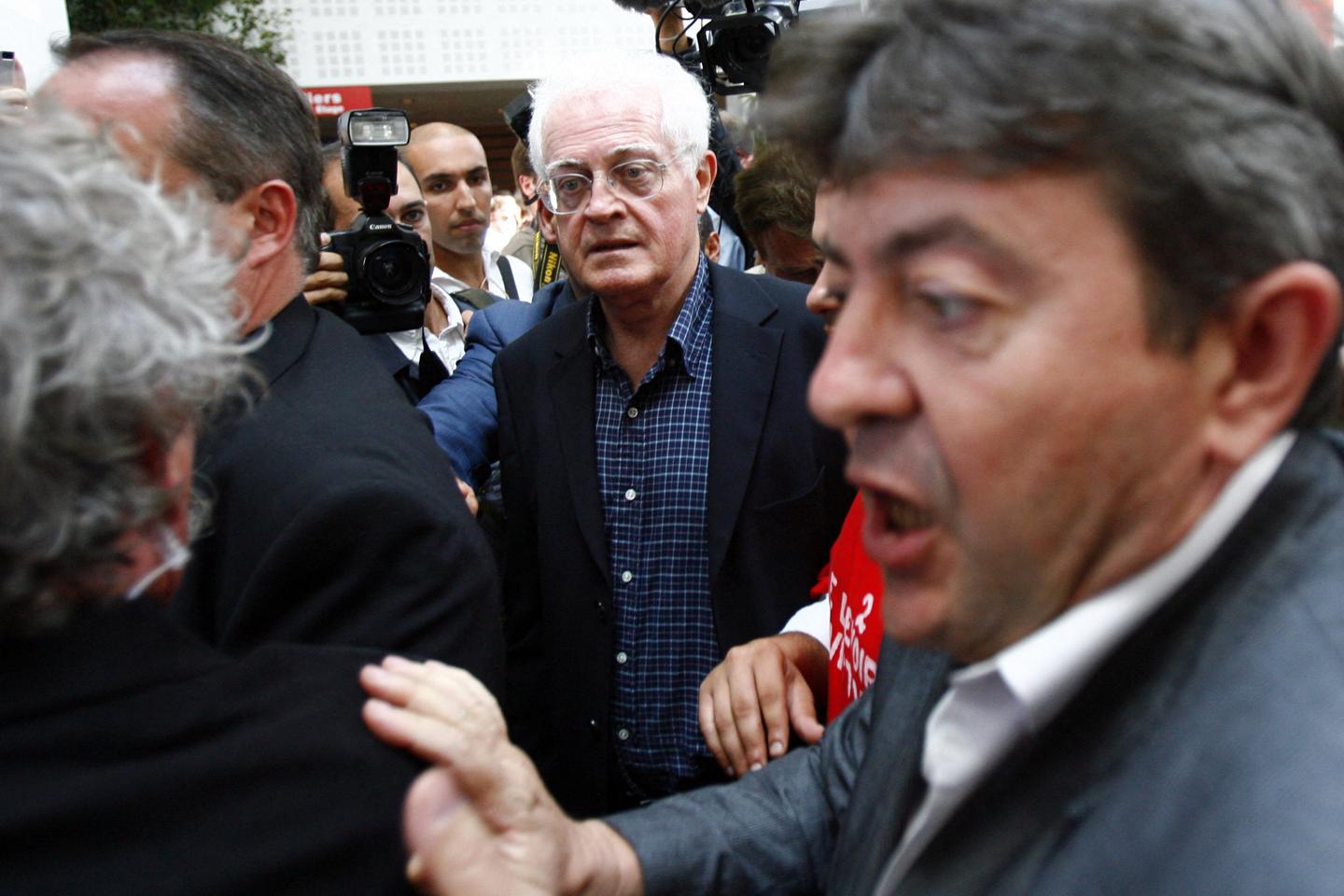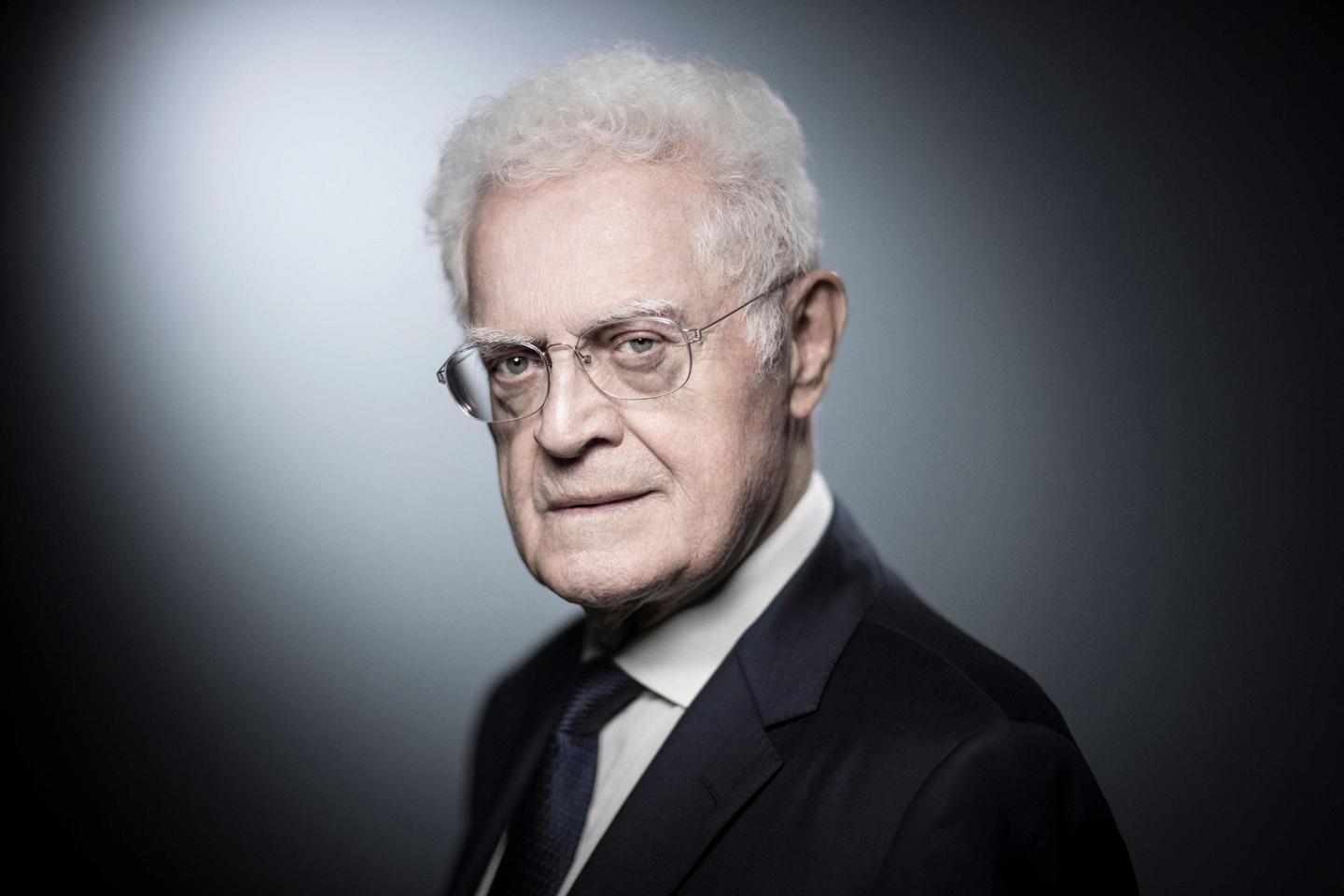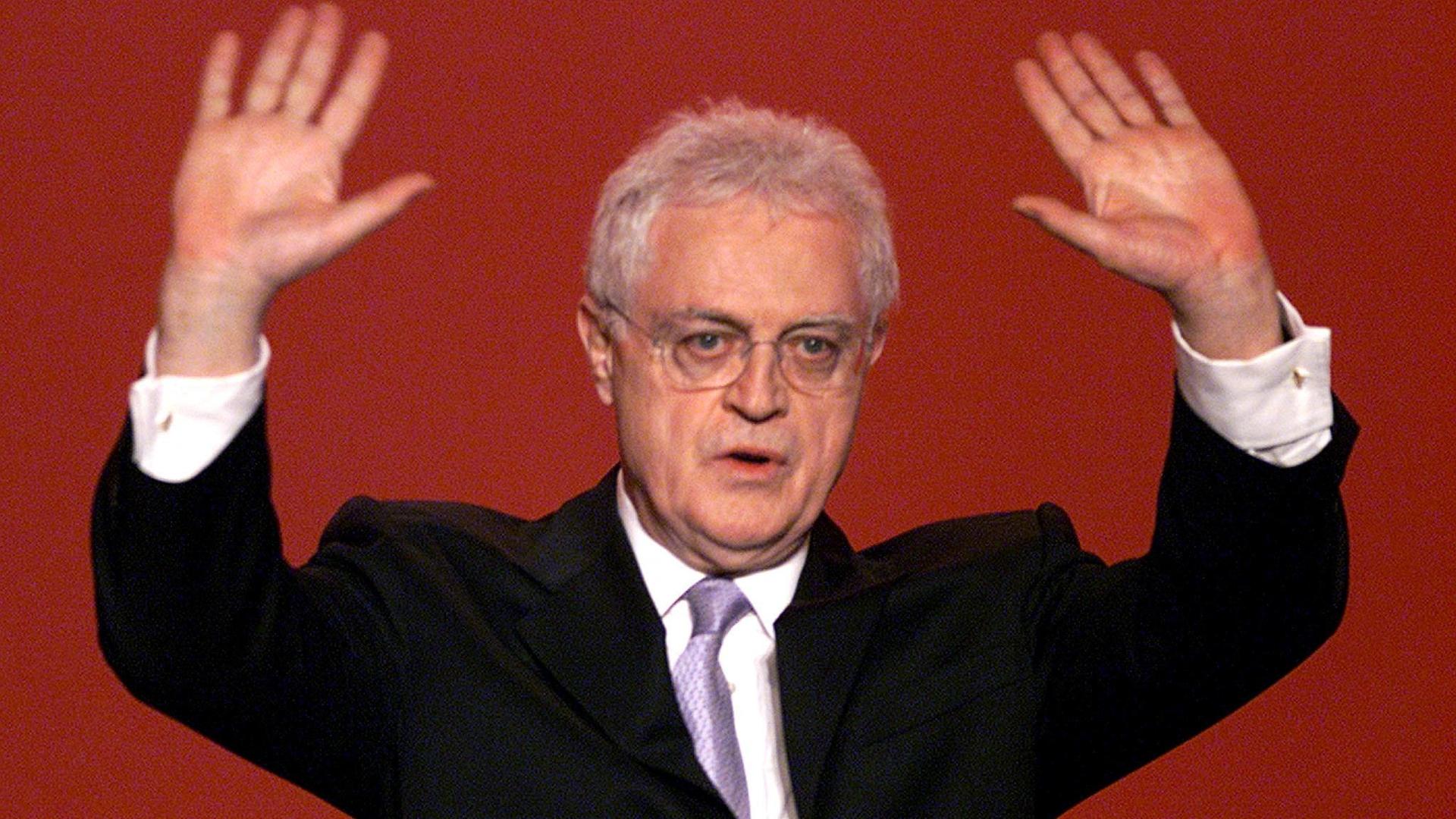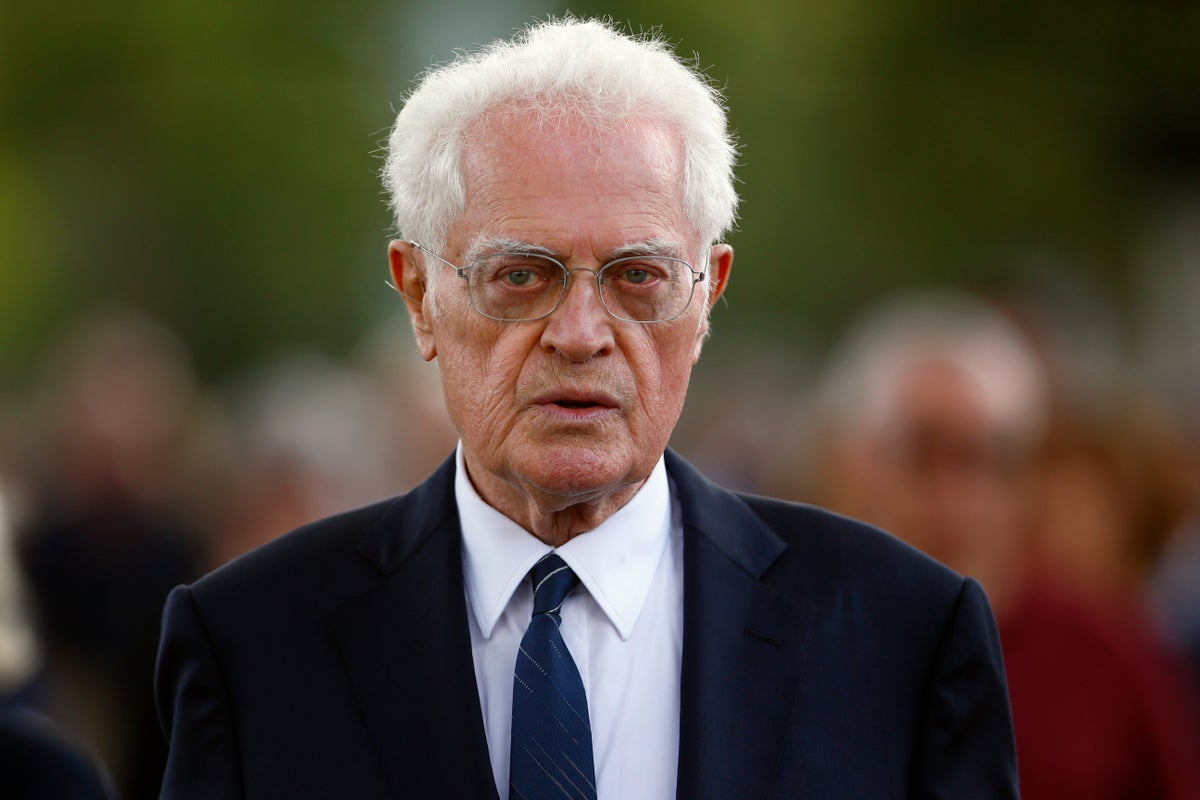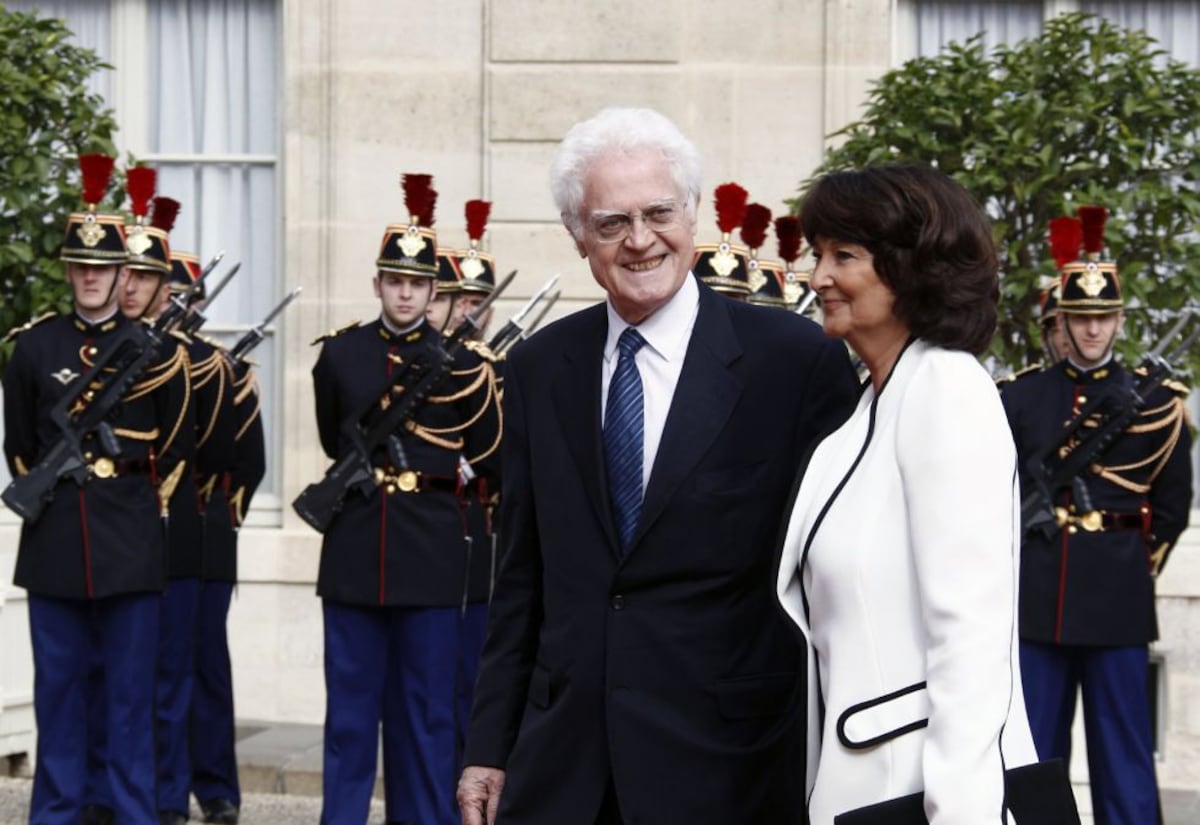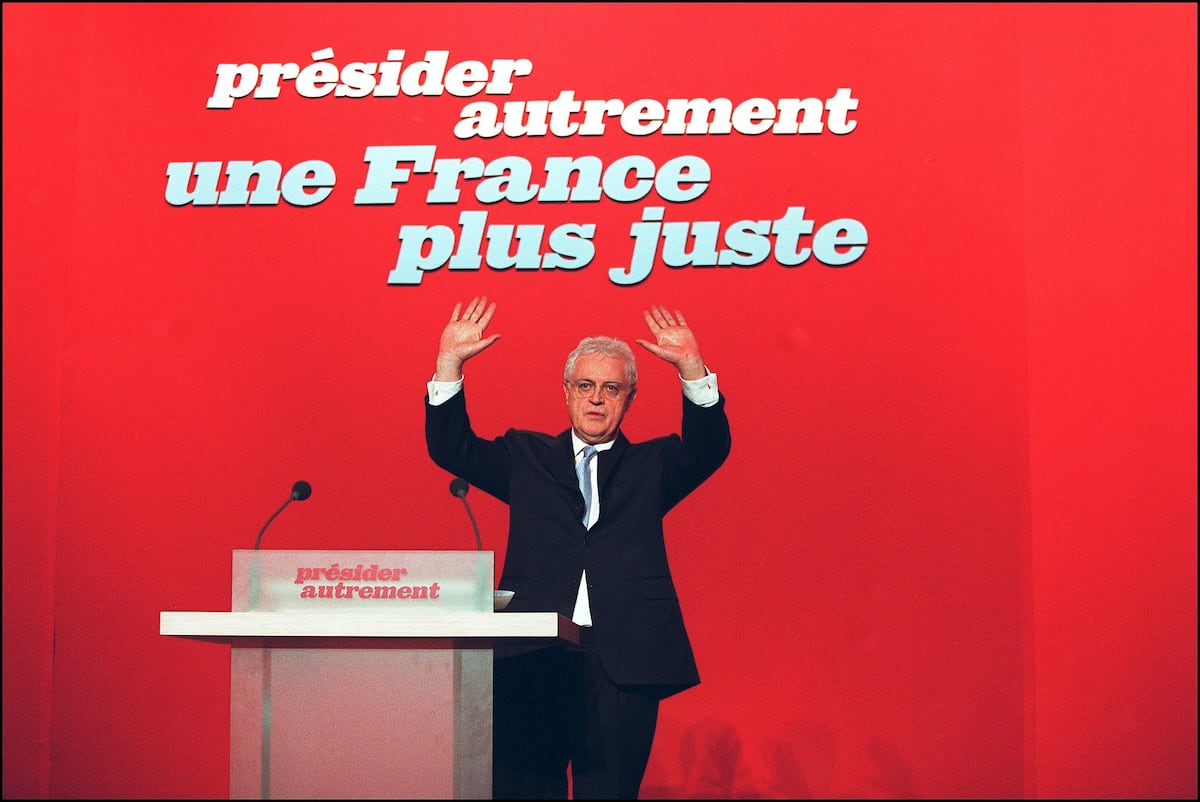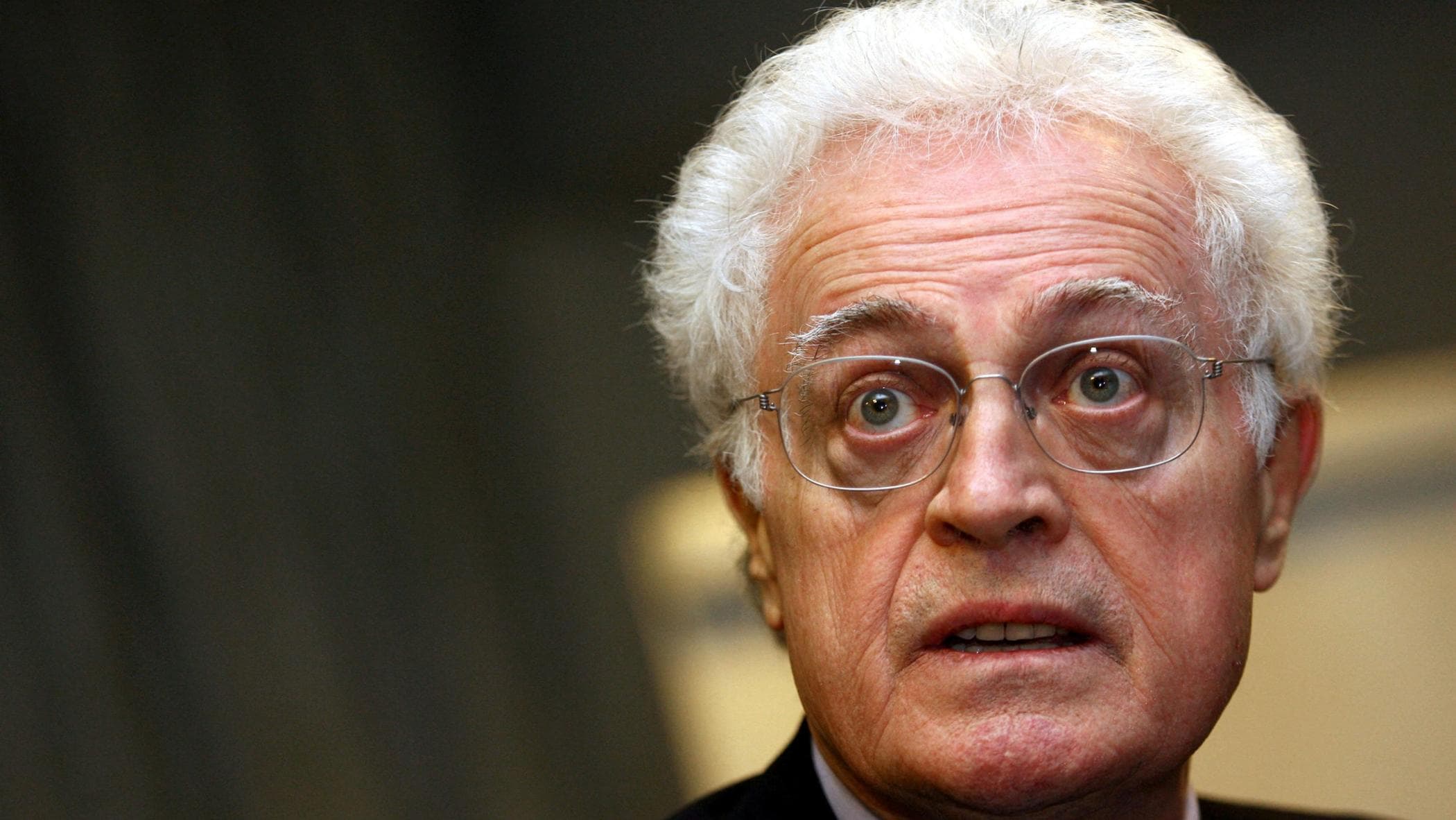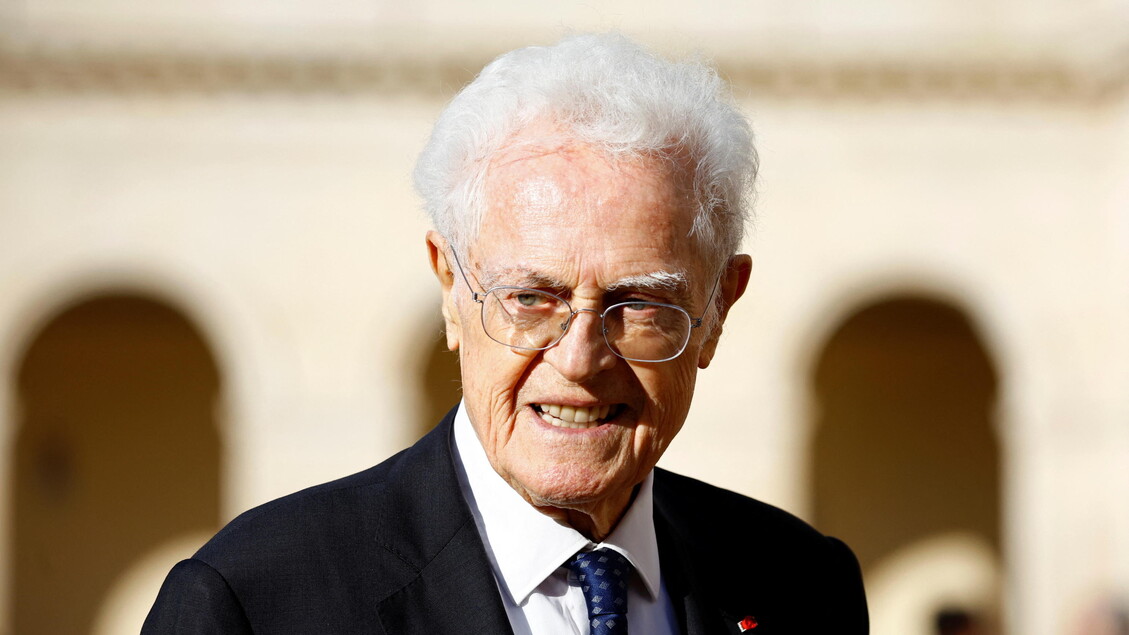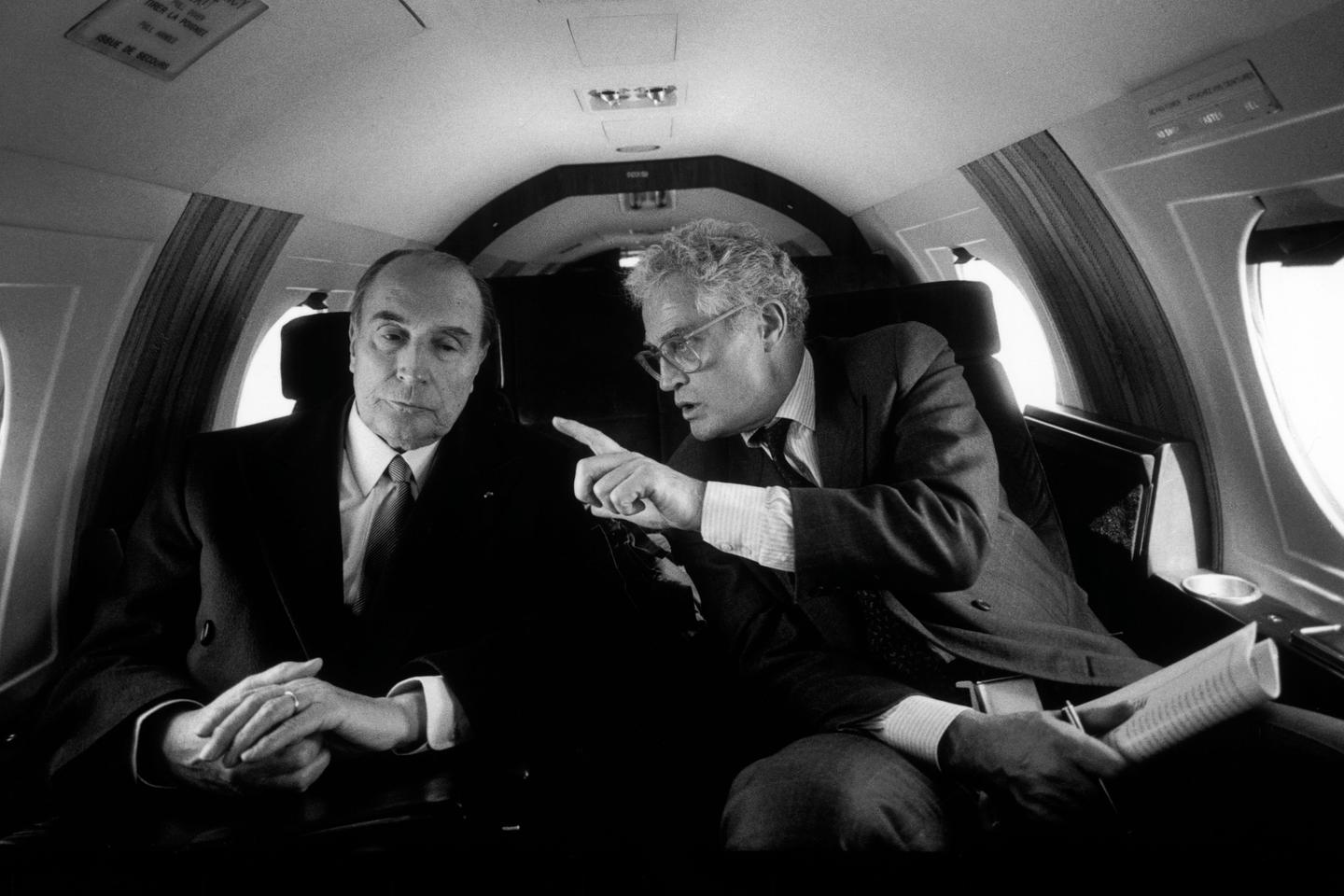
Lionel Jospin, in Paris, February 5, 2010. BRUNO LEVY FOR LE MONDE
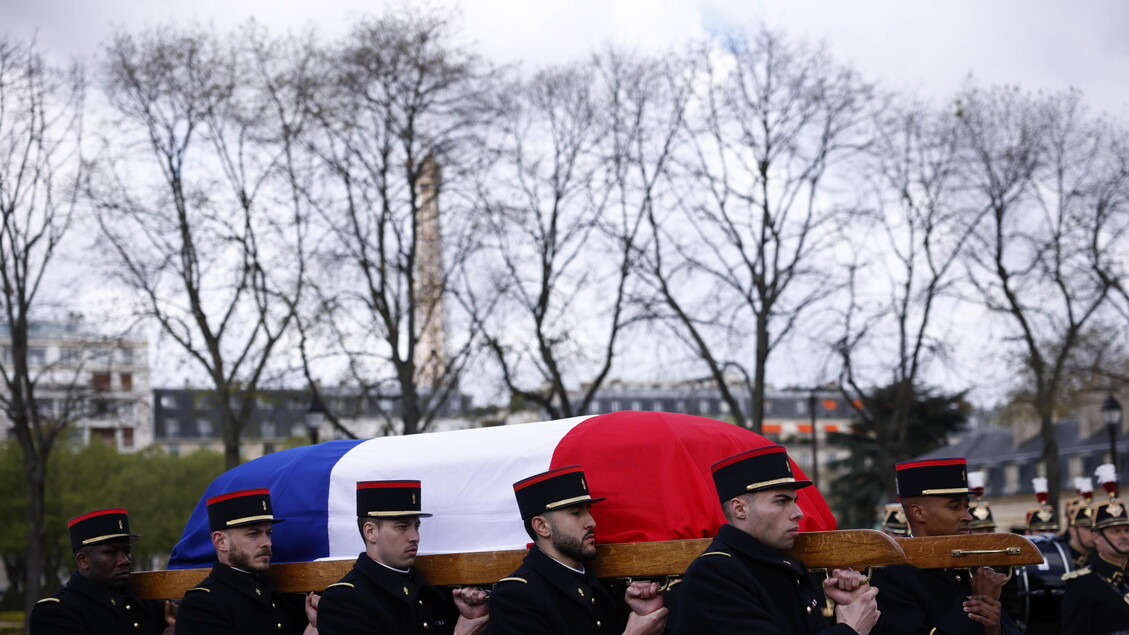
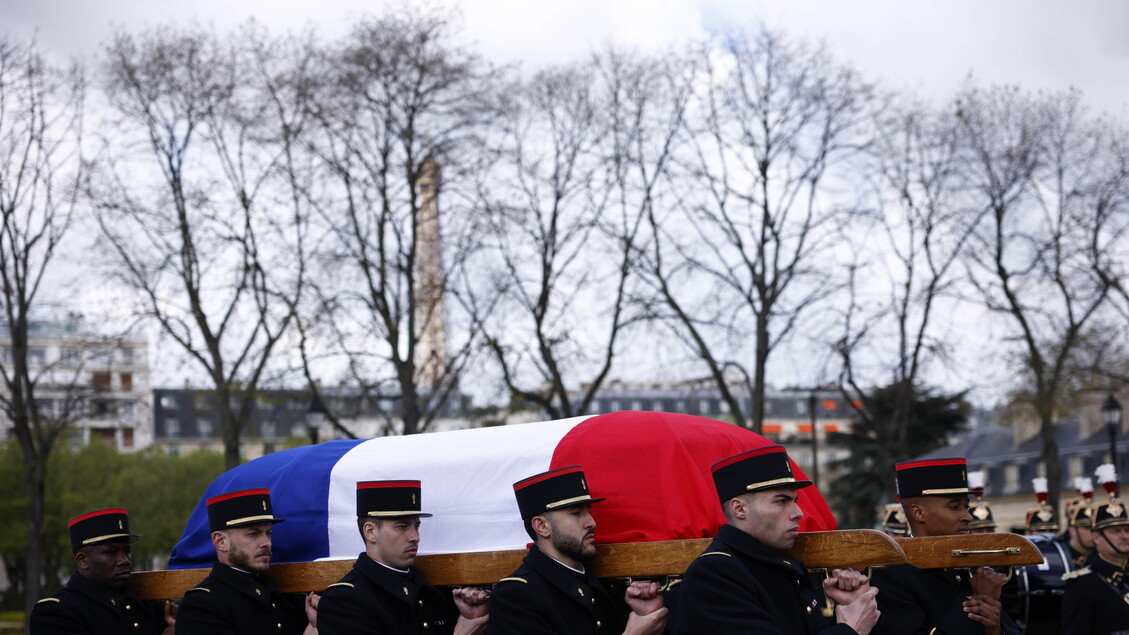
On July 17, 2019, France's Socialist Party (PS), still reeling from its electoral defeats, brought together its "great figures" in the Sénat. Almost all were present: Martine Aubry, François Hollande, Bernard Cazeneuve, Jean-Marc Ayrault, Jean-Christophe Cambadélis. Discreetly, Lionel Jospin joined the party heavyweights, known as the "elephants," for the first time since leaving the Constitutional Council in March of that year. "We're going to have to think long" about what's next for the left, he said with a smile. The former prime minister, who witnessed all the highs and lows of the French left over the past half-century, including his own dramatic defeat in the first round of the 2002 presidential election, died on Sunday, March 22, at the age of 88, his family told Agence France-Presse on Monday.
Lionel Jospin was born on July 12, 1937, into a Protestant family in the Paris suburb of Meudon. During childbirth, his mother, Mireille Dandieu, a midwife, propped up the bed using books by Voltaire. She was the second wife of his father, Robert Jospin, with whom she had four children. A staunch pacifist, member of the SFIO (France's socialist party of the time), Freemason and later director of a national education center for troubled youth, Robert Jospin was appointed town councilor in Meudon in April 1944 by the Vichy regime, which led to his expulsion from the SFIO in 1945. He had to wait a decade before being reinstated. The young Lionel had a strained relationship with his father, which warmed only slightly before Robert's death in 1991. The Sunday lunches at their home in Champigny, in the Paris region, were stormy.