Former mill towns in the West Pennine Moors tell the story of the workers’ rebellion against power looms, the new machines decimating their livelihoods
T
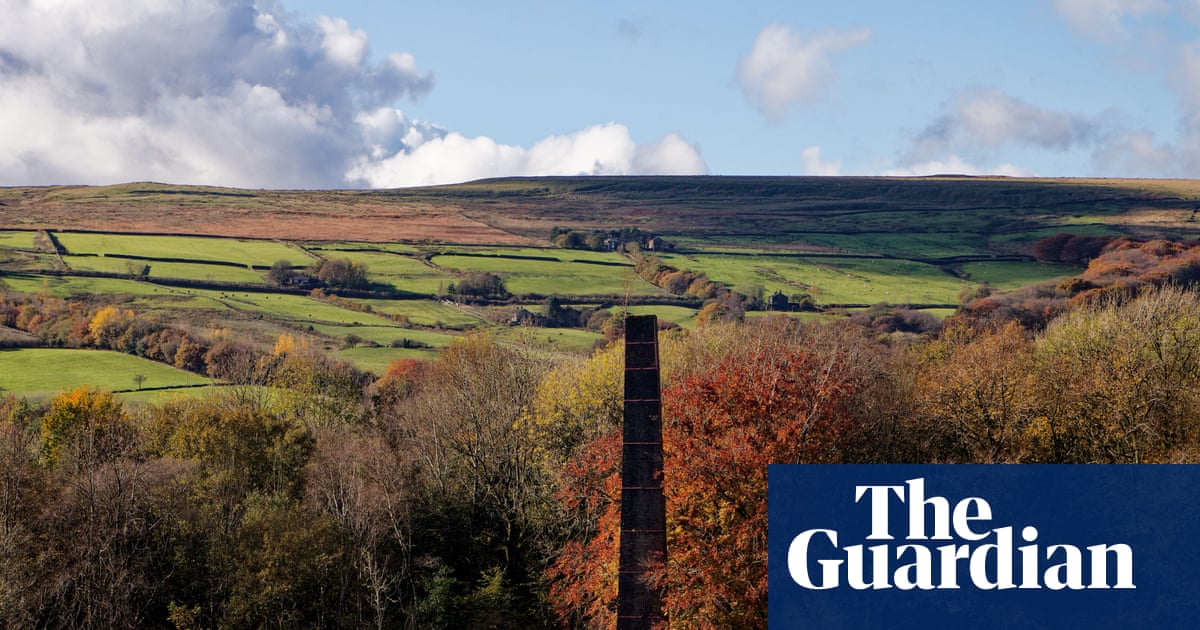
here’s a massive hole in the ground at the top of Whinney Hill – a shale quarry that once supplied raw materials for Accrington’s famous Nori brickworks (as used in the Empire State Building and Blackpool Tower). It’s fitting, as there’s a chasm-wide gap in history when it comes to this unprepossessing spot on the edge of the West Pennine Moors.
On the morning of 24 April 1826, about 1,000 weavers met on the hilltop to plan their day and, no doubt, get the lie of the land and the weather before setting off. A banking crisis in December of the previous year – dubbed the Panic of 1825 by historians – had hammered the cotton industry. Lancashire’s weavers, who had already suffered years of declining wages and living standards, faced destitution and even starvation.
Desperate, they decided to carry out large-scale breakages of power looms to send a symbolic message to their employers and the government. On that fateful April day, the first of four days of action, they would split into groups to walk many miles to Clitheroe, Oswaldtwistle and Blackburn – mill towns where they were met by soldiers, cavalry and yeomanry with guns and swords. By the end of their protest marches, at least six people had lost their lives.