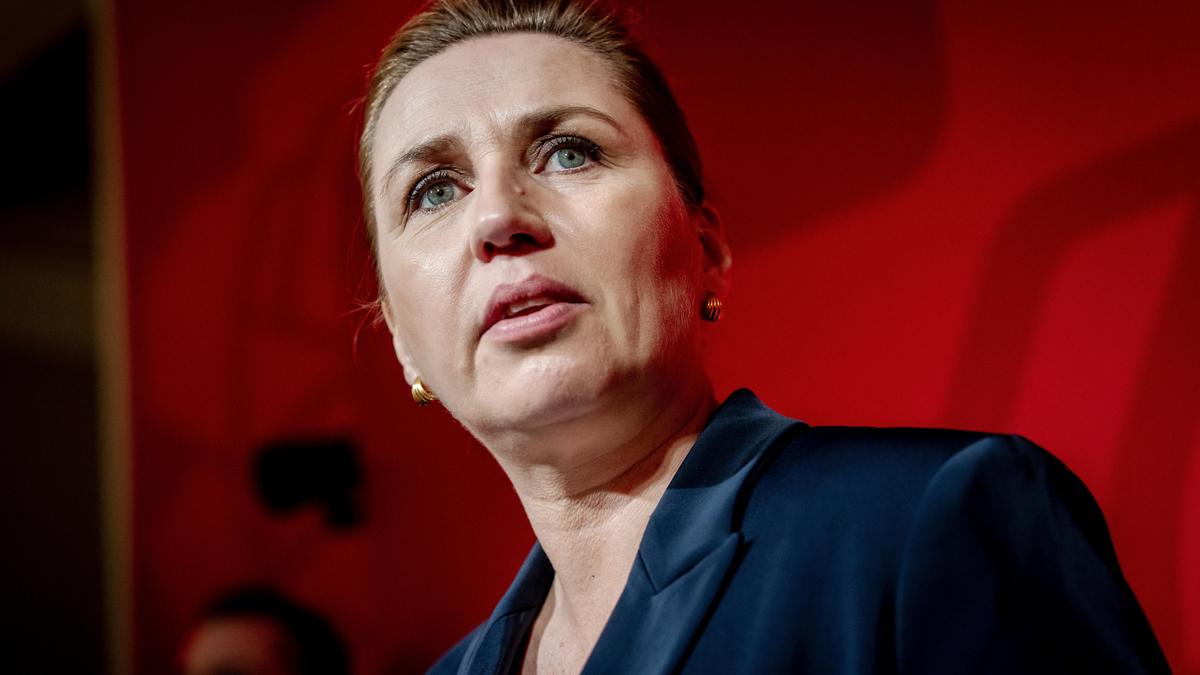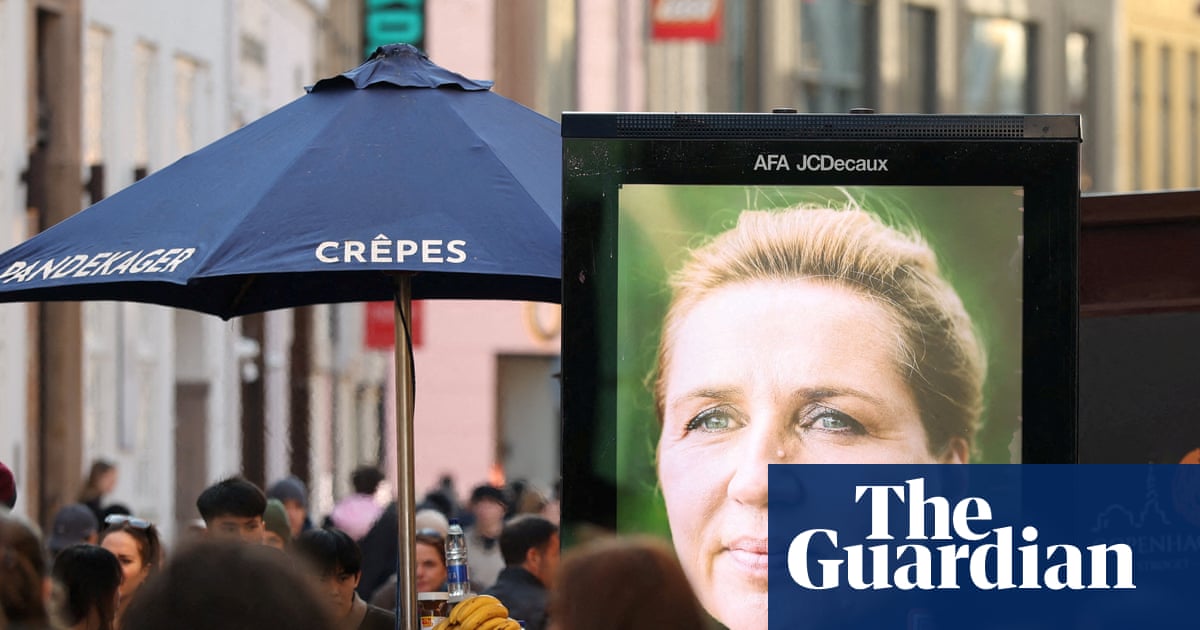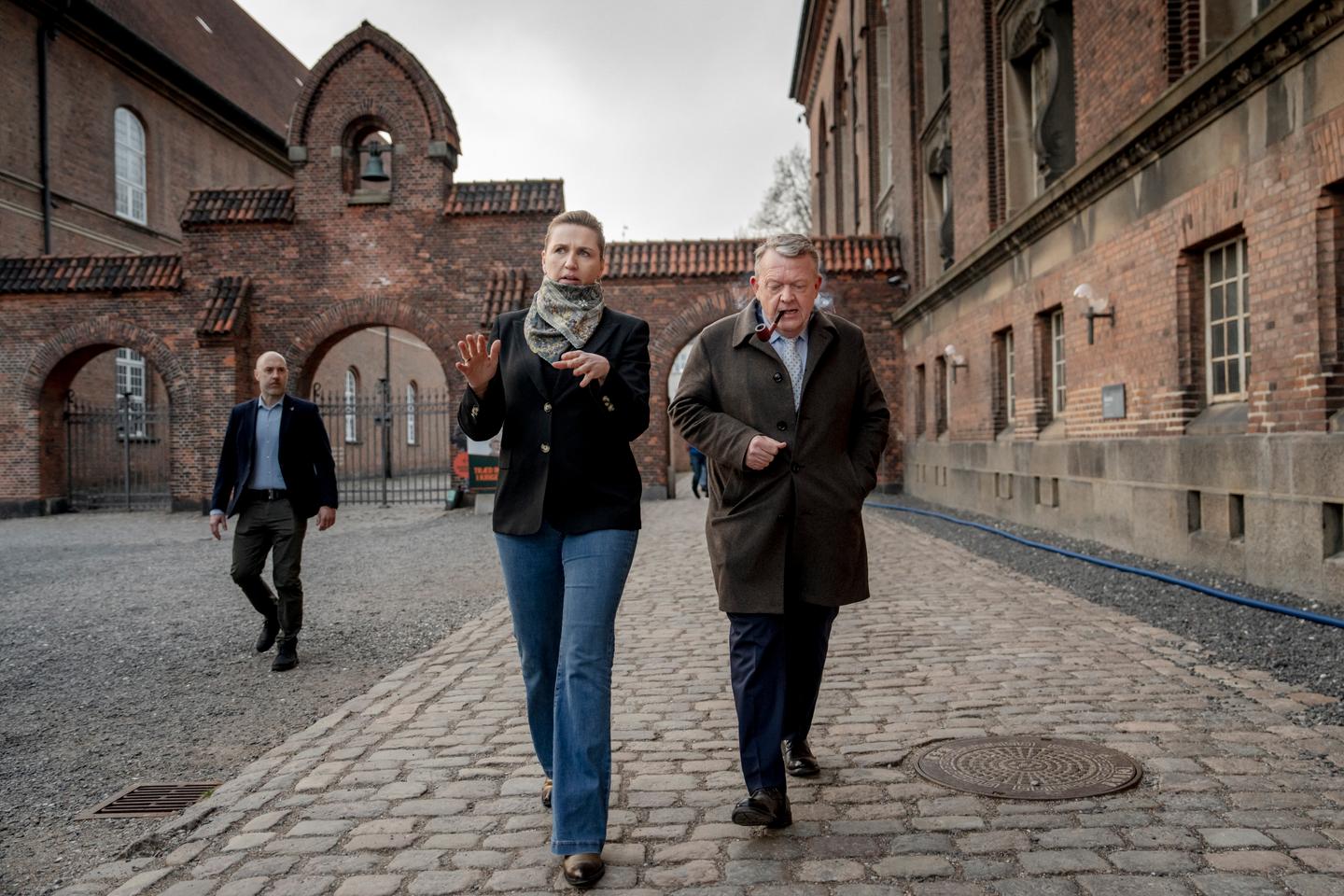
Mette Frederiksen, Danish prime minister, and Lars Løkke Rasmussen, foreign affairs minister, in Copenhagen, March 20, 2026. MADS CLAUS RASMUSSEN/RITZAU SCANPIX VIA AFP
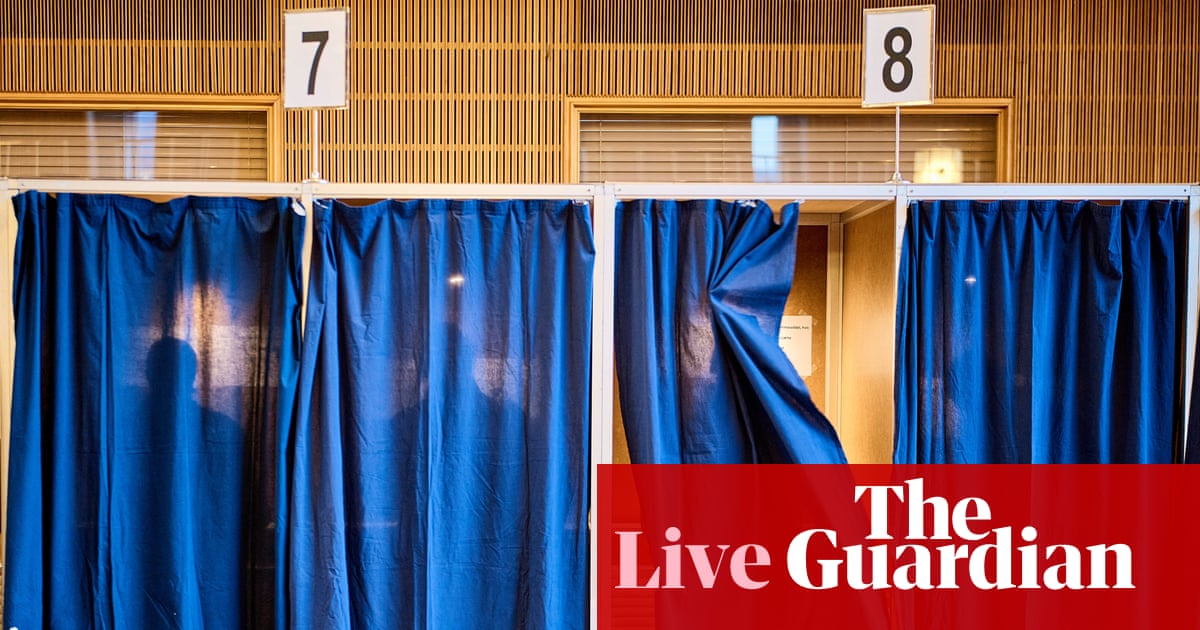
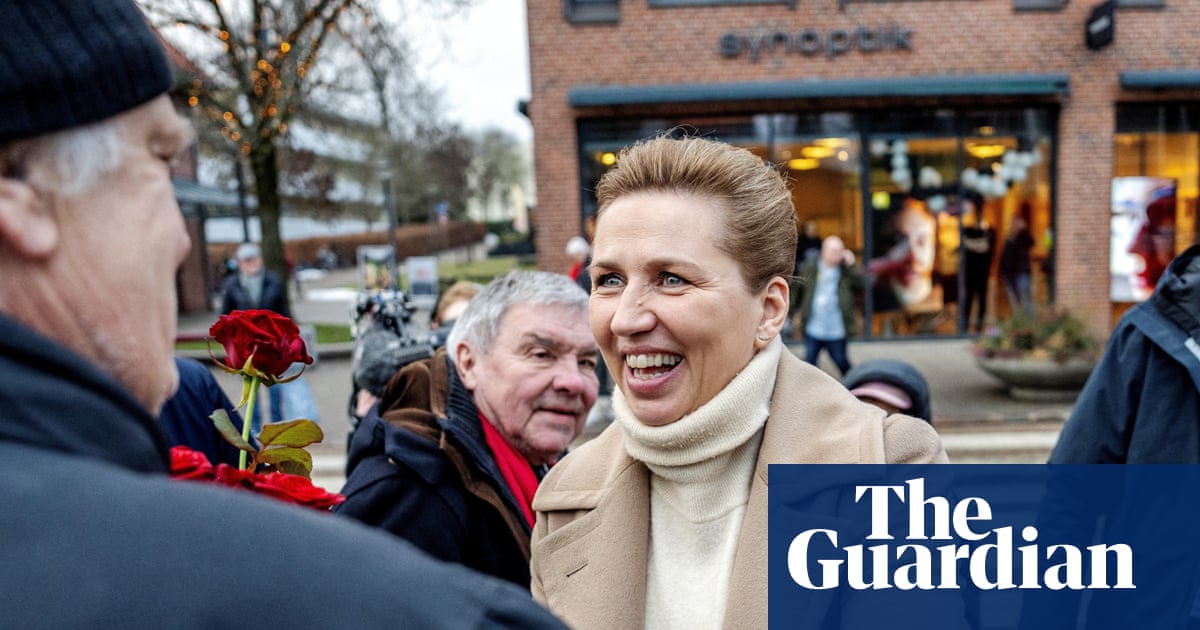
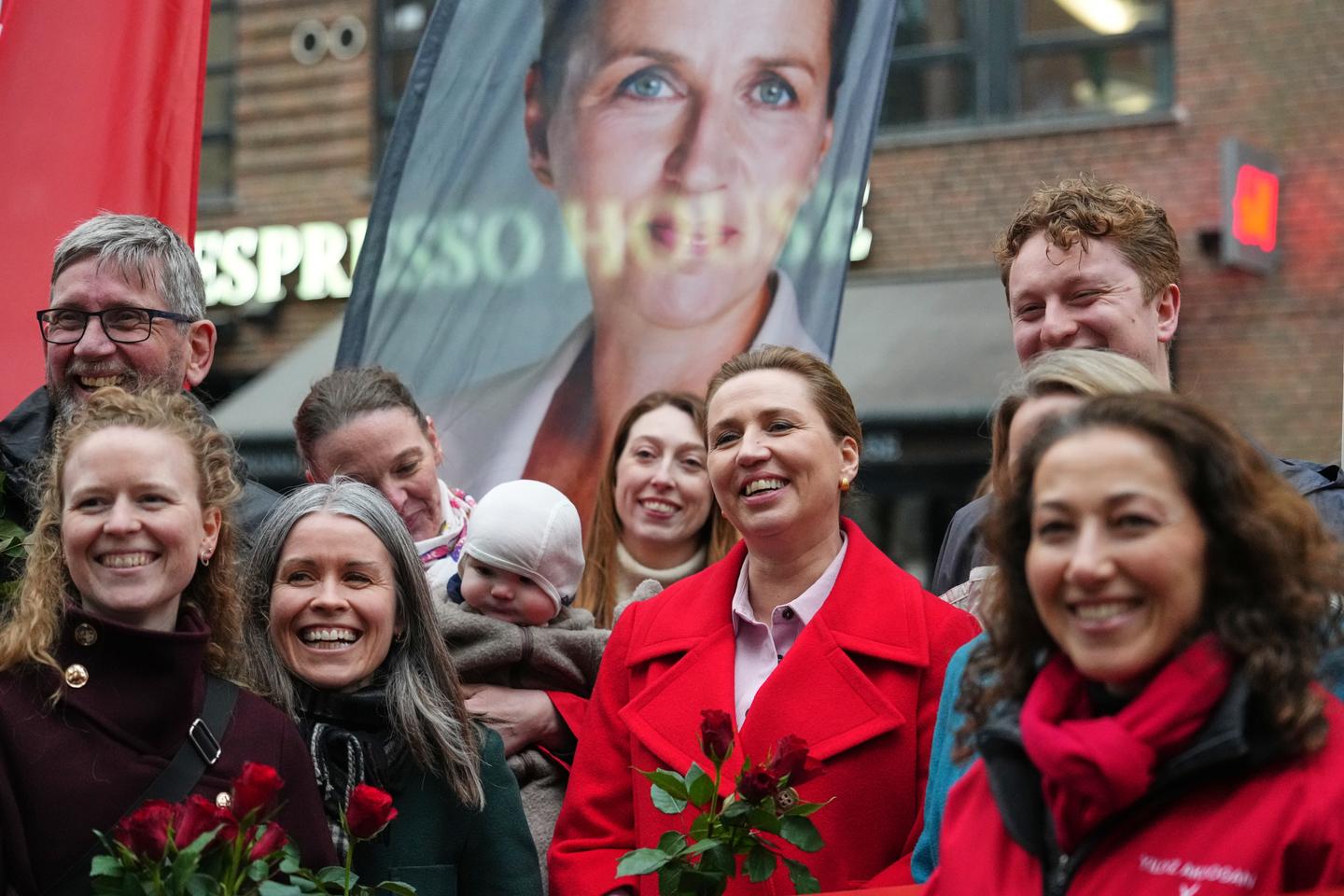
In Gladsaxe, a seven-by-five-kilometer rectangle north of Copenhagen crisscrossed by highways, finding the city center is impossible amid apartment blocks, houses and businesses. "That's because we're a combination of three neighborhoods," explained Jens Boe Andersen, local president of the Social Democrats. In this suburb of 70,000 residents, known as the home of pharmaceutical giant Novo Nordisk, campaigning is no easy task. In addition to door-to-door visits, activists handed out leaflets early in the morning at the train station, trying to persuade undecided voters ahead of the legislative elections on Tuesday, March 24.
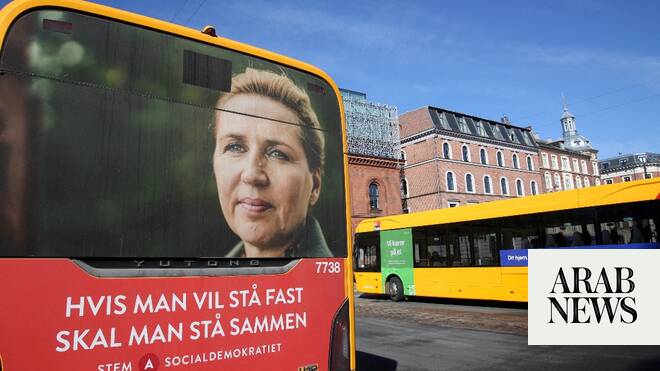
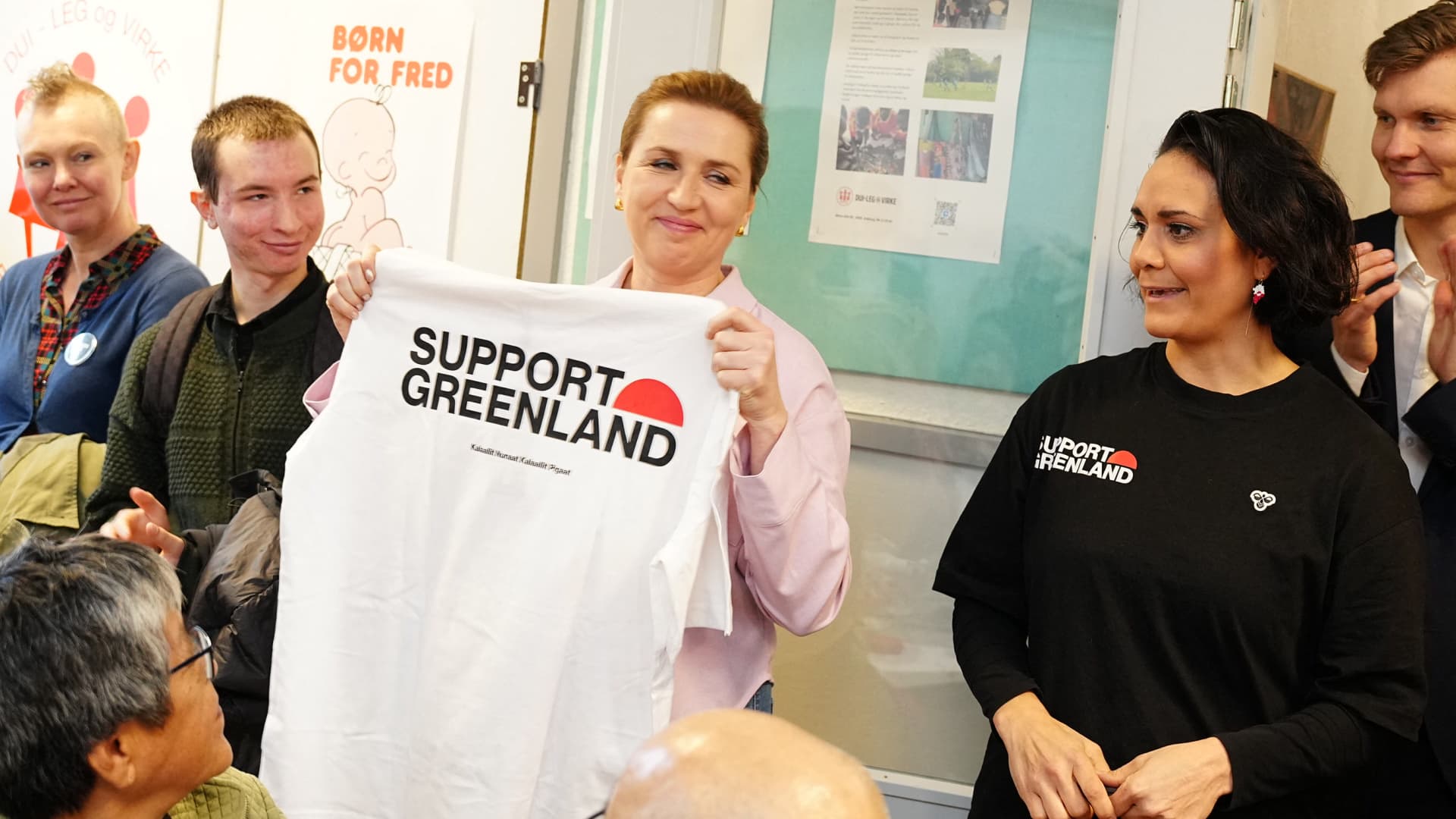
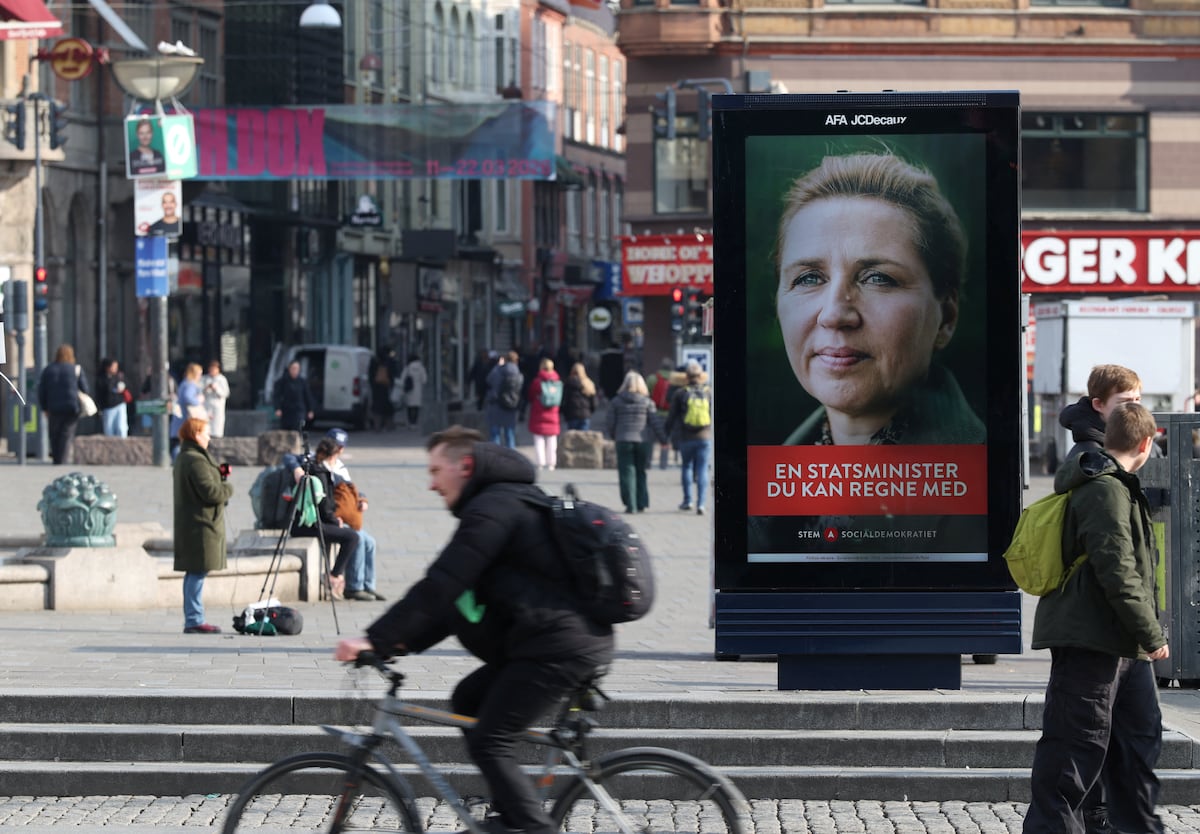
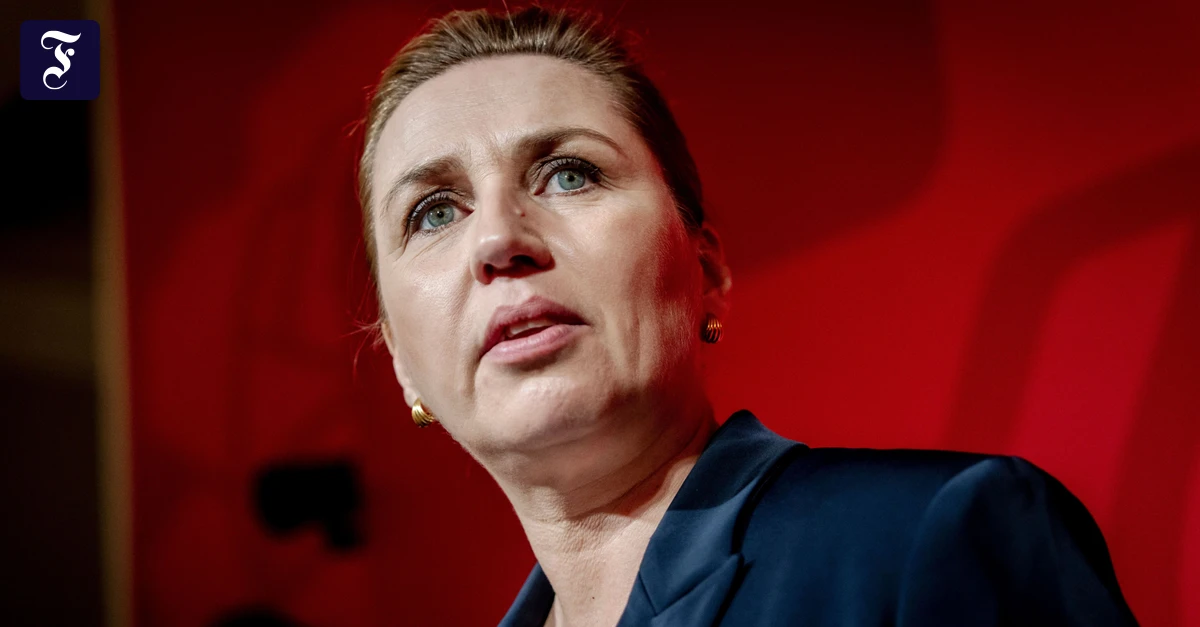
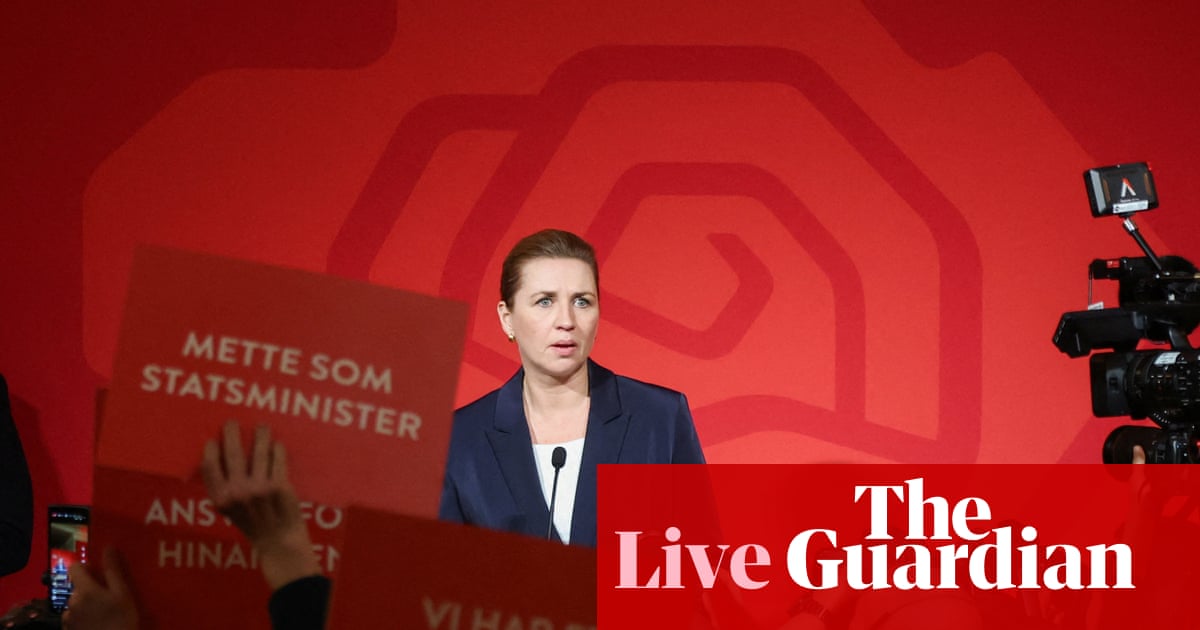
A former senior civil servant and communications adviser to the Red Cross, Andersen says he believes in his party's victory, led by Mette Frederiksen, who has been head of the Danish government since 2019 and is seeking a third term. Frederiksen, who benefited from a bump in the polls after the Greenland crisis earlier in the year, called for early legislative elections that were initially set to take place by the end of October. But while the Social Democrat leader has become a major figure on the international stage and looks likely to keep her post, her party, polling at 21%, far below the 27.5% won in 2022, could see the worst result in its history.