‘In series one, it was bullying, drugs and alcohol. Twenty years on, it’s vapes, cyber-bullying and bloody energy drinks’
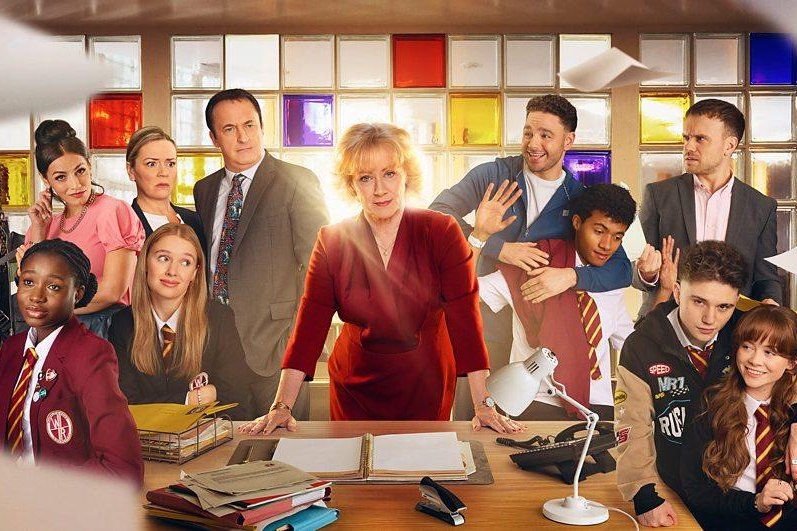
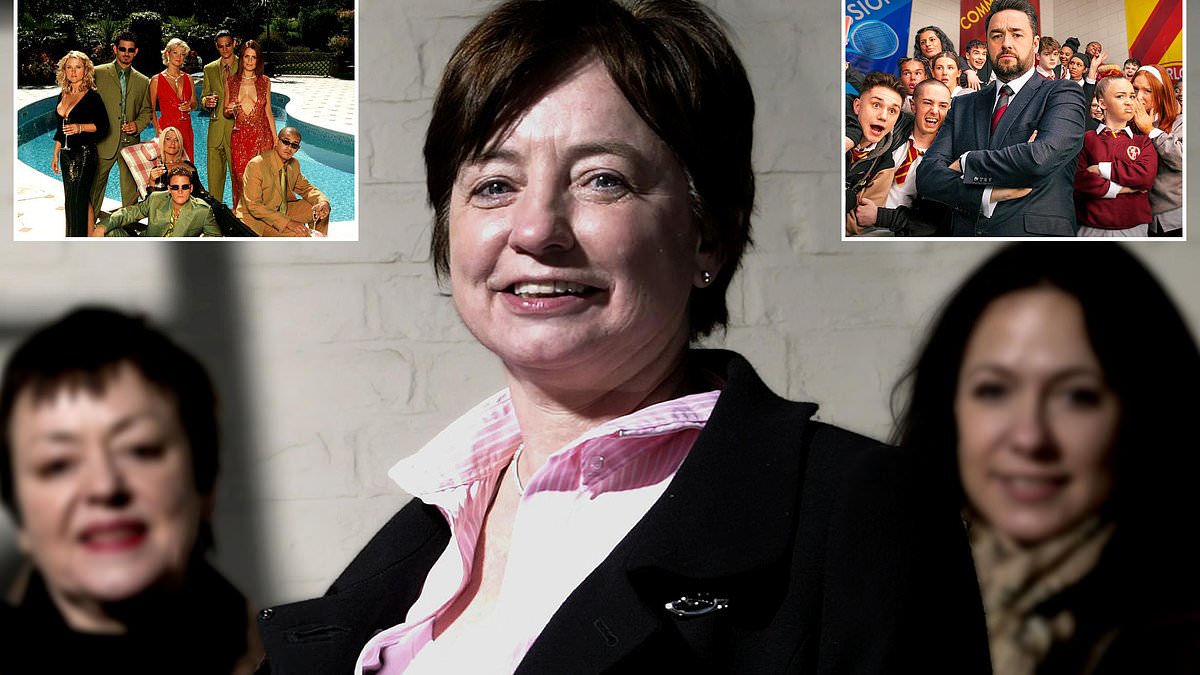
I was working on women’s prison drama Bad Girls when the idea for Waterloo Road came up. Bad Girls creators Maureen Chadwick and Ann McManus had a fiery belief in social justice and did rigorous research. Those are often the foundations of successful serial drama. Ann had once taught in a Glasgow comprehensive and was passionate about education: she believed we write off young people too readily. That became the basis of Waterloo Road.
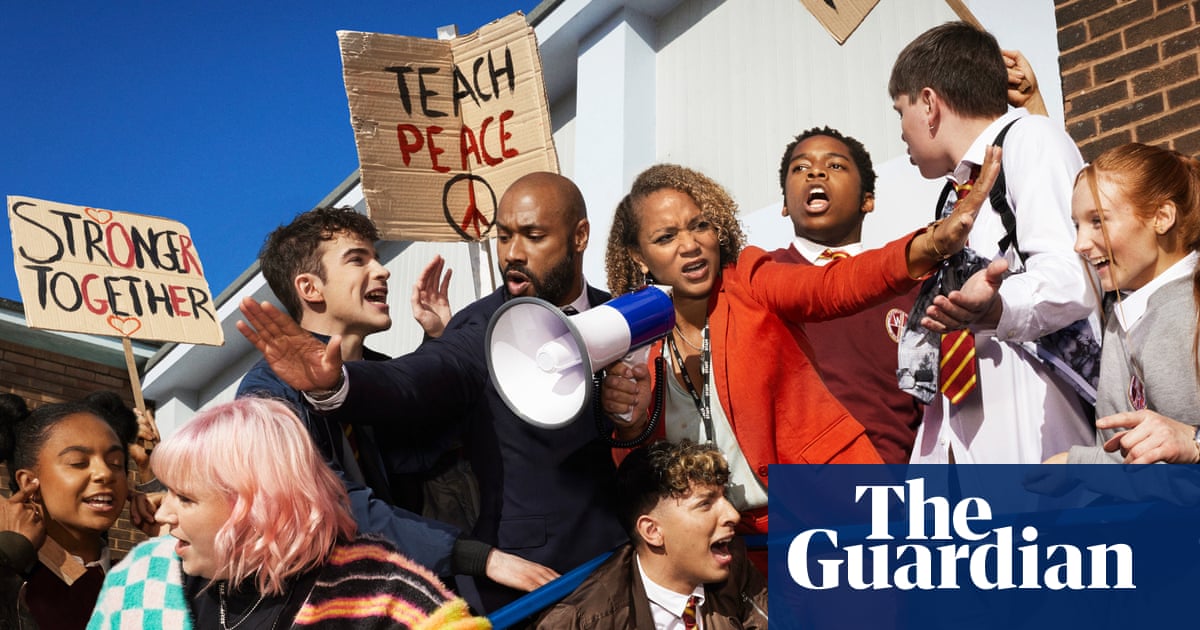
You can’t make a British school show and not be influenced by Grange Hill. But this wasn’t children’s programming – it was primetime. High-school dramas are perennial because it’s the ultimate shared experience. There tends to be a Waterloo Road in most UK towns, so the title had universality. It also worked with The Battle of Waterloo Road, our chaotic first episode. That anarchy remains a key component of the show.
It ran for 10 series but grew stale and got axed. Then, during Covid, old series suddenly did huge numbers on iPlayer. I think viewers missed that sense of community, and for a certain demographic, it was bigger than Strictly or Doctor Who during lockdown. The BBC asked me to reboot it and here I am, seven series and 70 hours of TV later.