This is not about assigning collective guilt to present generations. But injustice does not simply fade with time – it requires deliberate effort to address and redress
T
his month my country, Ghana, celebrated its 69th independence day. In my address to the nation, I invoked the courage and conviction of our founding leaders, who stood firm in the face of immense adversity to secure our freedom. Kwame Nkrumah reminded us that political independence without transforming the global systems that shape our economies and opportunities remains incomplete.
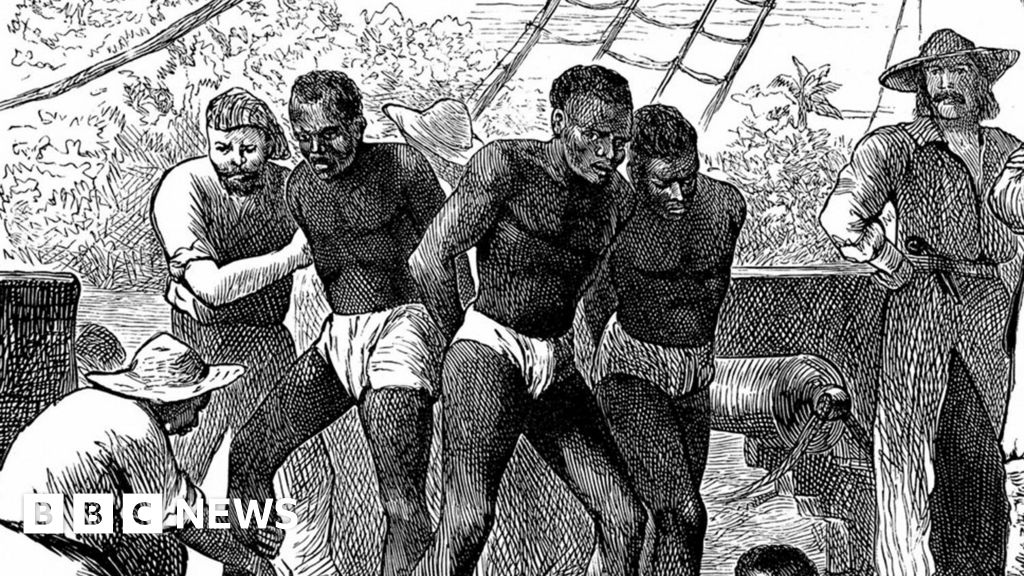
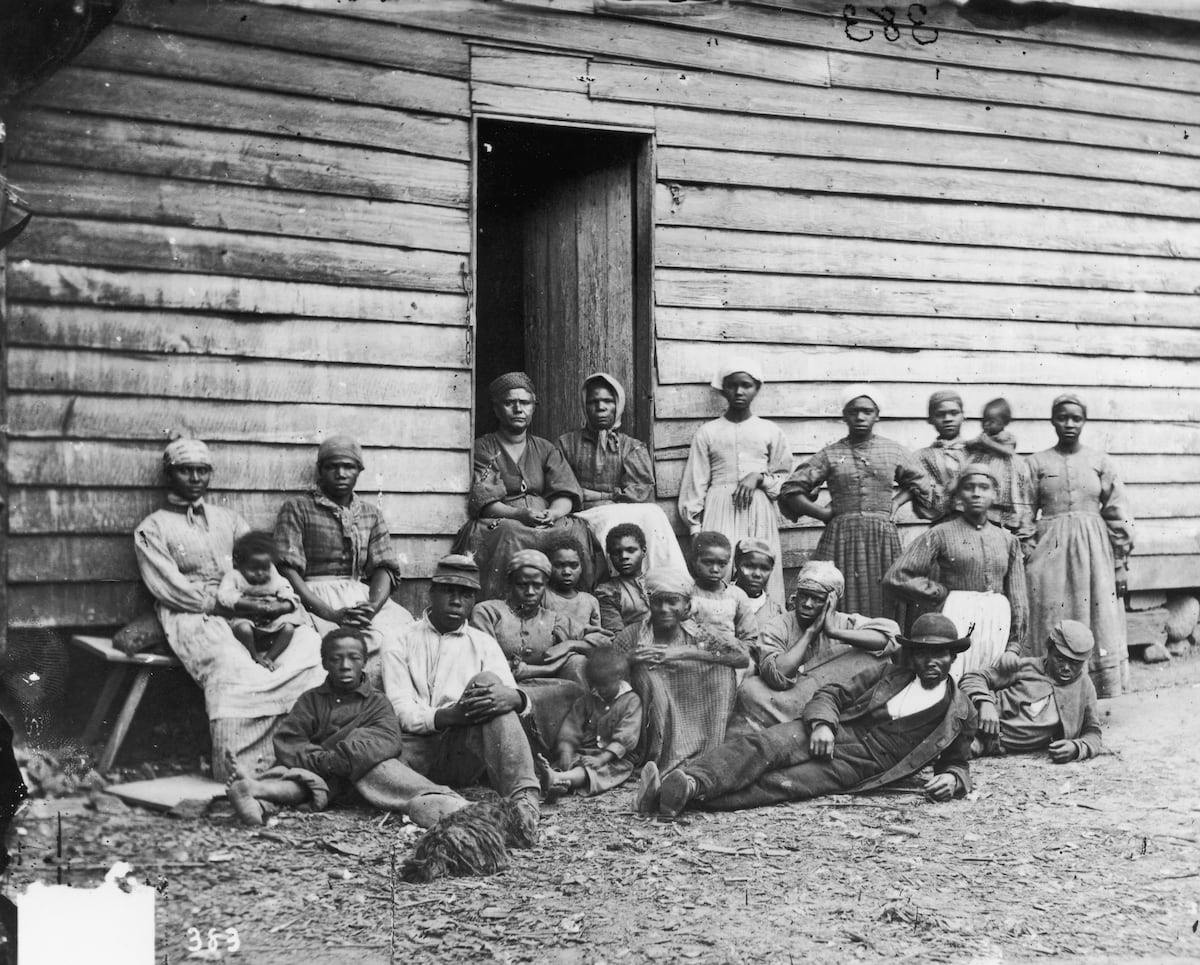
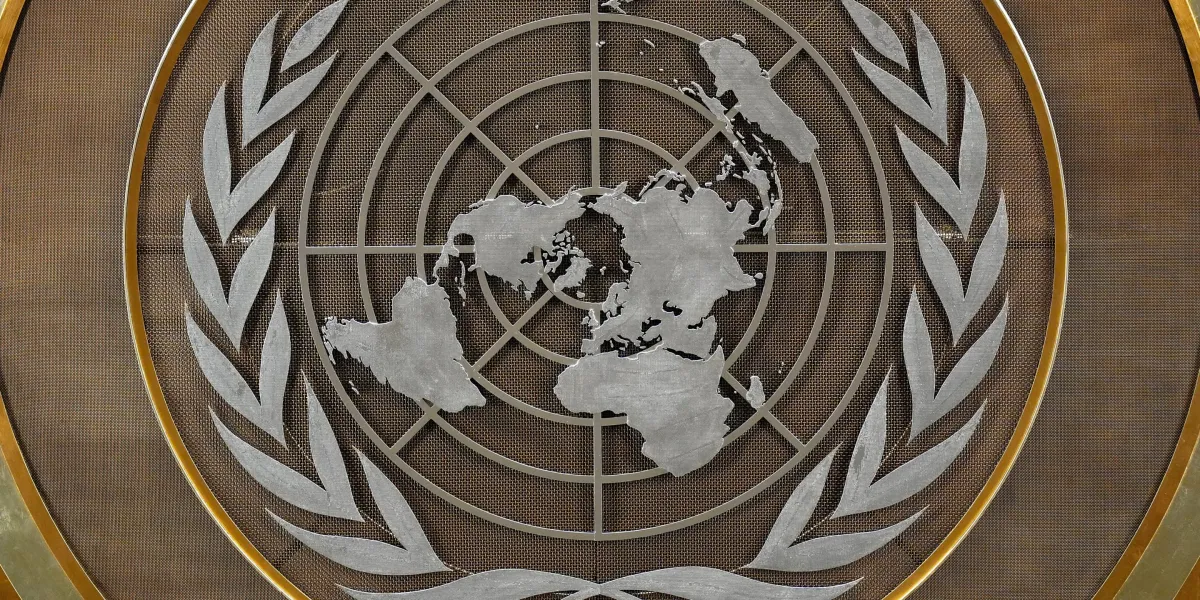
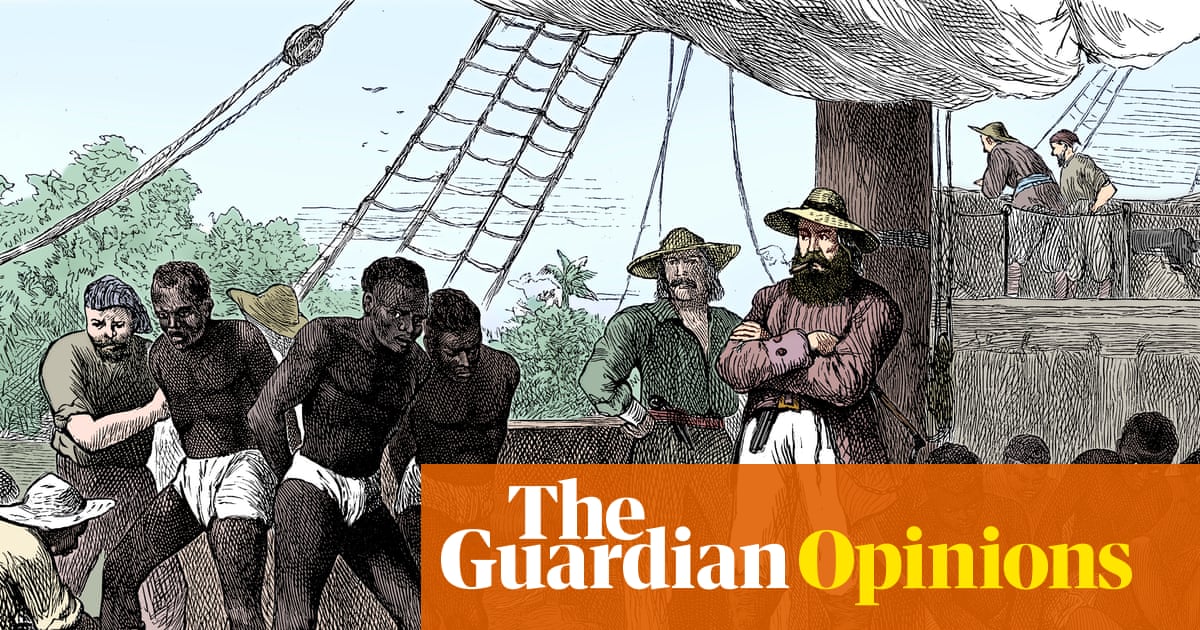
It is in that spirit that, this month, Ghana will table a resolution at the United Nations general assembly calling for the formal recognition of one of the greatest moral tragedies in human history: the transatlantic trafficking and enslavement of Africans as a crime against humanity, and the need for a process of repair.
This initiative is not Ghana’s alone. It carries the support of the African Union, the Caribbean Community (Caricom), and a growing coalition of countries across the global south. Together we seek not to reopen old wounds but to acknowledge them honestly, and to work collectively toward healing and justice in ways that strengthen our shared future.