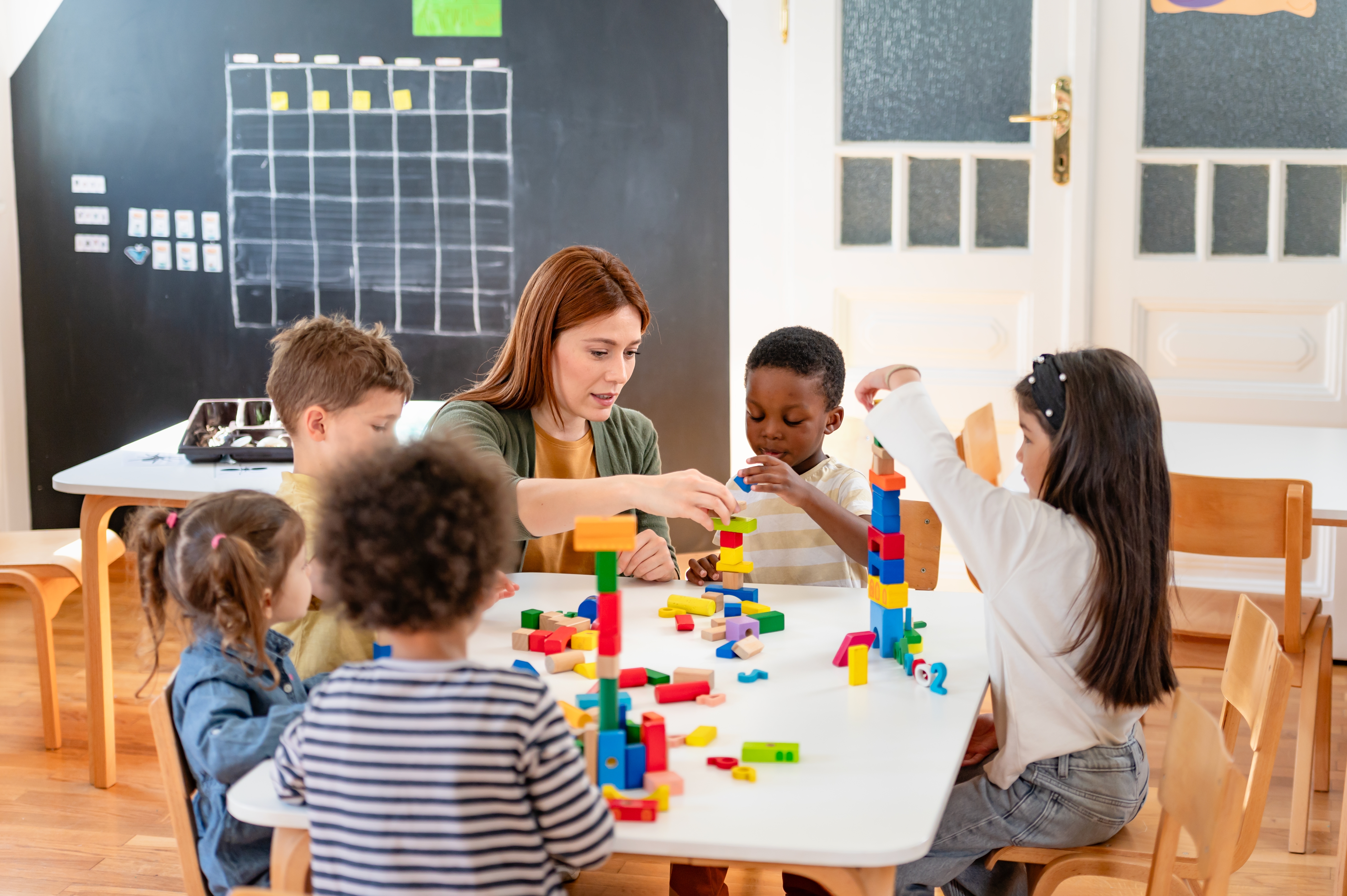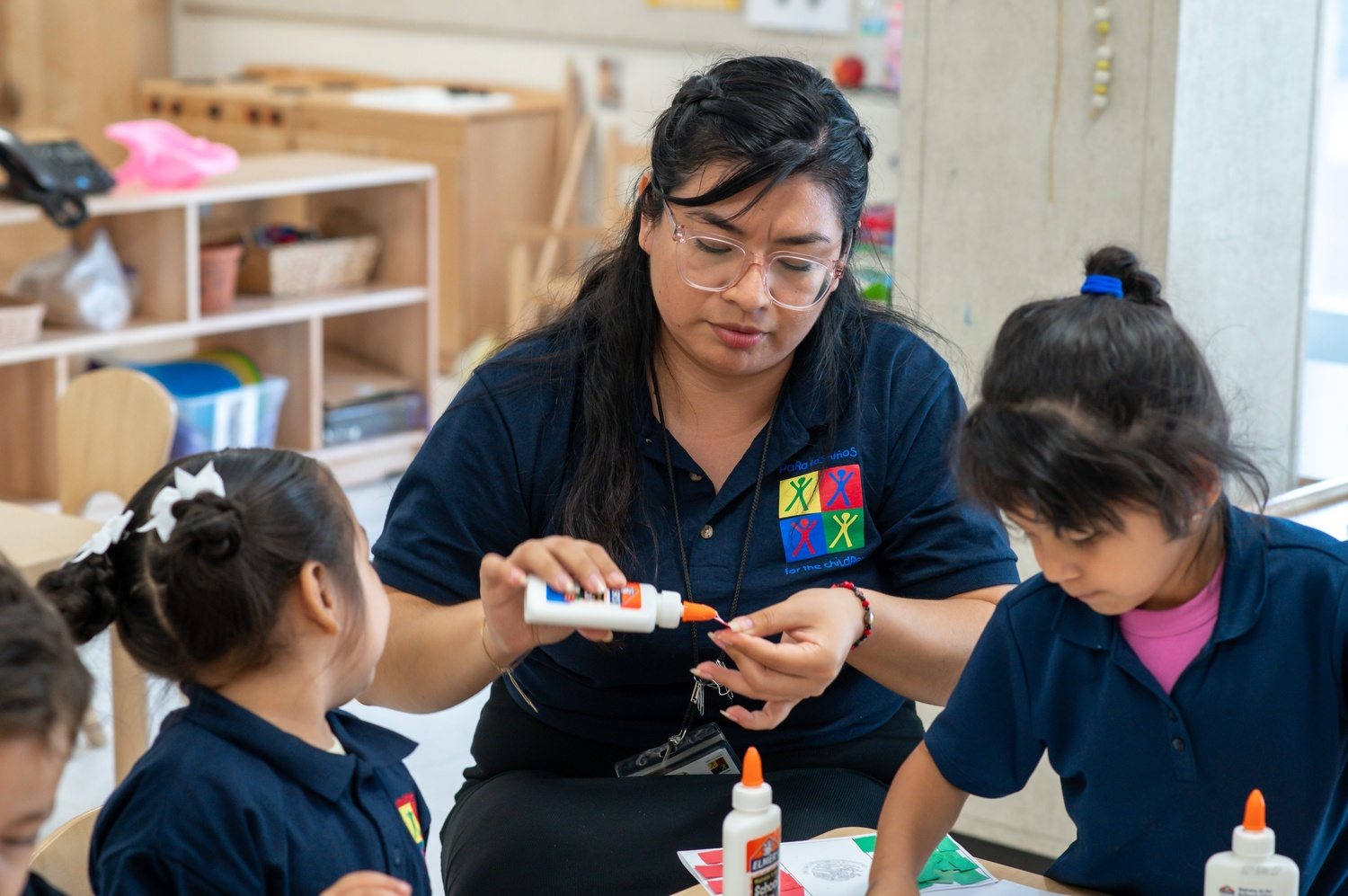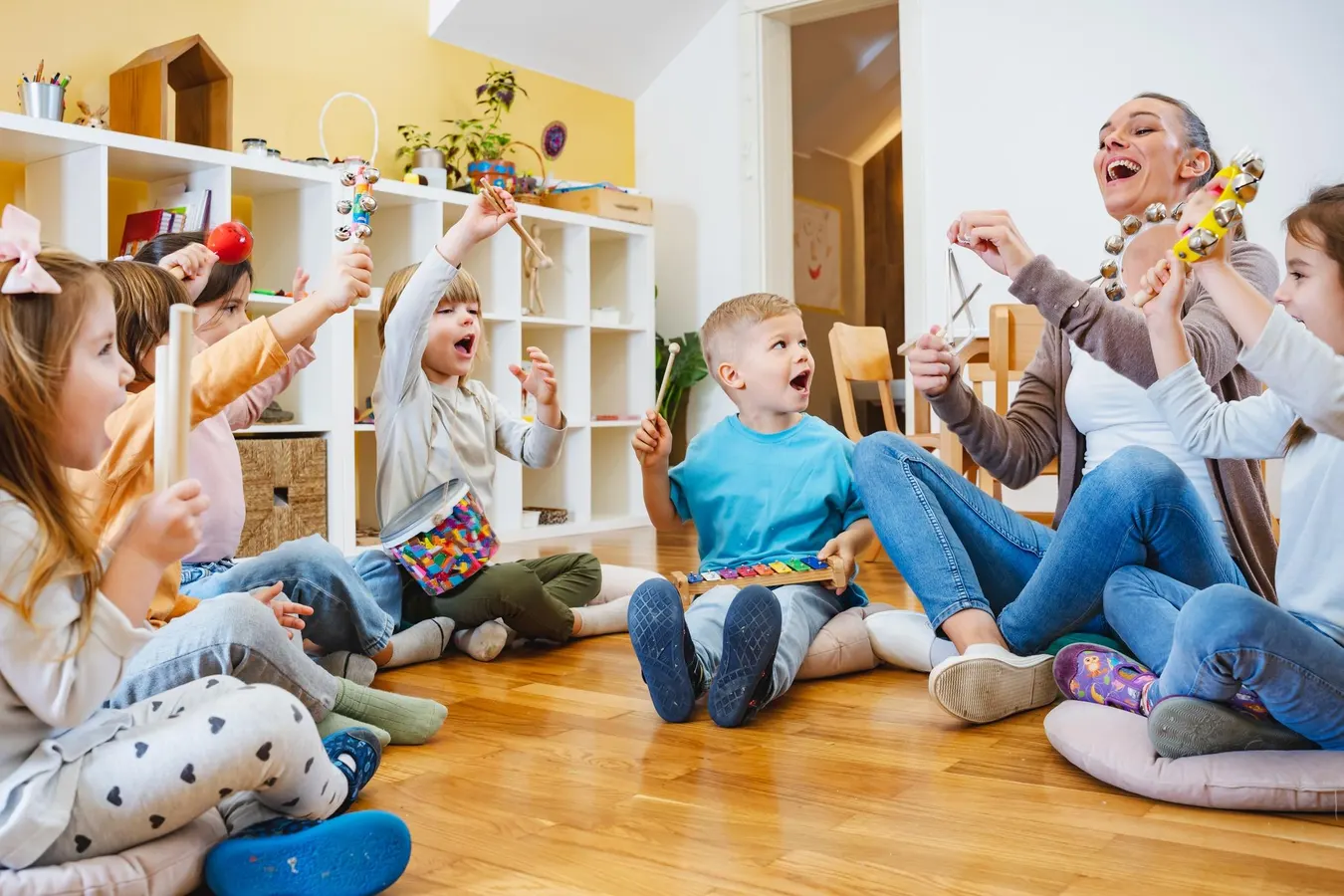
Teacher with children in a Kindergarten Classroom. Healthy learning environment. Kindergarten teacher, building relationships with the kids. Cheerful preschool childrengettyIt’s not your parents’ kindergarten. It probably isn’t even your kindergarten. The standards movement pushed schools to teach more skills sooner, and by 2016 NPR was among the outlets explaining why kindergarten was the new first grade. From a half day of playing and social development, kindergarten has in many places become a full day that includes plenty of academic lessons, the beginning of a child’s “real” schooling.Scholar and author Susan Engels (The Intellectual Lives of Children) notes, “Kindergarten symbolizes something important to everyone, but no one knows much about it.” And so, to look behind the “colorful and whimsical curtain” that surrounds the topic, Engels set out to visit kindergarten classrooms across the entire country in every sort of community. She ended up visiting 29 classrooms in 13 states, looking for patterns that revealed what is going on in American kindergartens.Engels recounted her journey in her new book, American Kindergarten: Dispatches from the First Year of School. The book provides an intriguing look inside a variety of kindergarten classrooms, framed by her observation that kindergartens are defined by five promises.The Promise of Love. Research shows, says Engels, that “when young children feel cared for, safe, and emotionally secure, they are more likely to learn.” Love, she observes, can take many different forms. Kindergartners often are getting their first chance to become close to someone outside of their family, a milestone for their emotional growth and an aid to their education growth.The Promise of Order. Through rules and rituals, the students learn to restrain their own impulses and deal with what Engels calls “the cost of group life.” She mentions Maria Montessori’s idea that if a child experiences “an orderly environment at school, they will acquire the kinds of mental and emotional order necessary to become educated people.” Order helps balance the tension between safety and freedom.MORE FOR YOUThe Promise of Reading. Expectations for reading in kindergarten have moved far beyond the days of knowing letters, letter sounds, and a few sight words. But the increased expectations have brought the reading wars to the classroom. The current debates over how humans read, how they learn to read, and how best to teach reading center on the “Science of Reading,” but they are not new. Rudolph Flesch published the best-selling Why Johnny Can’t Read, arguing that phonics should be promoted over the whole word method, in 1955. Engles navigates the current debates sensibly (no single method will teach every student to read every time).The Promise of Self. Kindergarten is the stage on which children begin to perfect their image of self. Who are they? What kind of person are they? What are their strengths and weaknesses? The Promise of Thinking. Engels, a senior lecturer in psychology at Williams College, explains some of the extraordinary changes in mental abilities that occur in these early years. She has great faith in the intellectual lives of five-year-olds. “It’s not just that they can think in a discerning and probing way, they also prefer to, when given a chance.”Engels does touch on issues of policy, noting that research shows that economic security and freedom from racism are “essential if schools are to do well by children."It is an outrage that a well-off nation like the United States has so many underfunded schools, just as it is a tragedy that so many children of color contend with racism and its pervasive impact, day in and day out while they are trying to learn. The real attraction here is Engle’s many detailed and sharply observed visits to the classrooms. She paints vivid pictures of students and teachers in classrooms that exemplify-- or fall short of-- each of the promises. It’s a reminder of just how complex and involved the work is for a teacher who must shepherd a room full of five year old students, as well as a reminder of what five year old humans are like. Kindergarten is often ignored in discussions of education policy, and even adults who should know better often dismiss it as if it were simply babysitting, a holding pen for children while they wait to get ready for “real” school. Engels shows us just how critical, challenging, and completely human this year is.The book is a worthwhile read for anyone interested in the K-12 education world, and particularly important reading for any young parents who will be embarking on the kindergarten journey.
Touring America’s Kindergartens
It’s not your parents’ kindergarten. It probably isn’t even your kindergarten.
751 words~3 min read