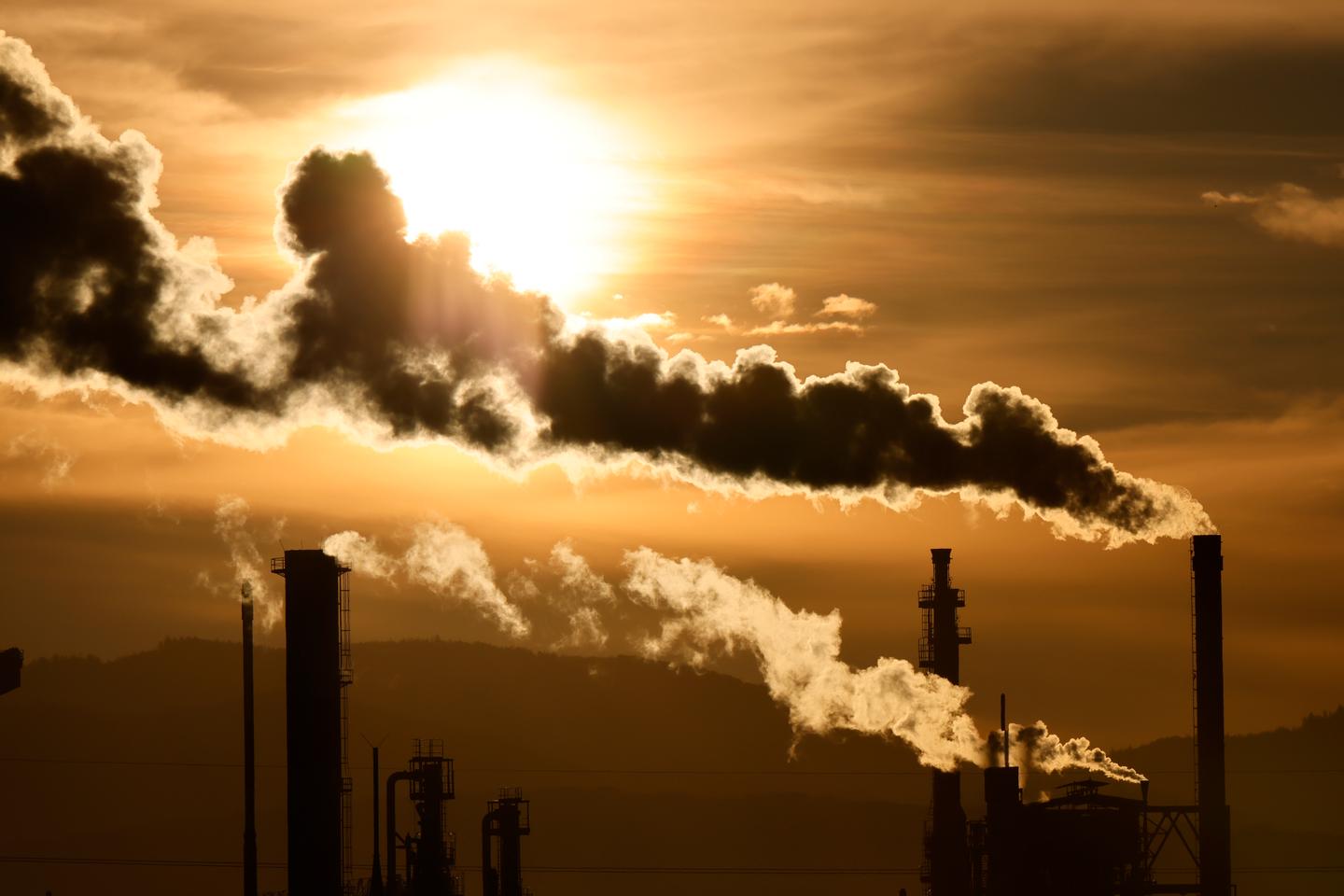
The Butachimie chemical plant sits in Chalempe, eastern France, Tuesday, November 8, 2022. JEAN-FRANCOIS BADIAS / AP
The amount of heat trapped by the Earth reached record levels in 2025, with the consequences of such warming feared to last for thousands of years, the UN warned on Monday, March 23. The 11 hottest years ever recorded were all between 2015 and 2025, the United Nations' WMO weather and climate agency confirmed in its flagship State of the Global Climate annual report.
Last year was the second or third hottest year on record, at about 1.43 Celsius above the 1850-1900 average, the World Meteorological Organization said.
"The global climate is in a state of emergency. Planet Earth is being pushed beyond its limits. Every key climate indicator is flashing red," said UN Secretary General Antonio Guterres. "Humanity has just endured the 11 hottest years on record. When history repeats itself 11 times, it is no longer a coincidence. It is a call to act."
For the first time, the WMO climate report includes the planet's energy imbalance: the rate at which energy enters and leaves the Earth system. Under a stable climate, incoming energy from the Sun is about the same as the amount of outgoing energy, the Geneva-based agency said. However, the increase in concentrations of heat-trapping greenhouse gases – carbon dioxide, methane and nitrous oxide – "to their highest level in at least 800,000 years" has "upset this equilibrium," the WMO said. "The Earth's energy imbalance has increased since its observational record began in 1960, particularly in the past 20 years. It reached a new high in 2025."