A
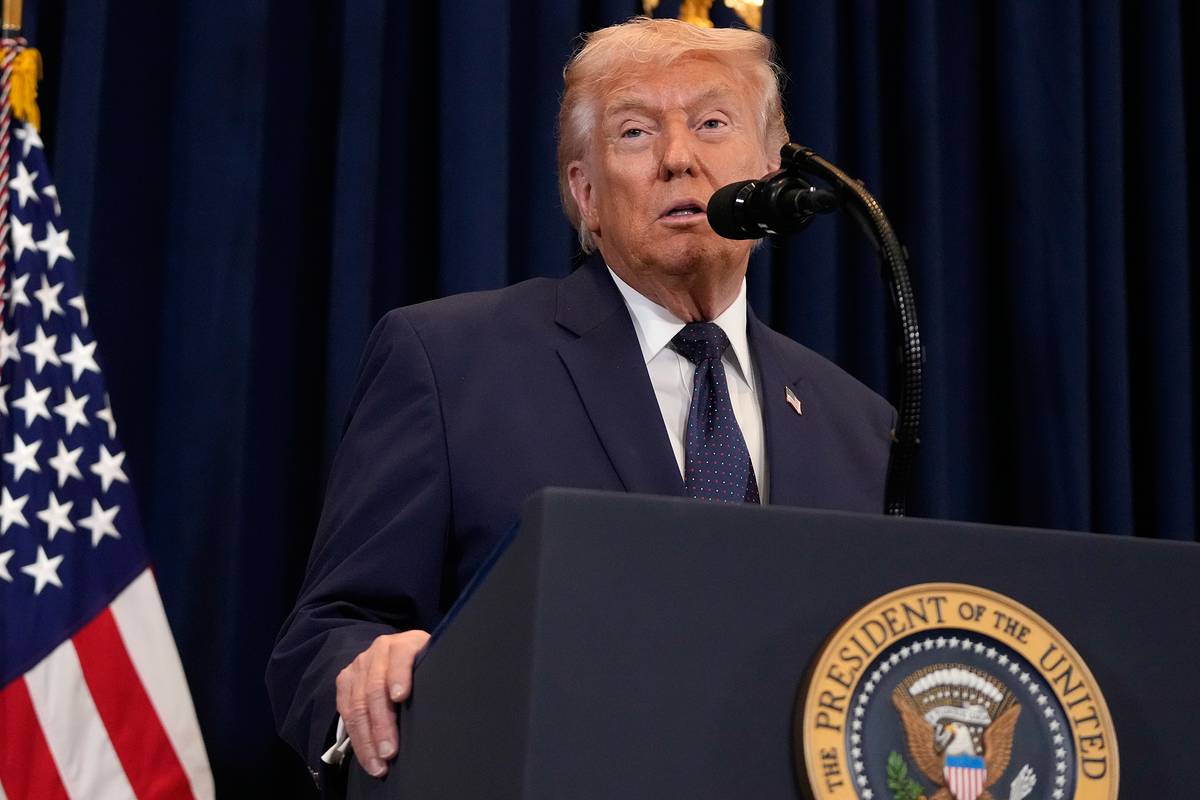
s Operation "Epic Fury," launched by the US against Iran's regime, enters its fourth week with no clear outcome in sight, the collateral effects are multiplying. By embarking on this campaign, Donald Trump aimed to restore US strategic credibility and to contain a regional escalation perceived as threatening. Paradoxically, he is providing Russian President Vladimir Putin with an unexpected economic and strategic breathing space. As the conflict in the Middle East sends oil prices soaring and diverts Western attention, Russia is regaining much-needed oxygen for its war of attrition in Ukraine.
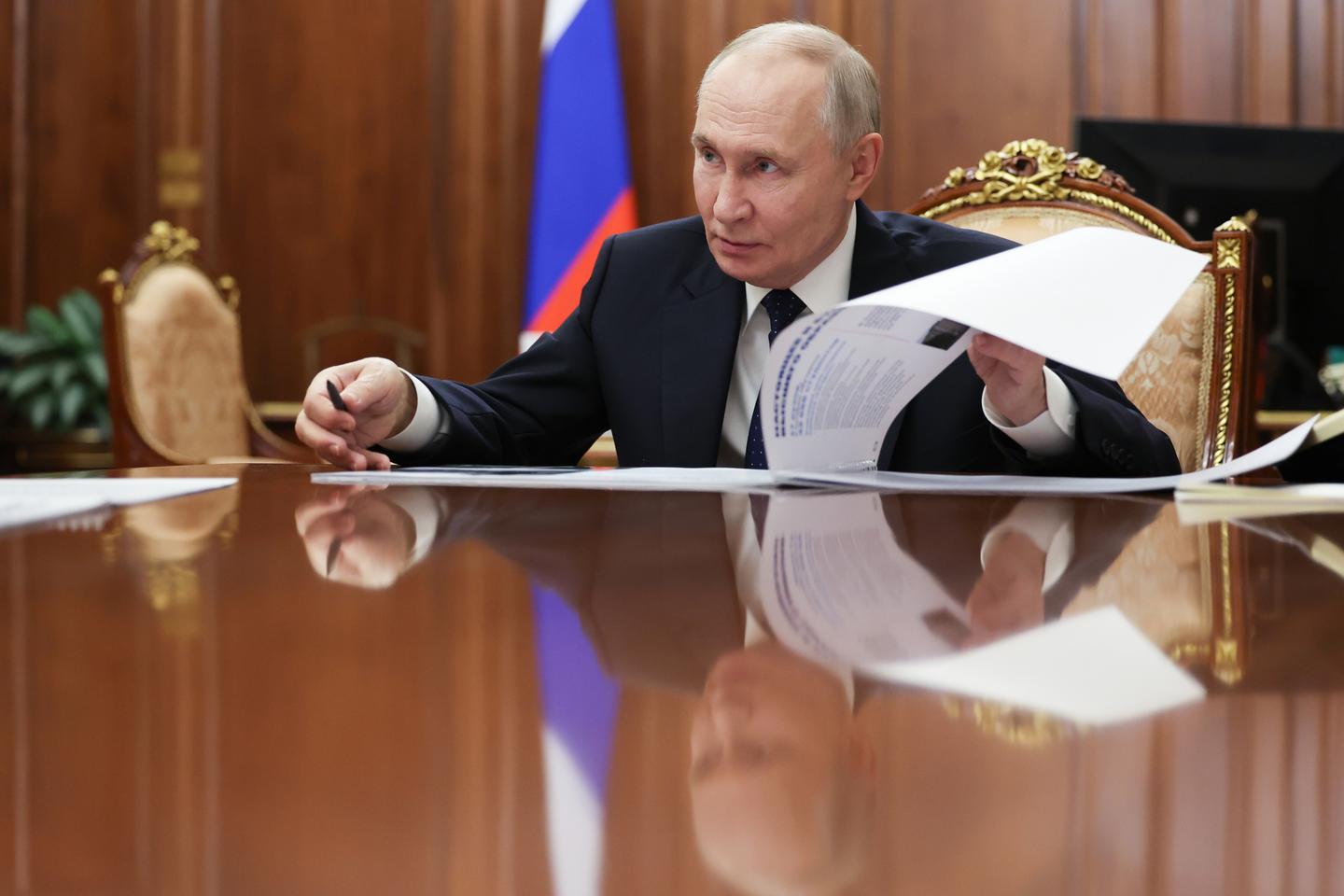
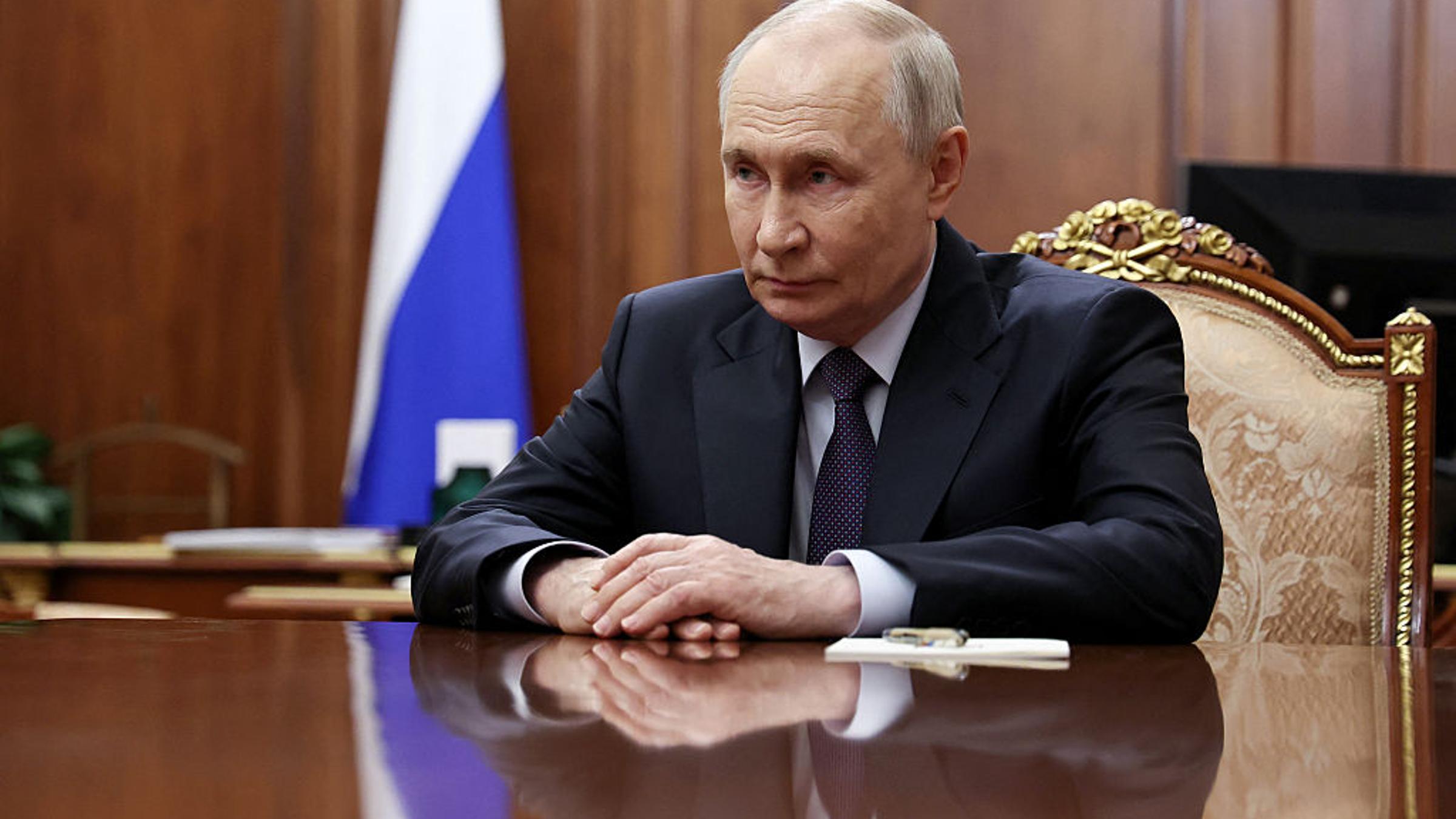
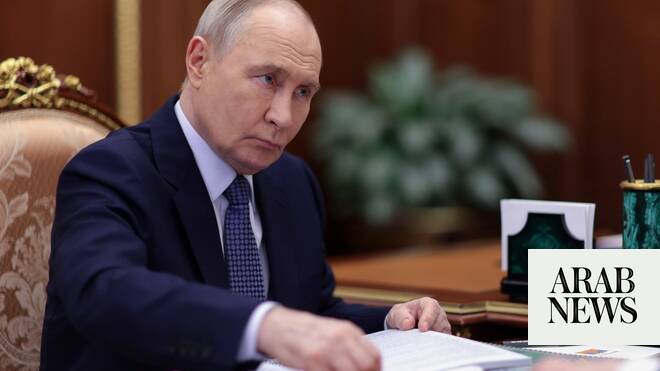
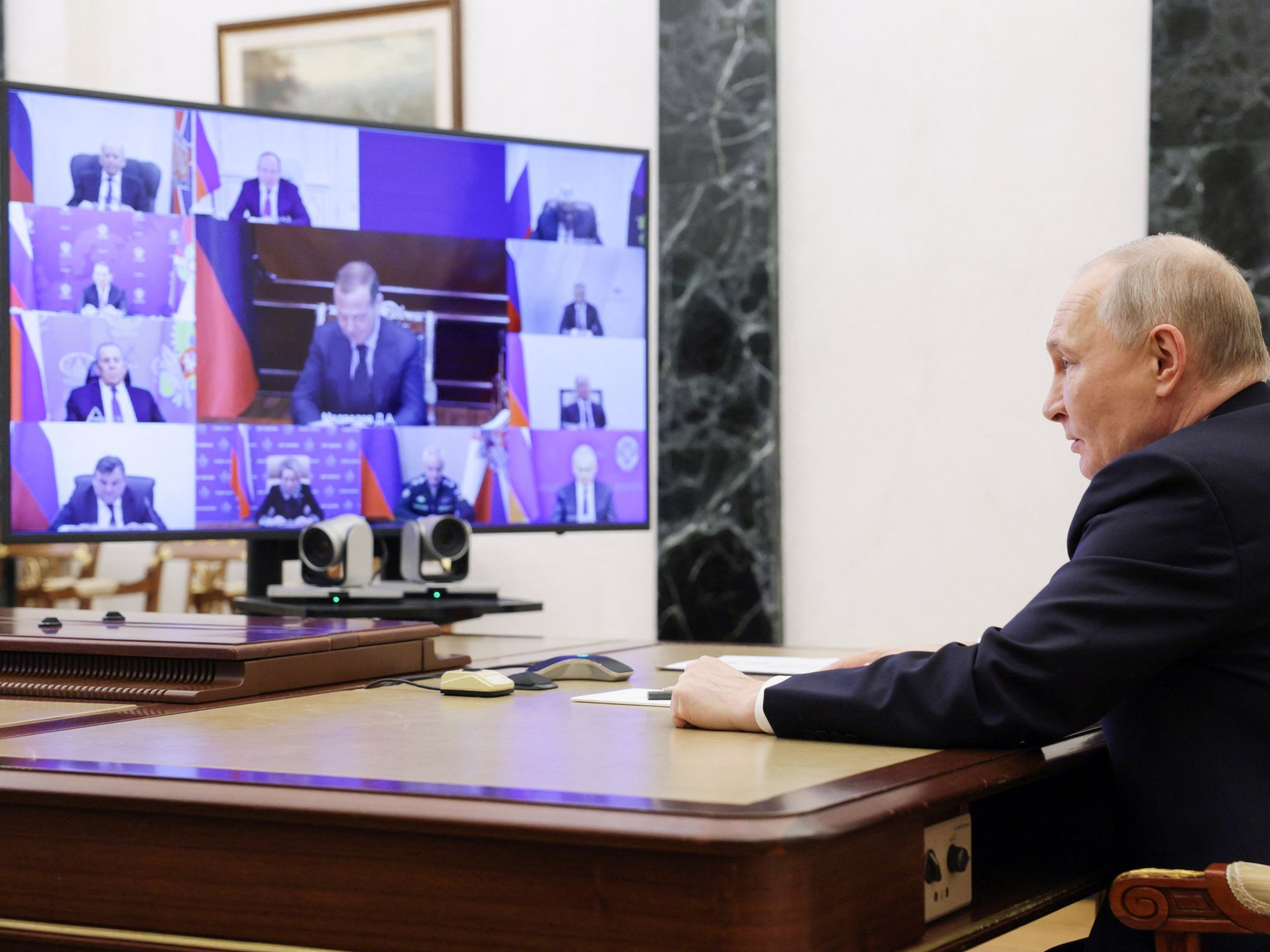
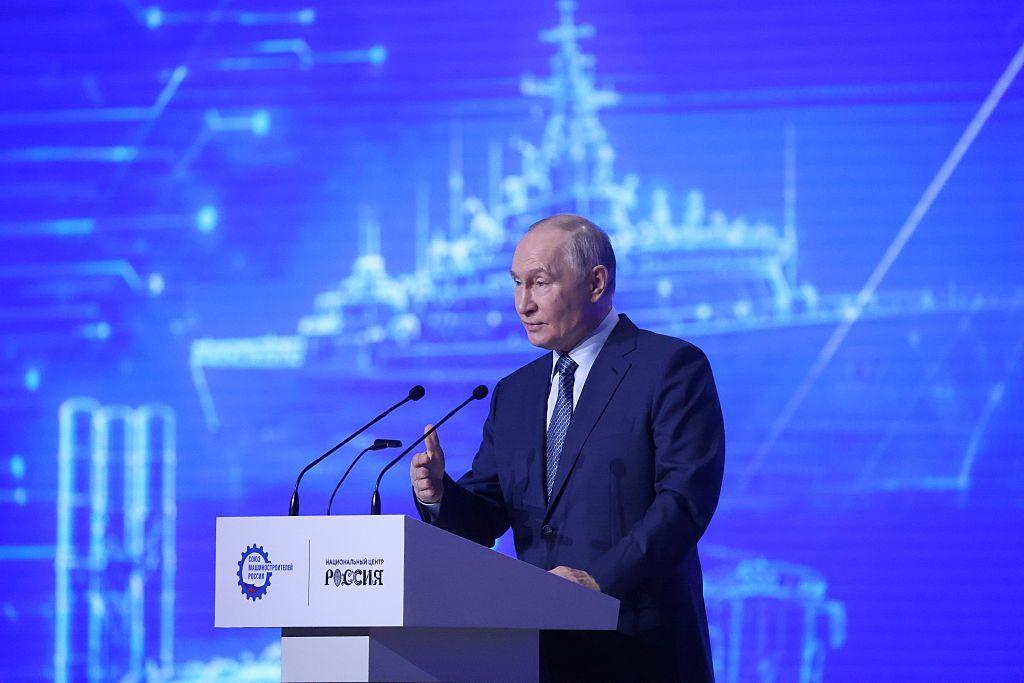
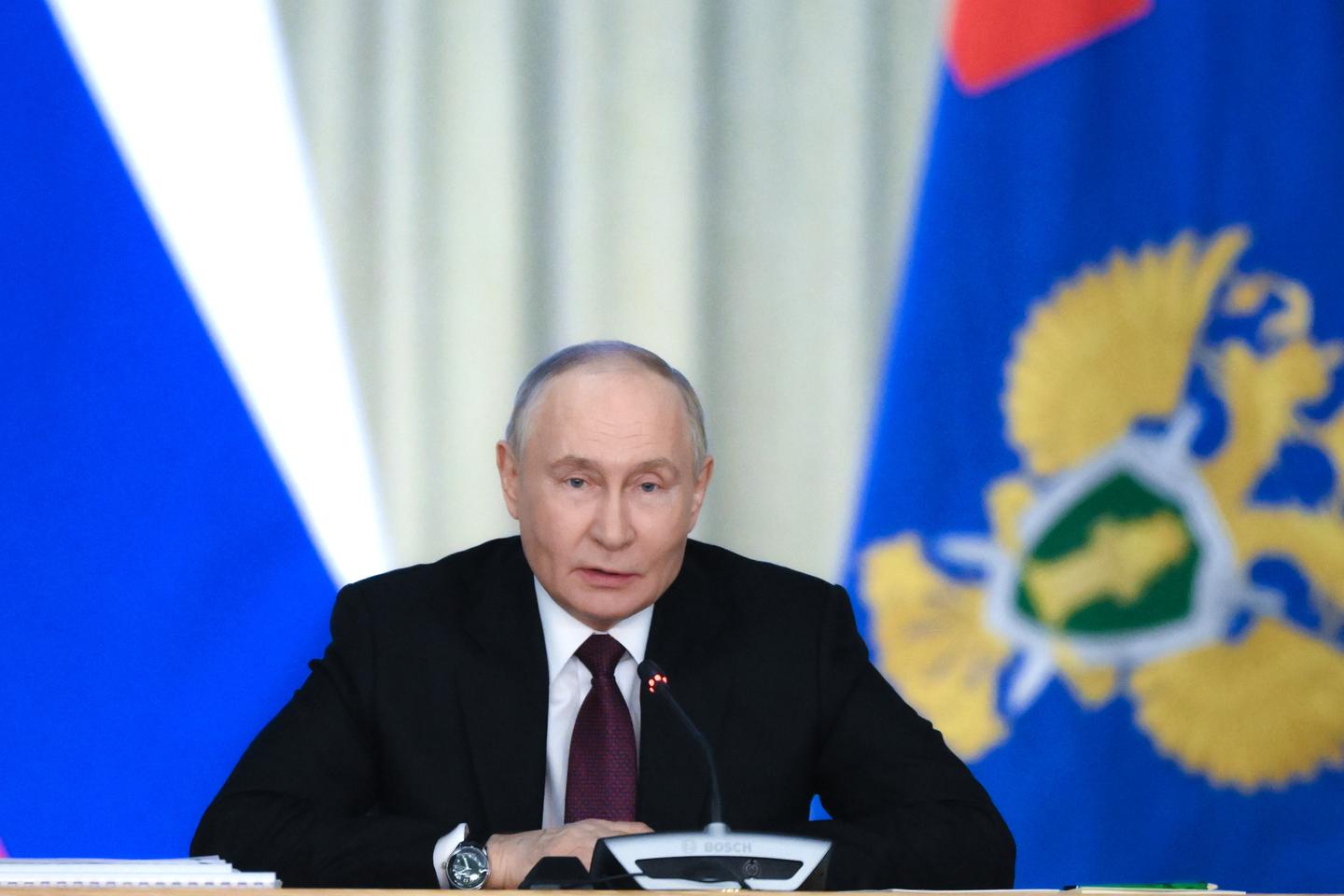
A few days ago, Putin addressed the heads of the country's major oil and gas companies, while clearly savoring this reversal of fortune. He mocked the efforts made by Europeans over the past four years to wean themselves off of Russian hydrocarbons, pointing out that cheap energy remains a powerful political temptation. The message is clear: Lofty principles quickly fade when energy bills soar.
This sequence comes at a crucial time for the Russian economy, which had clearly been deteriorating. Western sanctions, the oil price cap imposed by the G7 and shrinking export margins had begun to weigh heavily on Russian public finances. Growth, which had been artificially boosted by the war economy, was starting to falter, while the budget deficit was widening.