In this article
Franklin Templeton
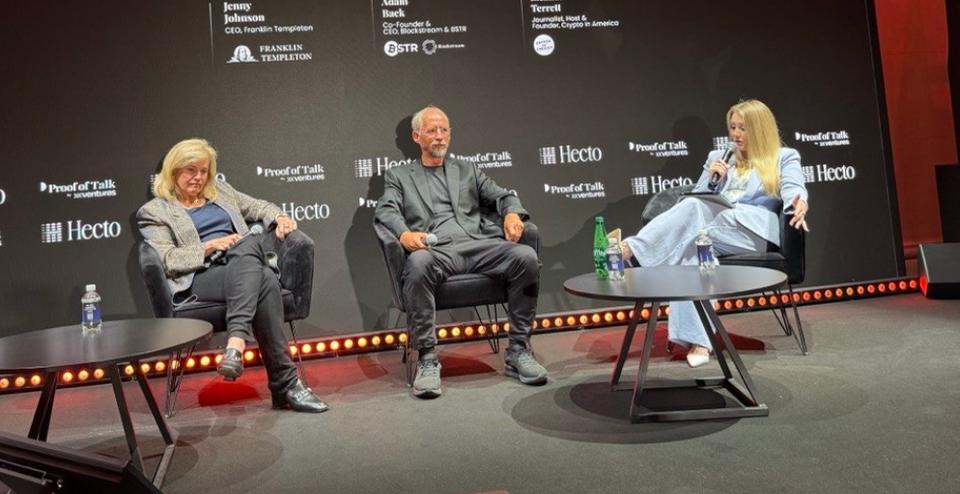
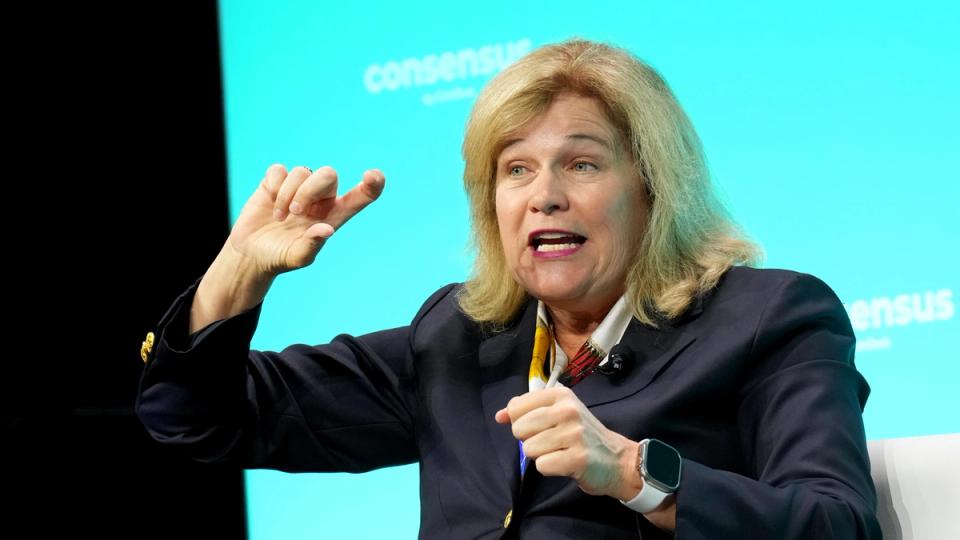
CEO Jenny Johnson has two equally challenging jobs. She oversees a fund company with nearly $2 trillion in assets under management within an industry experienced accelerated change, from active ETFs to tokenization. And, as a third-generation leader from the Johnson family, she’s in charge of the legacy of a business started by her grandfather 79 years ago that is now valued by the stock market at roughly $13 billion.
For a family business like Franklin Templeton’s to last into a third generation is notable. Johnson often refers to a saying that appears in different forms around the world to make this point. In the U.S., people say, “shirtsleeves to shirtsleeves in three generations.” In Europe, it’s “clogs to clogs.” And in Asia, it’s “rice paddies to rice paddies.” There is also, “Rich father; noble son; poor grandson.”
Or in other words: the first generation builds the business, the second grows it, and the third may be the one to bring about its failure. The actual data to support this global narrative is debatable. A 2021 Harvard Business Review analysis during the peak of the HBO “Succession” family business drama found that statistics commonly cited on the “third-generation failure” thesis were predicated on a single study from the 1980s, and its data was prone to misinterpretation. Nevertheless, a family business has a unique set of risks that need to be handled in a unique way, and many families do not prepare properly. According to PwC’s 2023 U.S. Family Business Success survey, only 34% of family businesses have a documented succession plan.