T
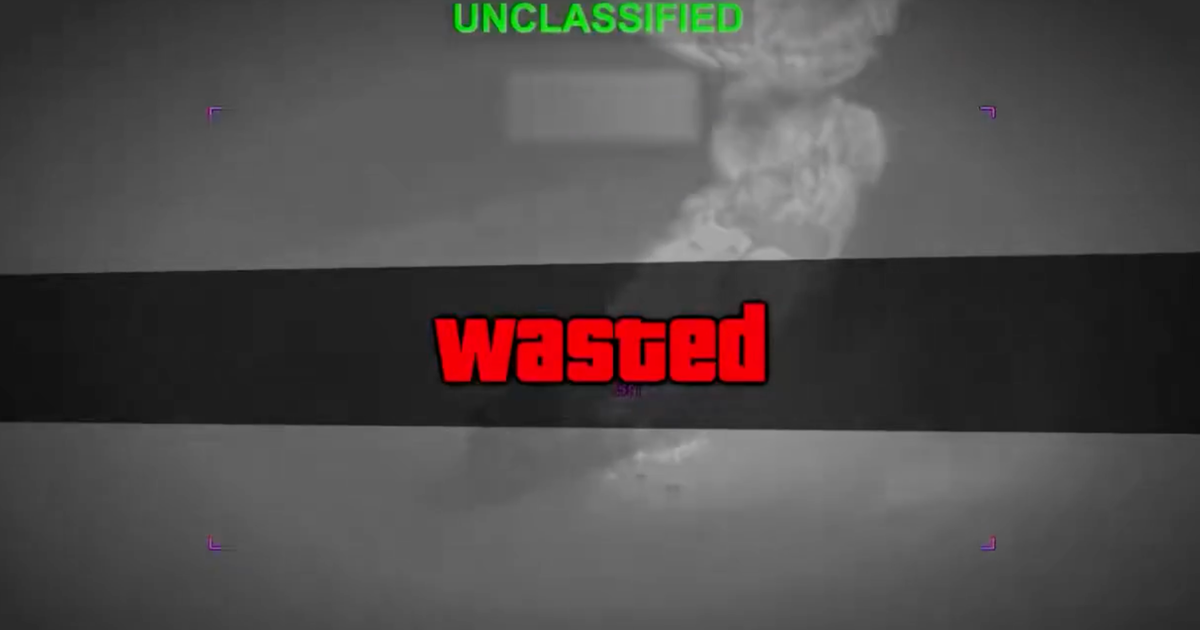
he way the US showed its airstrikes in the media has changed little since the first Gulf War (1990-1991). With the launch of Operation "Epic Fury," the White House's video communications marked a clear break from that tradition. By mixing real footage of strikes with references to digital pop culture, it broke free from the technical and institutional register that had previously defined modern warfare's portrayal.
This transformation was immediately visible in the first video published on March 4 on the White House's official X account. The editing borrowed directly from the visual language of first-person shooter (FPS) games such as Call of Duty.
The perspective was immersive and in the first person; the editing was fast and choppy. The graphic interface replicated what gamers call a "heads-up display" (HUD), a hallmark of these games. The munition featured in the final strike, a mass guided bomb, is in Call of Duty: Modern Warfare II the ultimate "killstreak" reward: a prize given to the player who strings together enough eliminations without dying to unleash a devastating strike.
When this munition is used, the match is considered over. "Epic Fury" itself is not standard military jargon, unlike operations such as "Desert Storm" (carried out in Iraq in 1991) or "Enduring Freedom" (conducted in Afghanistan after the September 11 attacks). The phrase is emphatic, more reminiscent of a meme or viral video title. This shift indicates a deeper transformation in how the US administration constructs the meaning of its military operations.