https://arab.news/nvs7d
World Wood Day and the International Day of Forests in 2026 carry a clear message: forests and wood are not only part of our natural heritage but also foundations of a sustainable global economy.
For millennia, wood has shaped human civilization. It built homes, ships, tools, and cities, and remains embedded in craftsmanship and architecture across cultures. From timber framing in Europe to cedar traditions among Indigenous communities, forests have long connected culture, livelihoods, and landscapes.
Today, that relationship is entering a new phase. In an era defined by climate change and resource scarcity, forests and wood are increasingly recognized as strategic assets for sustainable development. The challenge is no longer simply protecting forests but managing them so they continue supporting both ecological stability and economic prosperity.
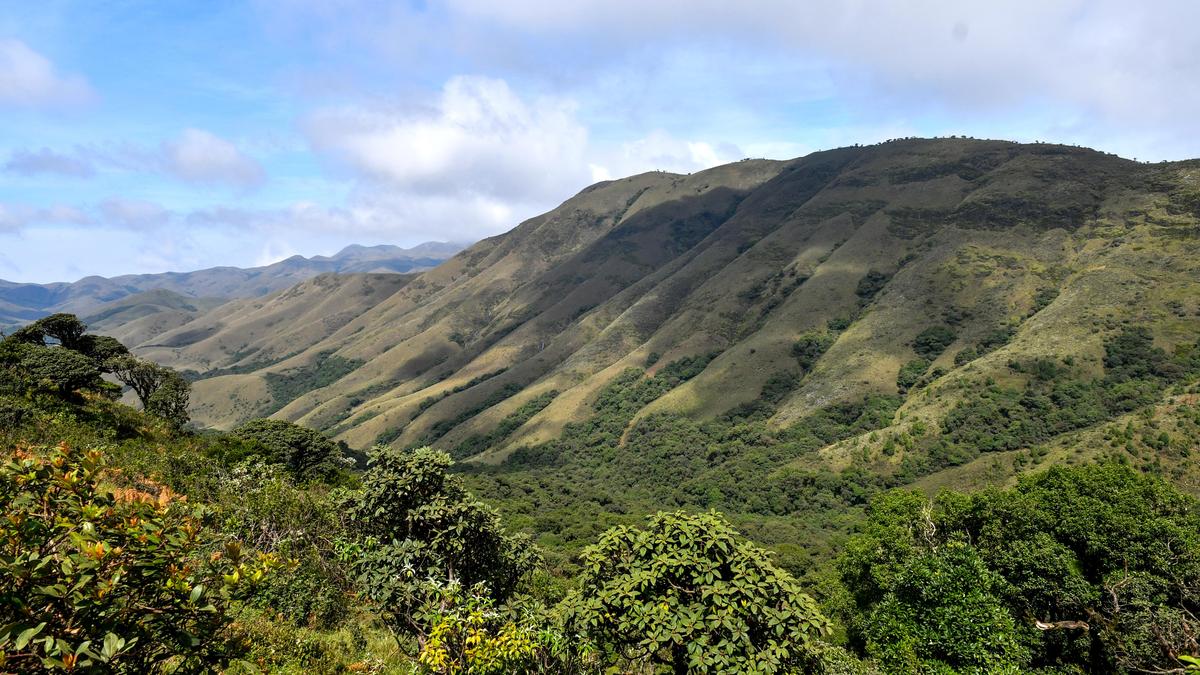
The numbers illustrate their scale. Forests cover nearly 32 percent of the Earth’s land surface—about 4.14 billion hectares globally. They support the livelihoods of around 1.6 billion people worldwide, many of whom depend on forests for income, food, energy, and materials.