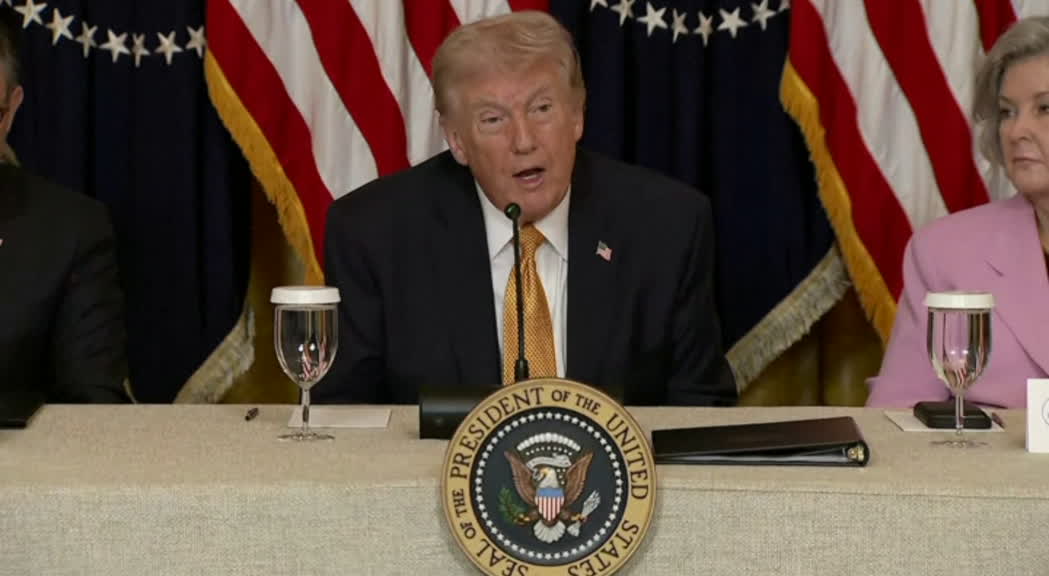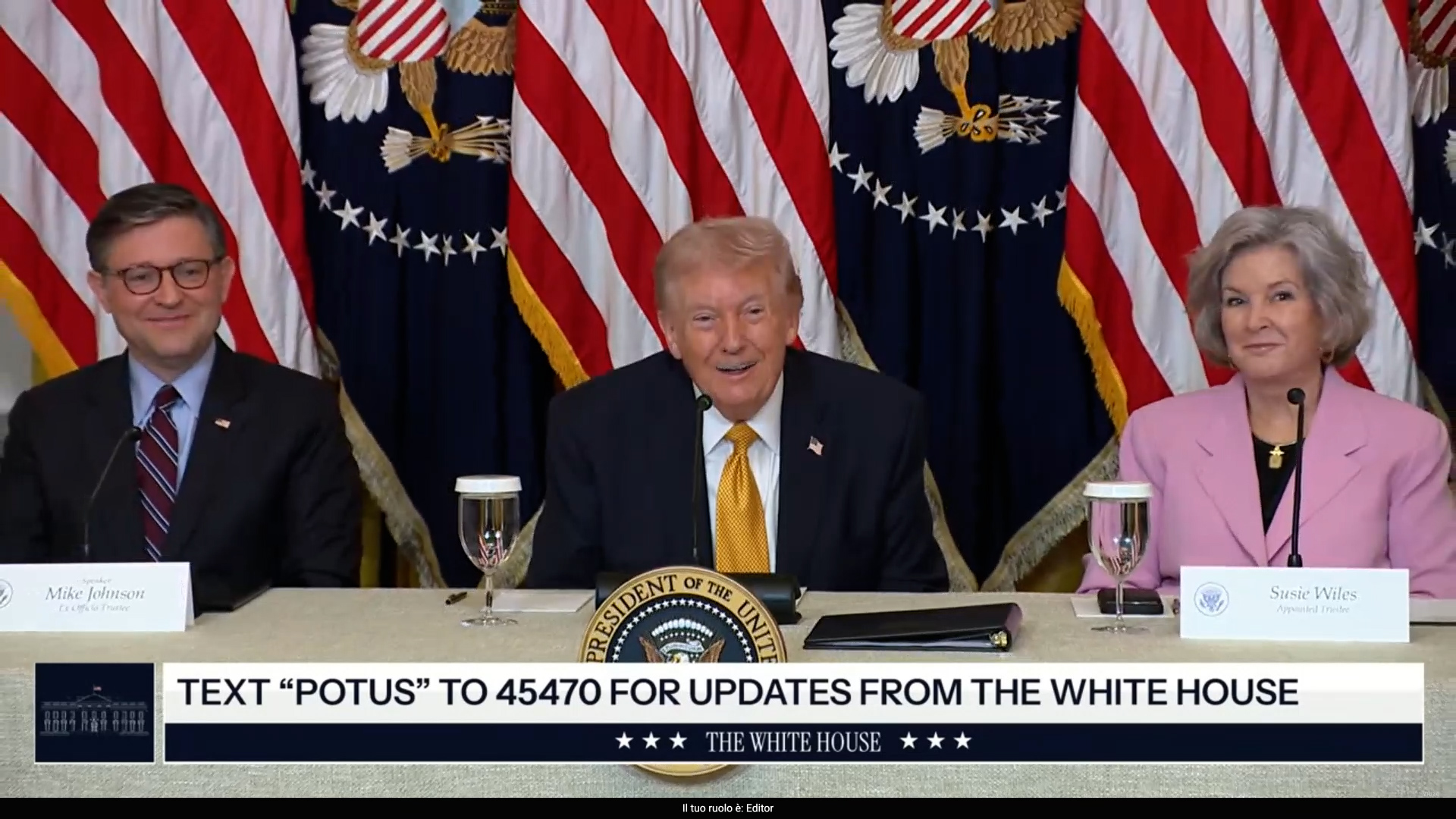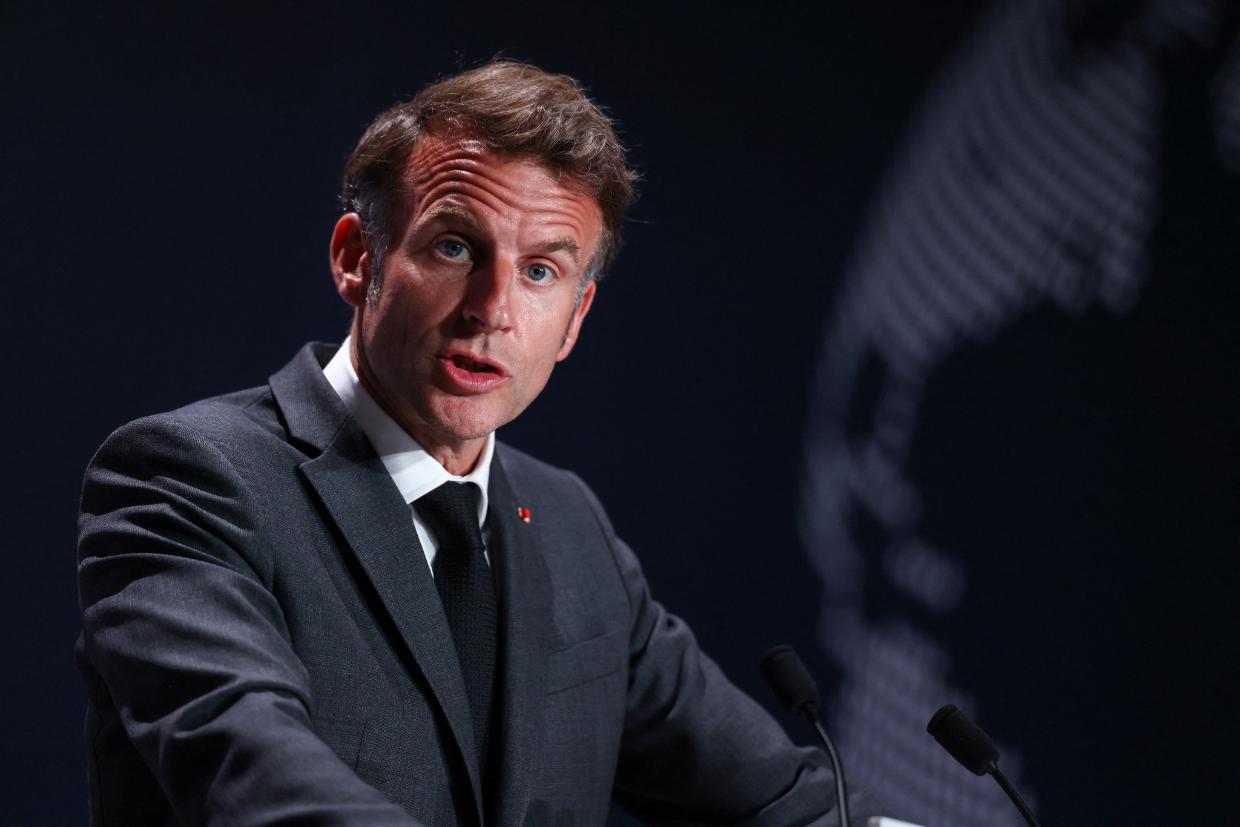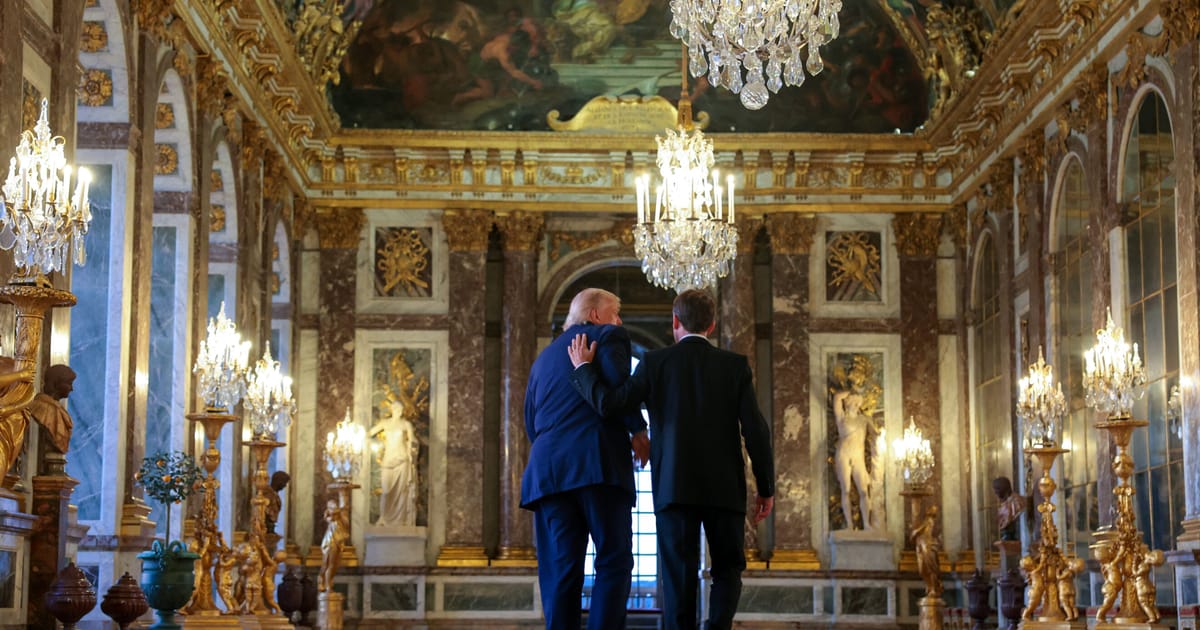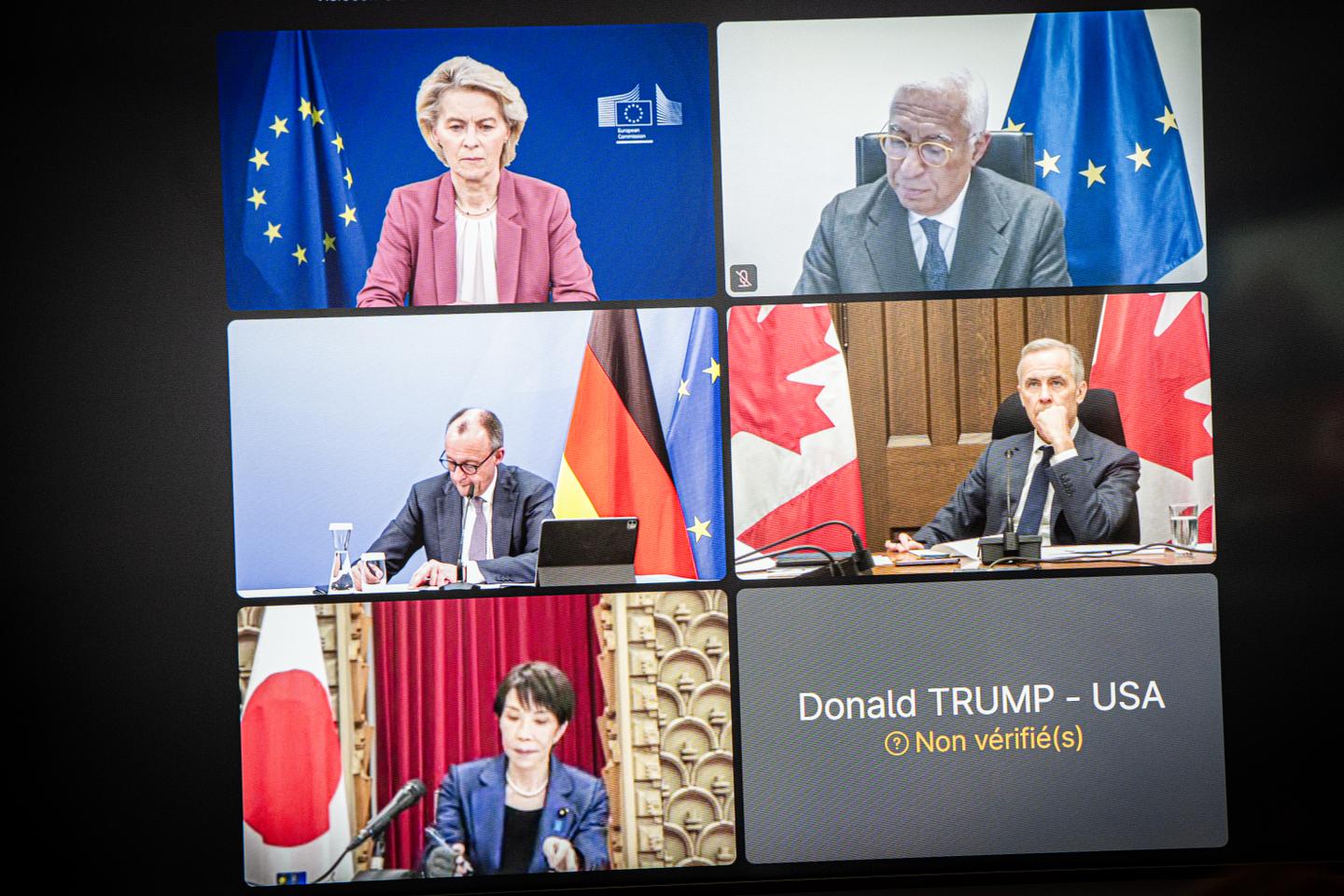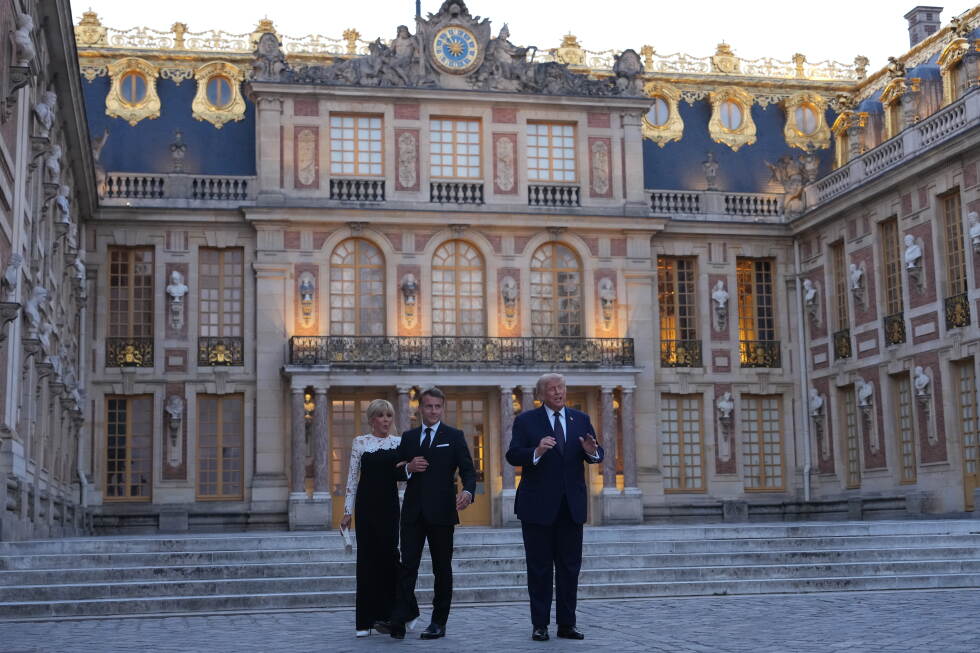
onald Trump generously gave Emmanuel Macron an eight out of 10 on Monday, March 16, after he spoke with him by phone, clarifying that the country was "not perfect" – but after all, it's France: "We don't expect perfect." To get a 10 out of 10, the French president would have had to comply with Trump's request, which the US president asked of his allies after two weeks of the war he launched with Israel, which now seems to have spiraled out of his control: to intervene militarily to open up the Strait of Hormuz, which Iran has closed.
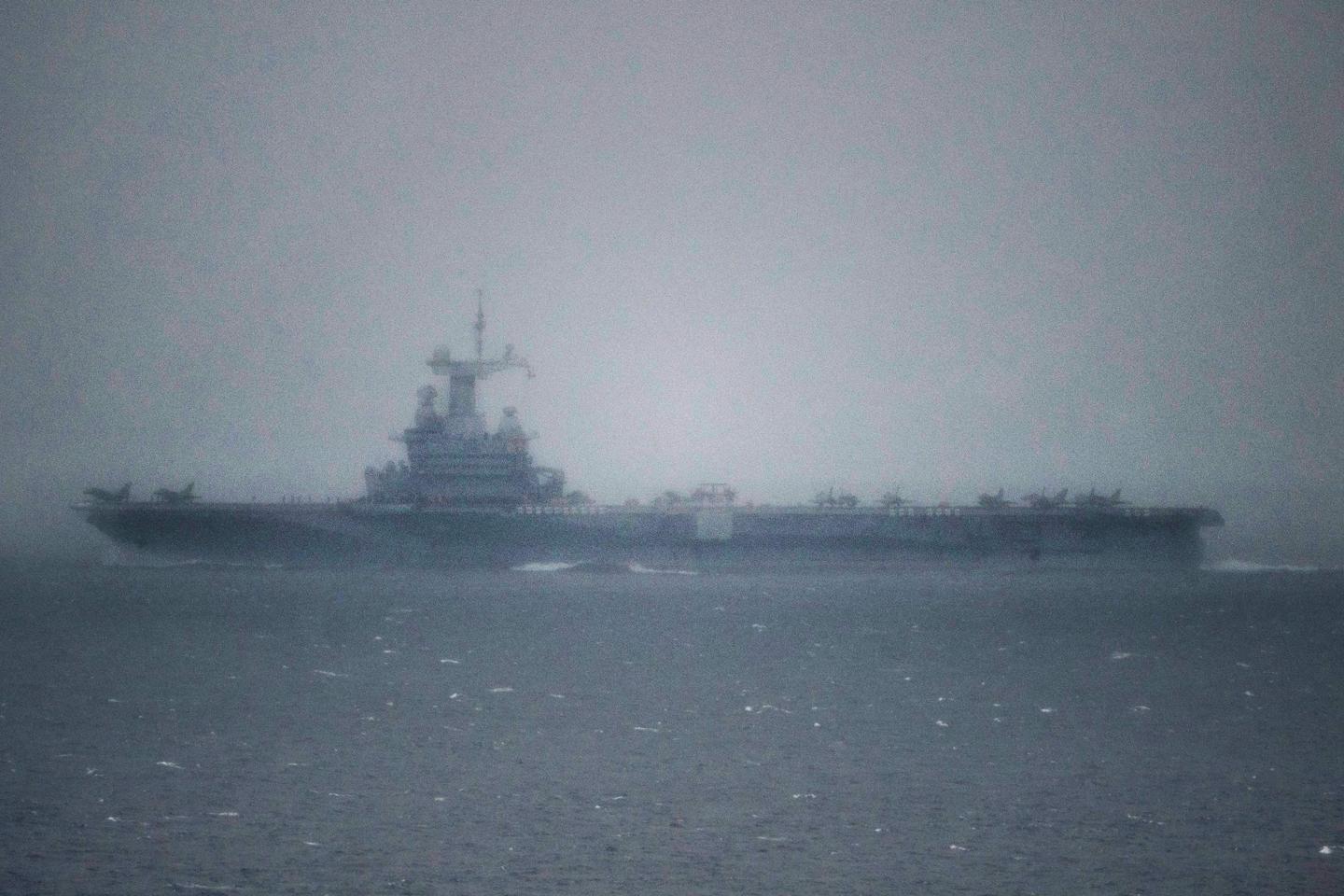
France's grade was not a complete zero because it has not been entirely inactive. It deployed a significant naval presence in the eastern Mediterranean, and President Macron likely told Trump by phone what he later clearly said on Tuesday, at the start of a new defense council meeting at the Elysée: The French navy could contribute to escorting ships through the strait, but only once the current intense phase of the war had ended. In the meantime, the French president specified that "we are not party to the conflict," one that "we did not choose."
The word "choose" was not used by accident. The war Trump launched against Iran is, fundamentally, a war of choice, as opposed to a war of necessity, like the one Ukraine has been fighting for over four years now, with European support, to defend itself against Russian aggression. "No to war," said Spanish Prime Minister Pedro Sanchez. The United Kingdom "will not be drawn into the wider war," said British Prime Minister Keir Starmer.