The US has overwhelming military power. Yet the battle has moved to oil routes, alliances and domestic politics – where Tehran is testing western unity
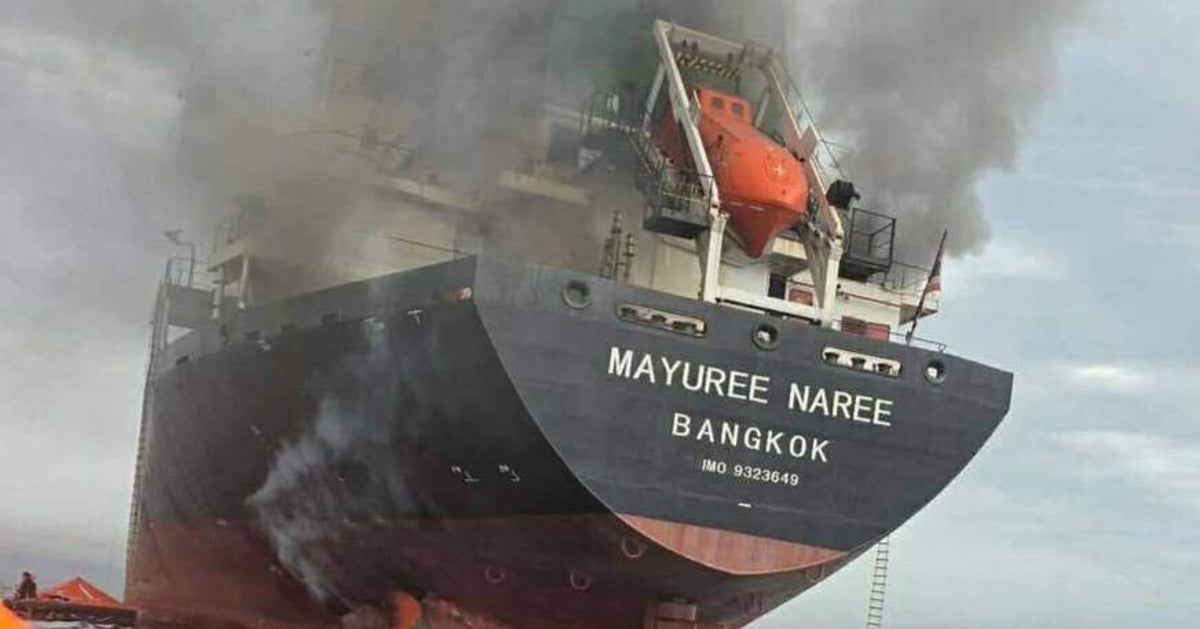
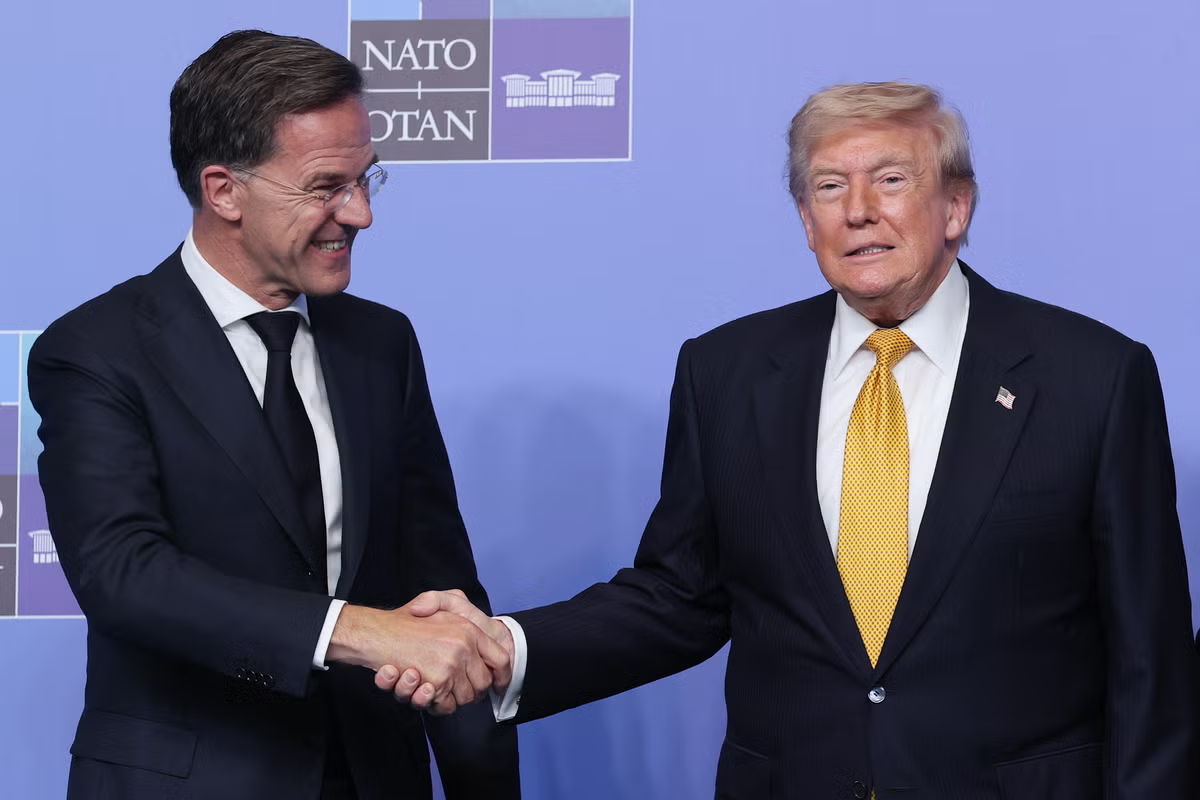
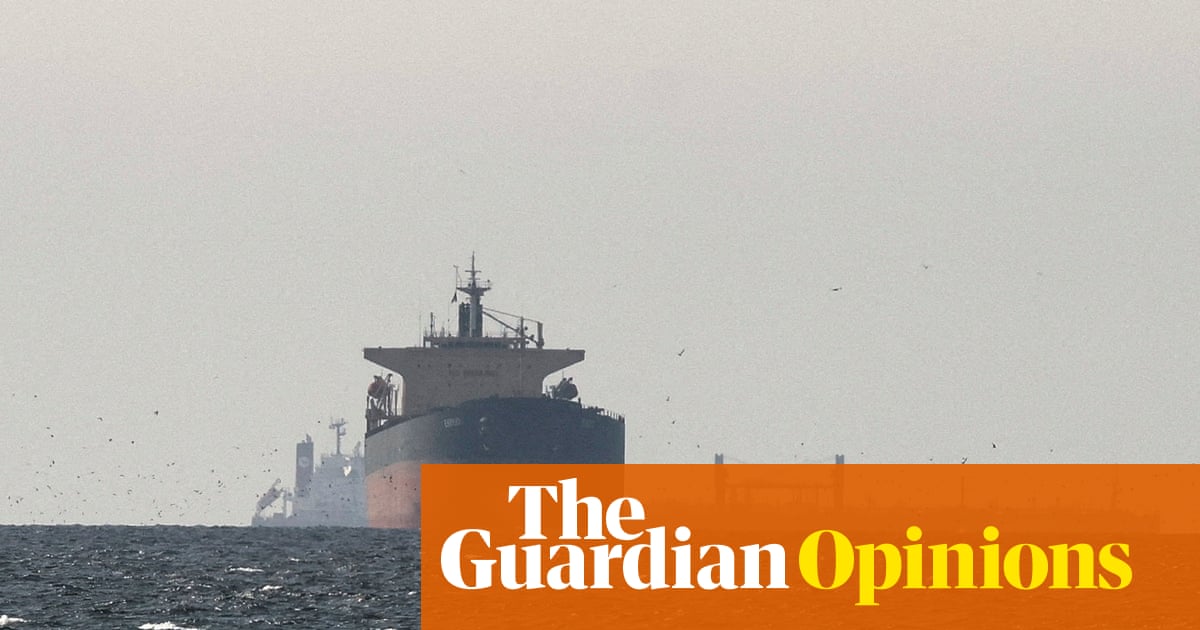
onald Trump would like you to know that he is winning the war with Iran. So comprehensively, in fact, that he now needs Nato’s help. The western alliance, he warns, will have a “very bad” future if its members refuse. Germany’s defence minister had a brisk reply: this is not our war. Meanwhile, tankers pile up outside the strait of Hormuz as Britain promises, in an understated way, to keep “looking” at its options. Mr Trump has found out that starting a war without a coalition of the willing is easier than finishing one with it.
Along with Israel’s Benjamin Netanyahu, the US president started with an illegal attack on Iran in which the country’s supreme leader was assassinated. American forces have established overwhelming military superiority. By hitting military targets but sparing key oil facilities on Kharg Island, Mr Trump is sending a blunt signal: the US can wreck Iran’s economy. It just hasn’t decided to – yet.
He is signalling that things will get worse unless Tehran negotiates. Bad things have already happened. On the charge sheet is the sinking of an Iranian frigate in international waters and the bombing of a school that reportedly killed 168 people, mostly young girls. No wonder allies balk at fighting what the Pentagon chief, Pete Hegseth, proudly calls a politically incorrect war.