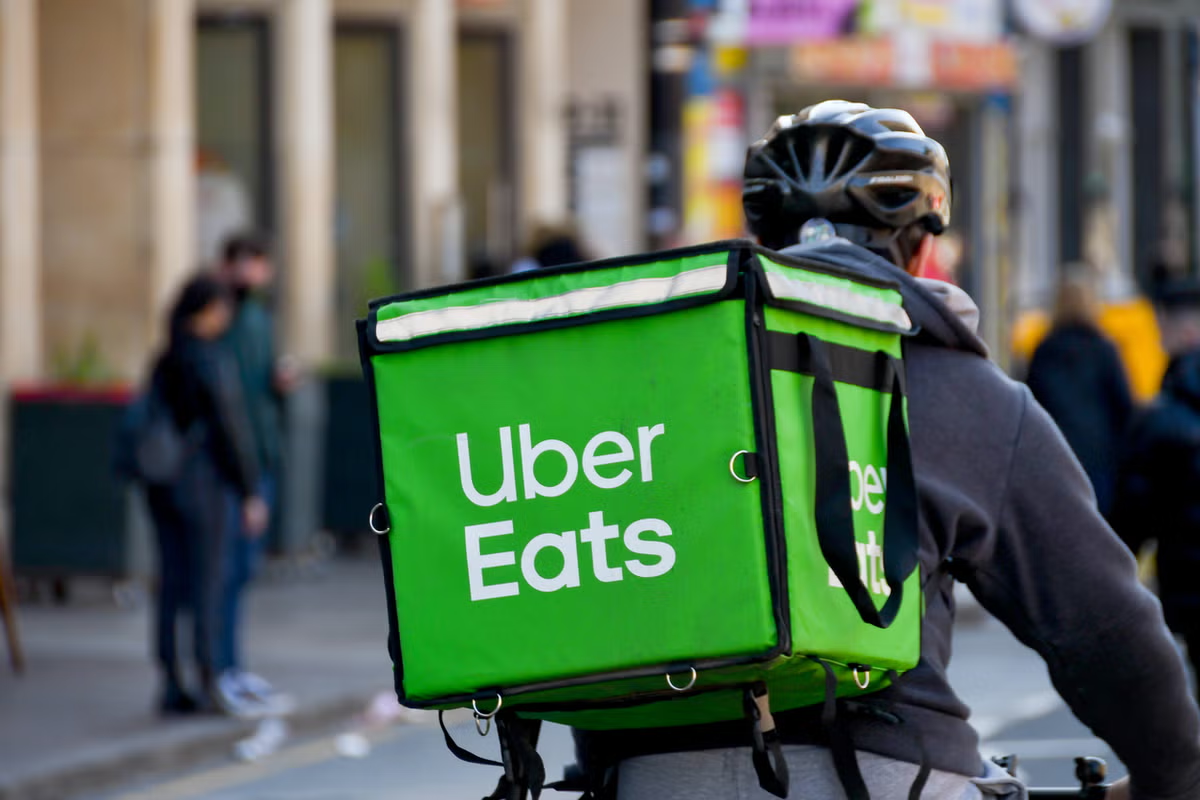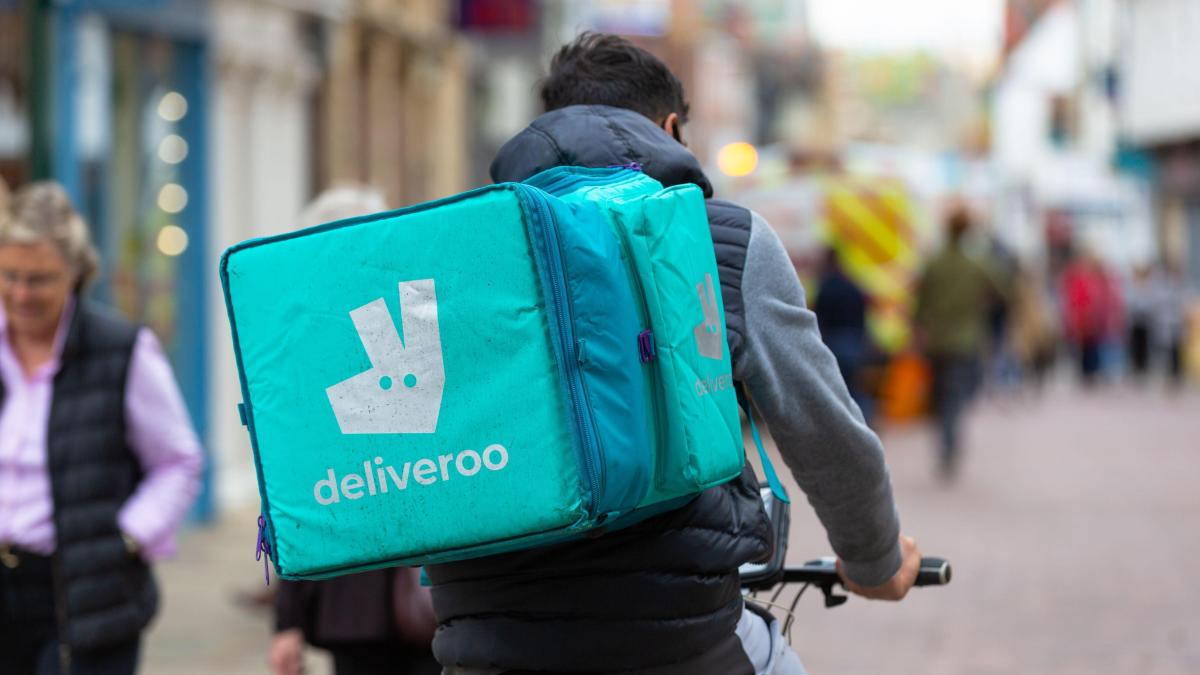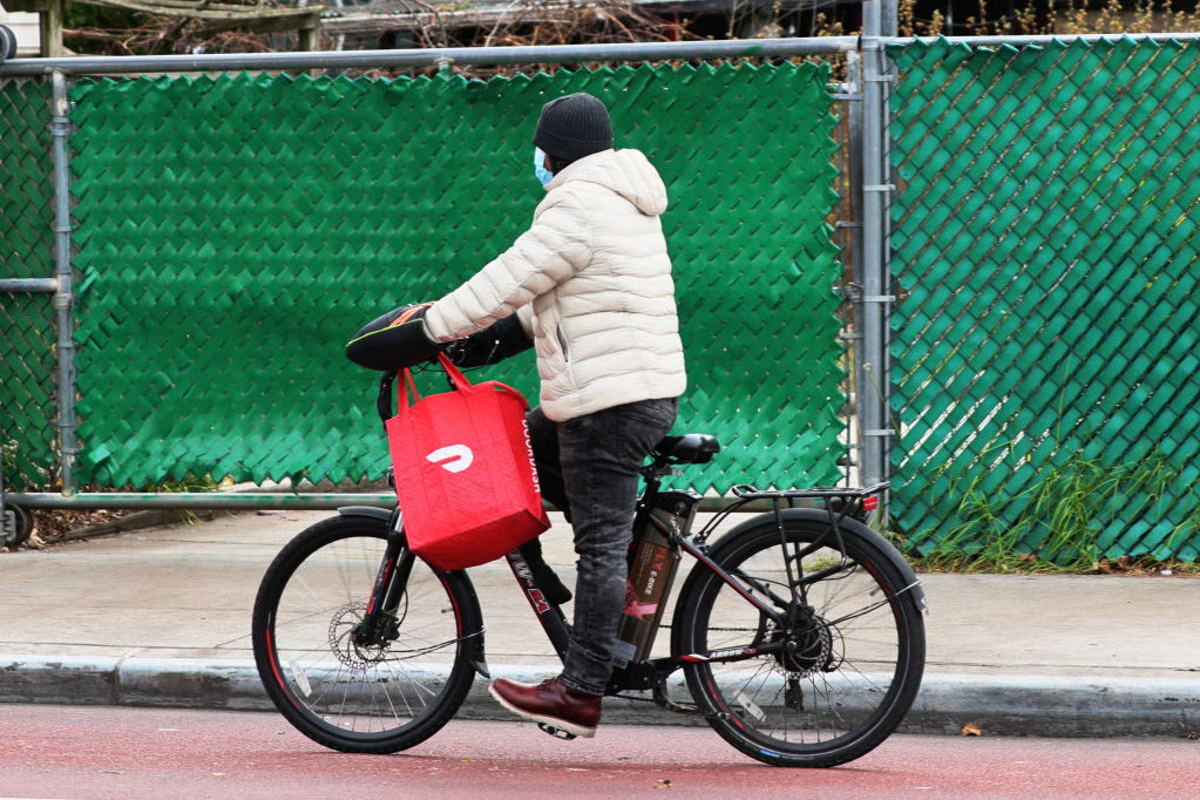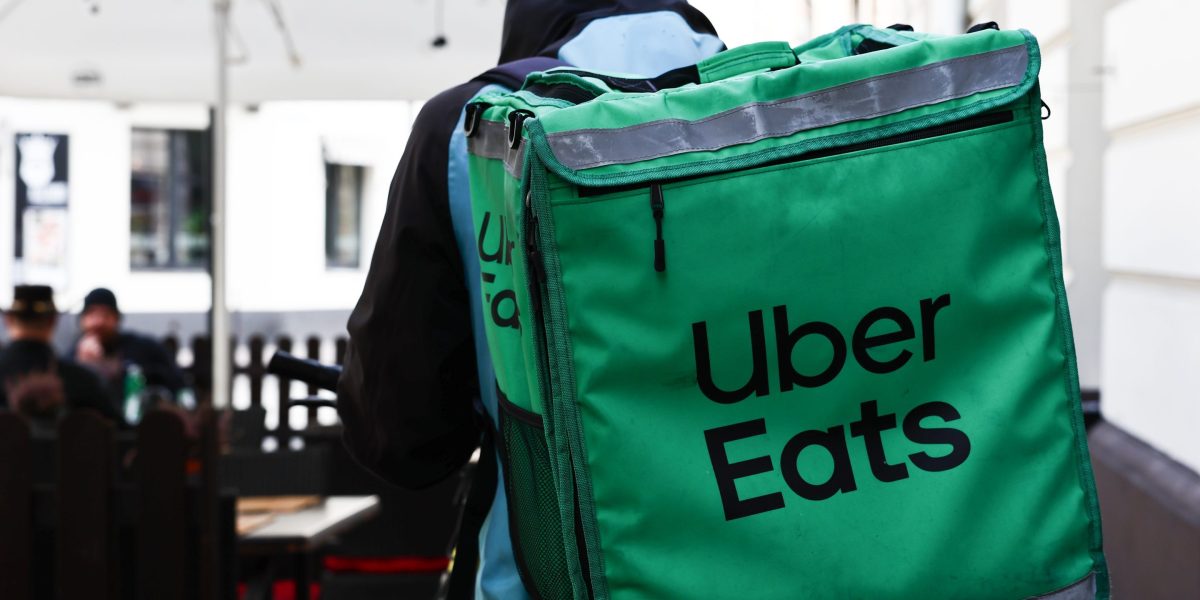
If you’ve ever ordered food through DoorDash, Uber Eats or Instacart, you may have realized the person who delivers it isn’t a salaried employee. They’re gig workers – independent contractors who pick up delivery tasks through an app, get paid per delivery and have no guaranteed hours, benefits or minimum wage protections.
Policymakers in several cities have tried to change that.
Seattle is a good example. In January 2024, the city implemented a law requiring delivery apps to pay drivers a minimum rate for each task: a combination of per-minute and per-mile minimum compensation that set a floor of US$5 per delivery.
The goal was straightforward: ensure that the people bringing you your lunch earn a decent living.
We are labor economists who have extensively studied the emergence of the gig economy and previous policy efforts designed to provide economic security to workers in unstable employment situations. We wanted to know how new gig economy regulations like the one in Seattle were playing out in practice.