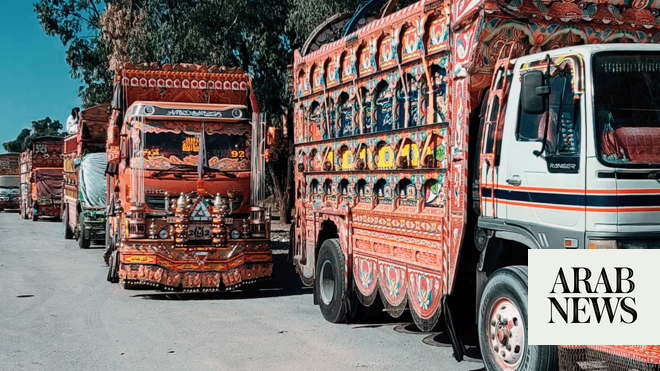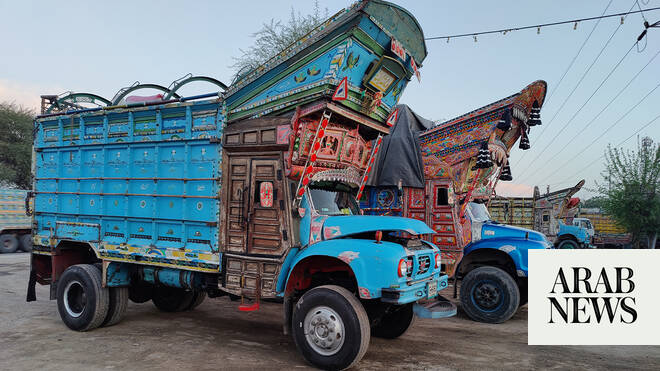
ISLAMABAD: Minutes before the sun began to set over the Grand Trunk (GT) Road this week, 59-year-old Khan Zahid steered his Bedford truck toward Bismillah Hotel.
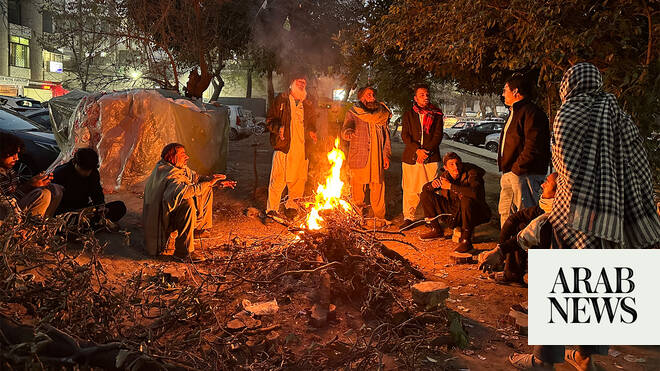
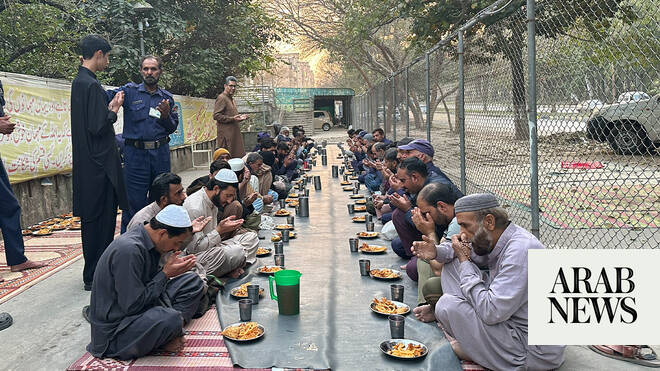
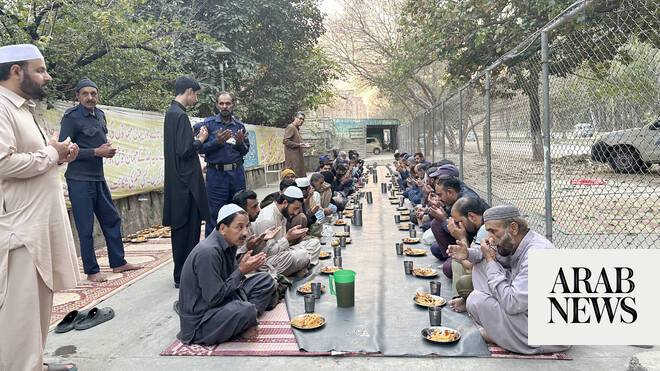
For Zahid, a veteran of Pakistan’s highways, roadside eateries such as the one near Rawat, a town on the outskirts of the Pakistani capital Islamabad, are not a choice but a necessity. Thousands of truckers across the country find themselves in similar roadside stops, also known as dhabas, each evening, pausing their grueling journeys to observe iftar, the ritual breaking of the fast during the holy month of Ramadan.
“While traveling on the road, wherever the time of iftar comes, we stop there, ten, fifteen, twenty minutes before,” Zahid told Arab News, his face weathered by decades on the road. “Then after doing iftar, eating a meal, offering prayer, we set off again on our journey.”
For Muslims, Ramadan is a month of intense spiritual reflection and sacrifice, where the faithful abstain from food and water from dawn until sunset. Iftar is traditionally a communal affair, a time for families to gather around a spread of dates, fried savory snacks and cooling drinks. But for the men who navigate Pakistan’s primary trade arteries, the communion is often shared with strangers under the open sky on charpoys amid the roar of passing engines.