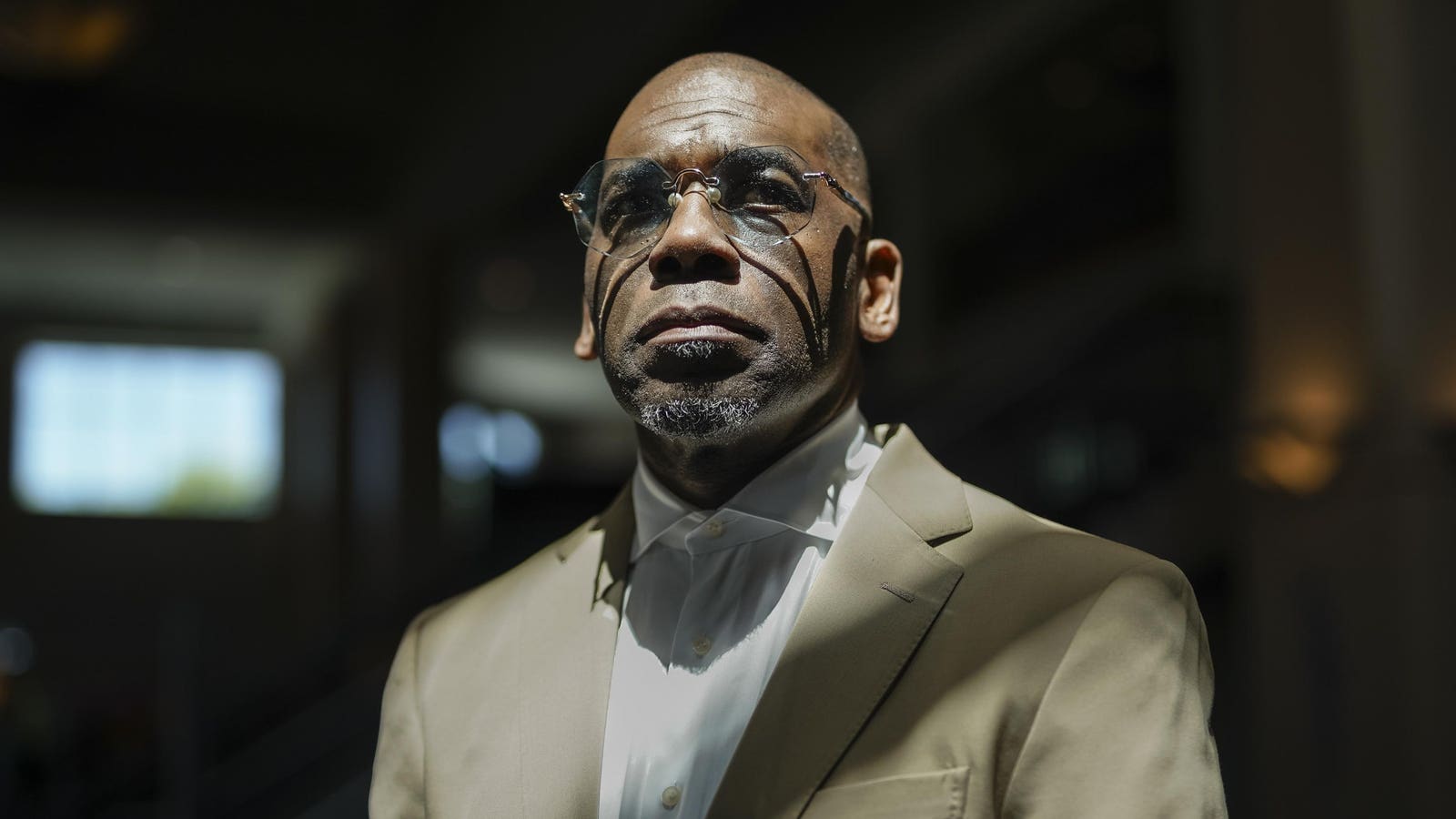
When Atlanta pastor Jamal Harrison Bryant called off his yearlong Target fast, the announcement set off fireworks.
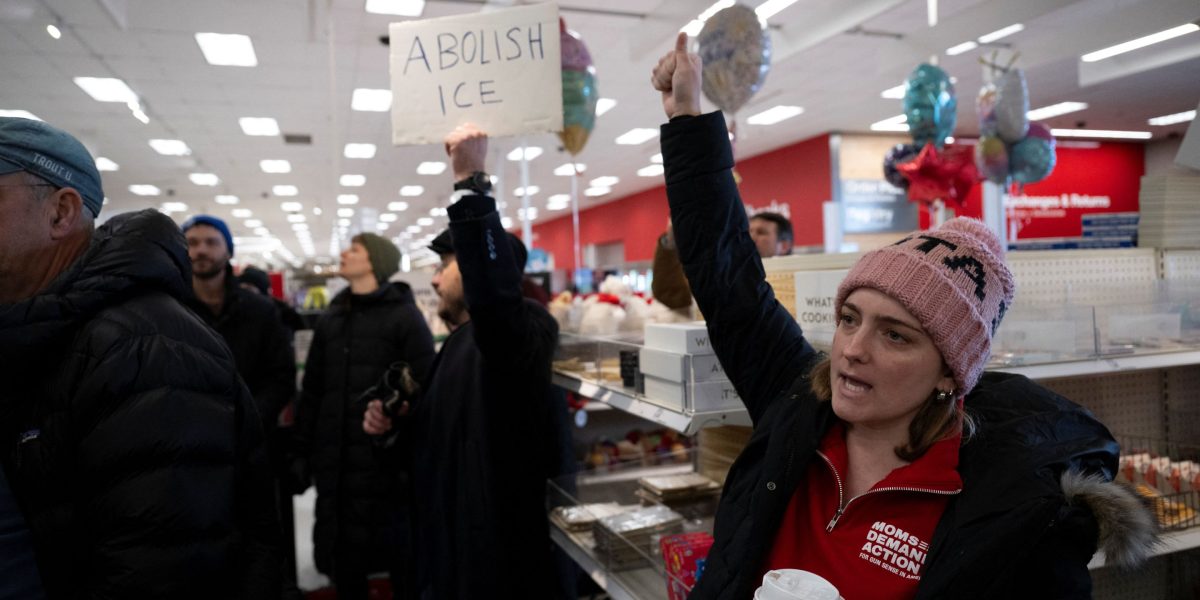
At a hastily convened news conference in front of Target’s Minneapolis headquarters on March 11, grassroots activists denounced Bryant and told the world the nationwide boycott over the company’s rollback of diversity, equity and inclusion was not his to end. Target shoppers – especially Black women – mobbed his Instagram page to say he didn’t speak for them.
Two days later on his podcast “Let’s Be Clear,” Bryant conceded he “misread the room.”
“I was reading from a different sheet of music,” he said. “I wanted to apologize to you for being a leader that was out of touch with what it is that the community…were demanding.”
When Target scrapped its DEI policies shortly after President Donald Trump took office, boycotts sprang up across the country. From church pulpits to community gatherings, the policy U-turn was widely viewed as a betrayal of Black Americans who had propped up the retail giant's fortunes.