https://arab.news/p76xw
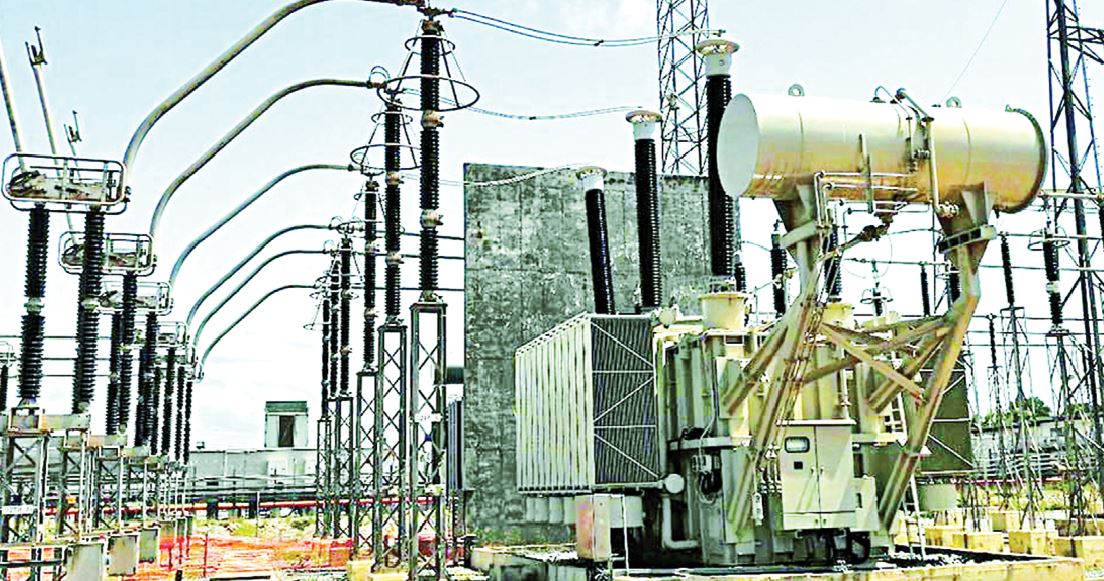
Since the turn of the century, India has nearly doubled the share of its households that are connected to electricity, from 56 percent in 2000 to almost 100 percent today. In doing so, it has made one of the world’s largest contributions to reducing the global electricity deficit, from 1.4 billion people to 700 million. Now, Nigeria — currently among the countries with the largest unelectrified population globally — might be on the cusp of a similar energy transformation.
At a time of heightened global uncertainty, escalating climate pressures and rapid technological change, energy security and economic growth depend on systems that are integrated, resilient, home-grown, digitally enabled and investable at scale.
That is a tall order. But policymakers and investors increasingly appear to be committed to fulfilling it. And at three events last month — the India AI Impact Summit in New Delhi, Mumbai Climate Week and the African Union Summit in Addis Ababa — leaders discussed their experiences and exchanged insights that can support progress.
All components of energy systems should be planned and managed in a coherent, holistic manner