Governments in countries heavily reliant on Middle Eastern oil introduce measures to shield public from soaring costs
Middle East crisis – live updates
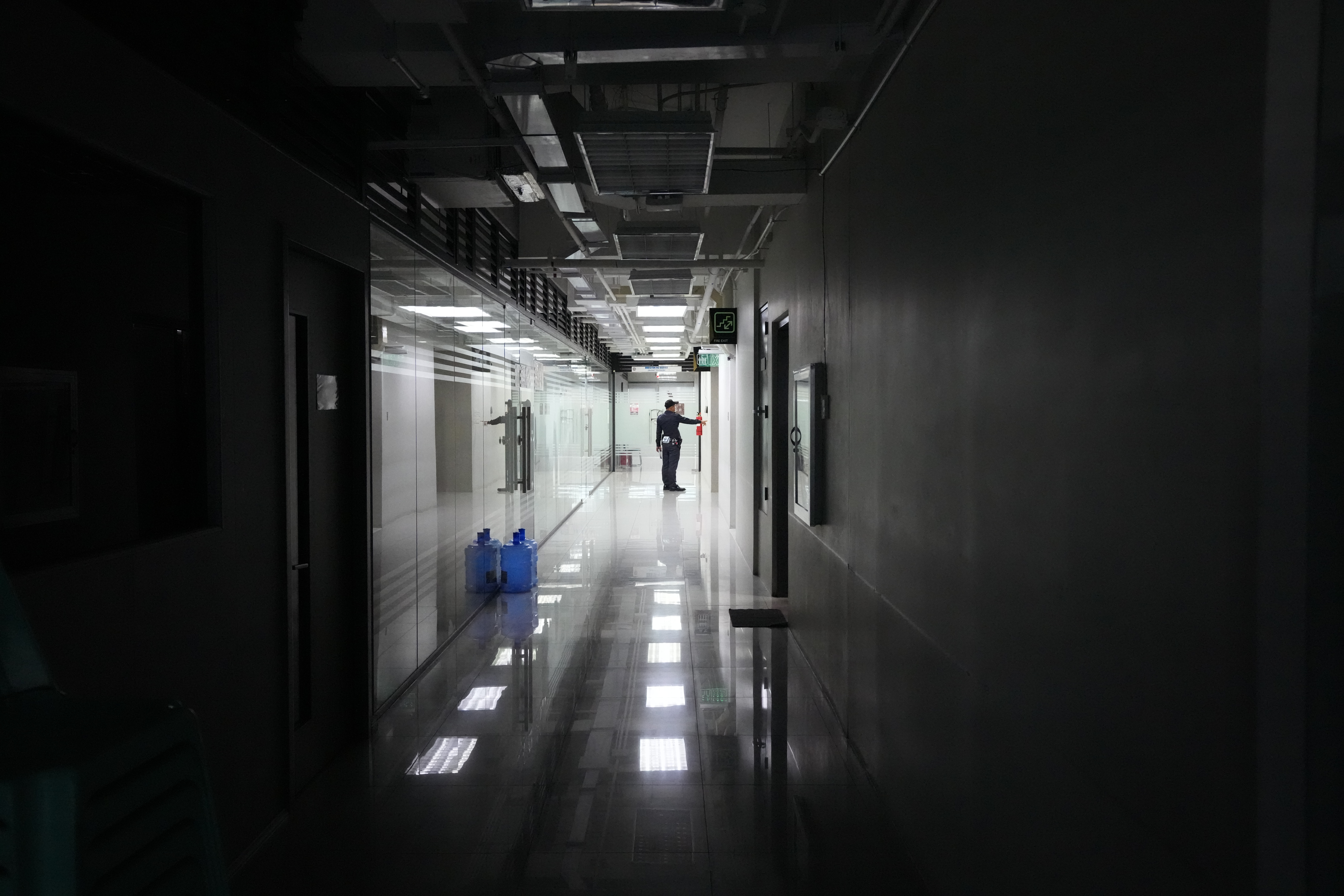
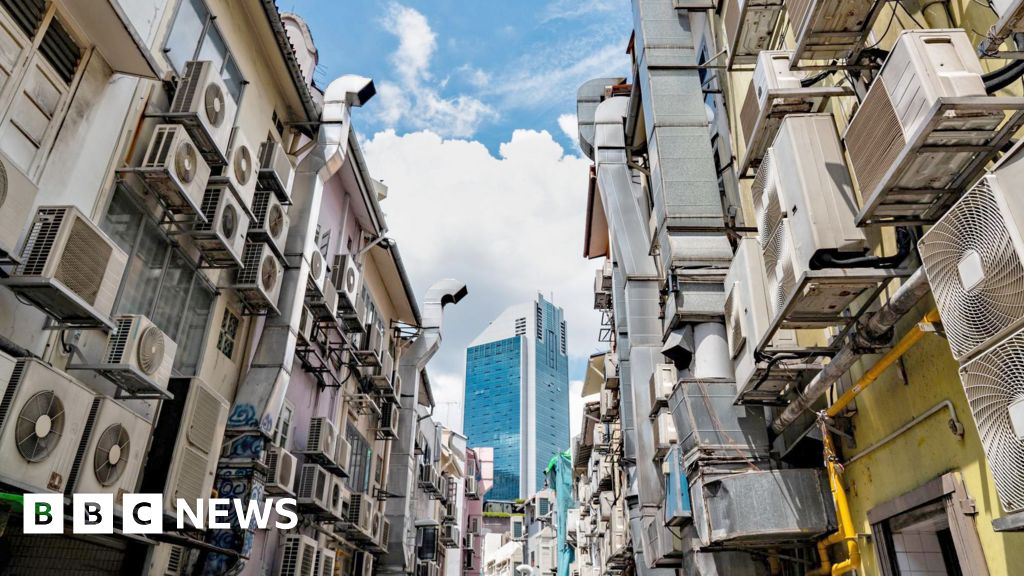
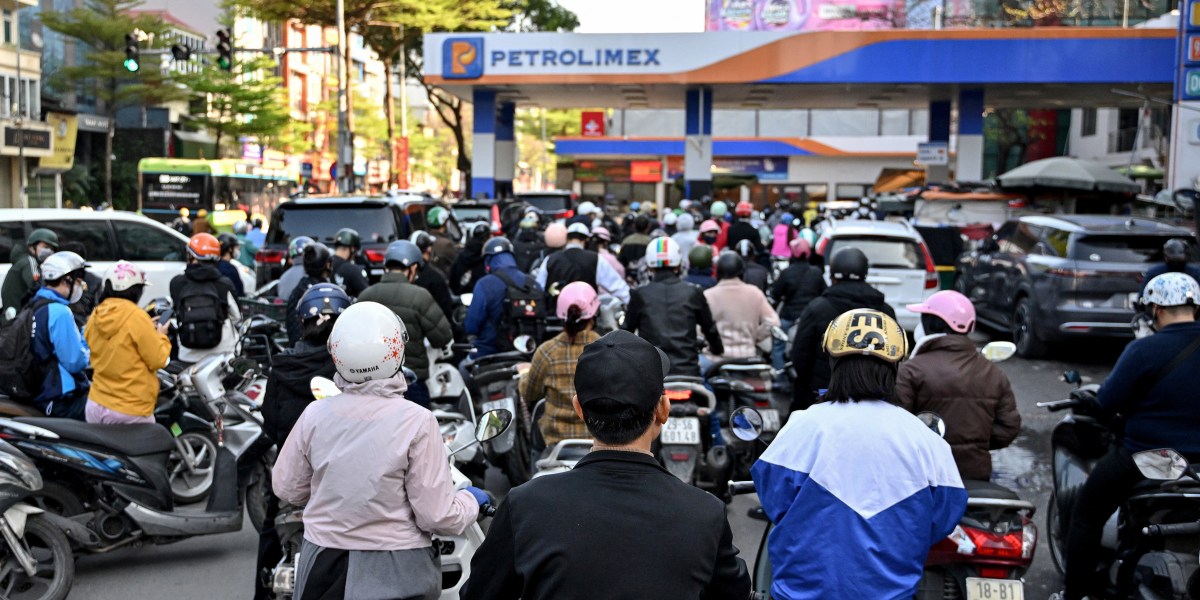
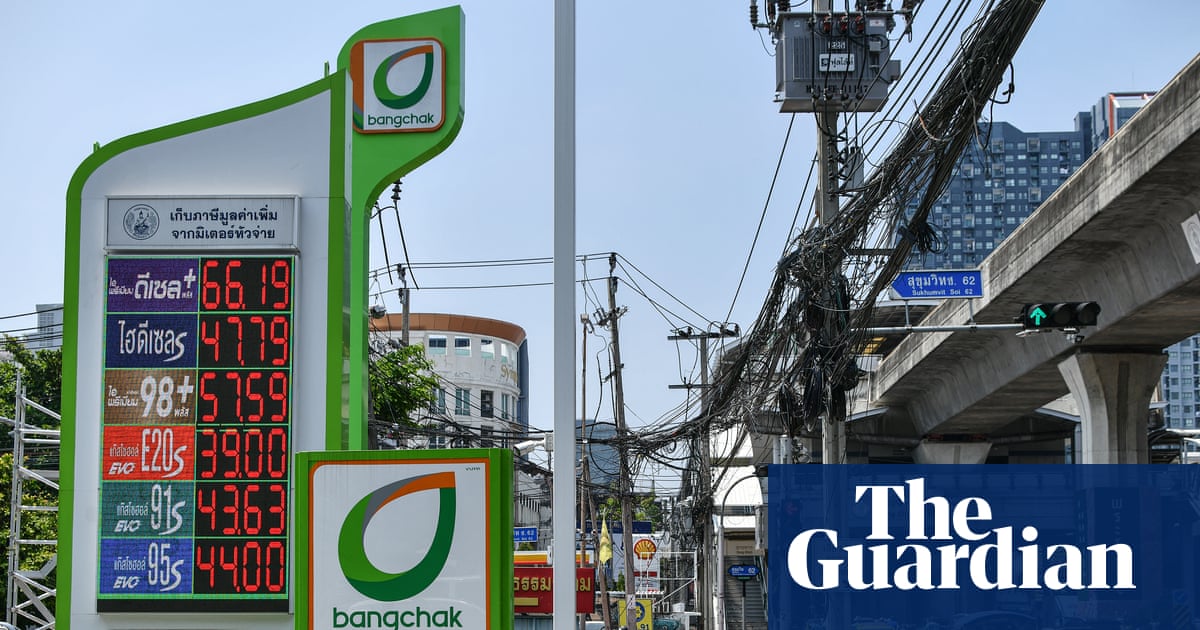
In Thailand, news anchors ditched their jackets on air as the government called on the public to reduce their use of air conditioning to save energy. In the Philippines, many government workers are now operating on a four-day week. In Vietnam, officials have urged employers to allow staff to work from home.
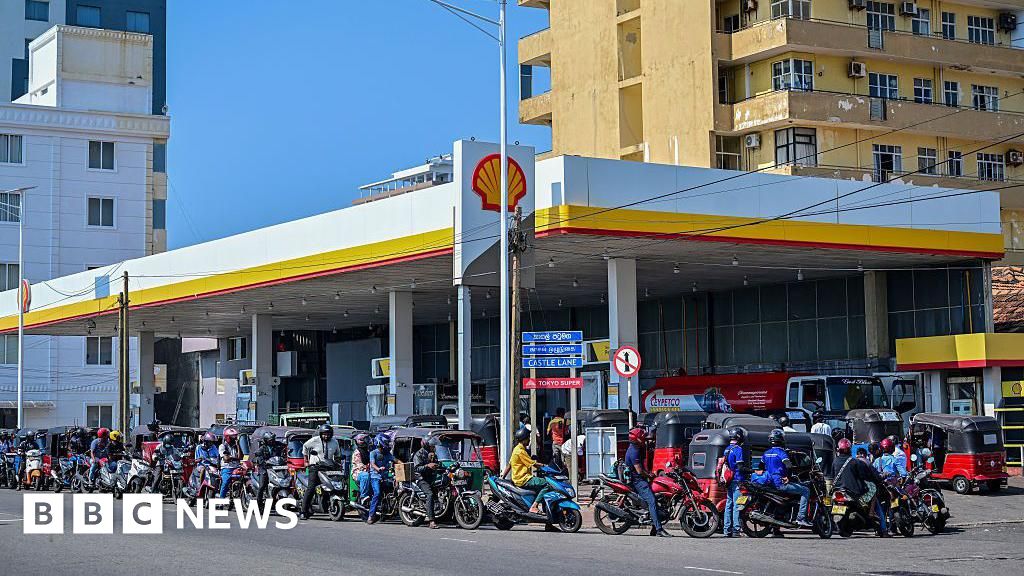
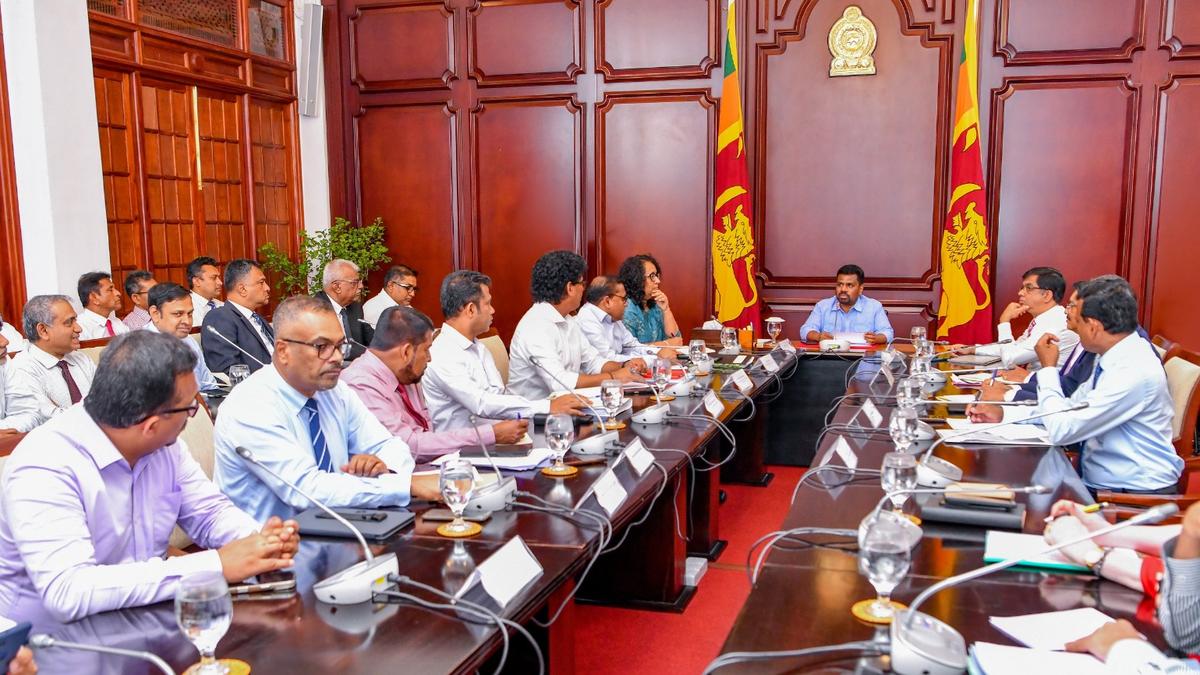
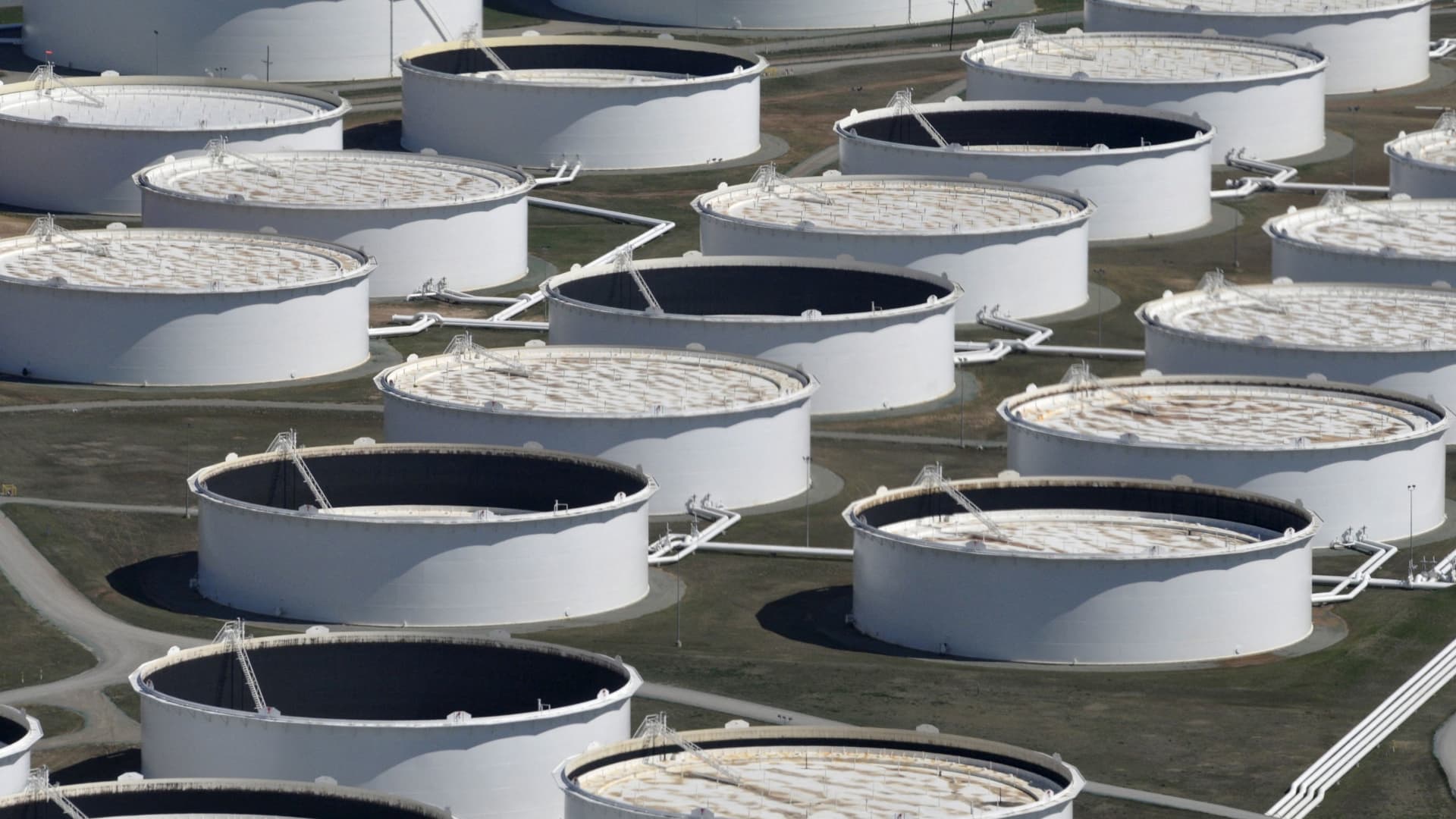
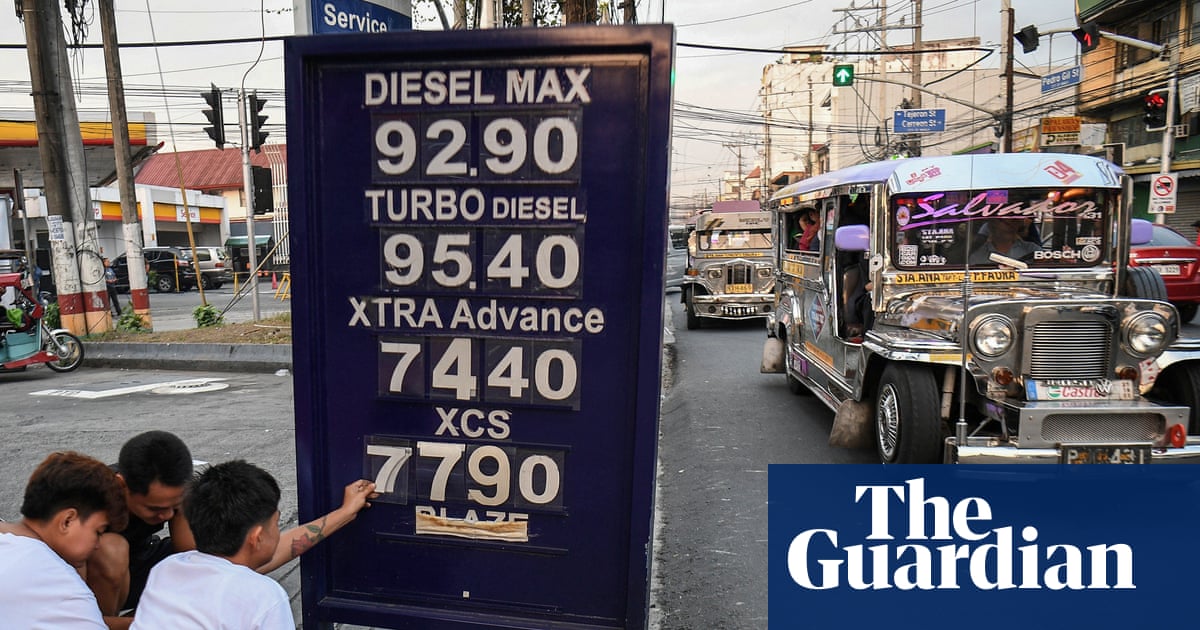
Across south-east Asia, governments are scrambling to find ways to conserve energy and shield the public from soaring costs as war in the Middle East causes what the International Energy Agency has described as the largest supply disruption in the history of the global oil market.
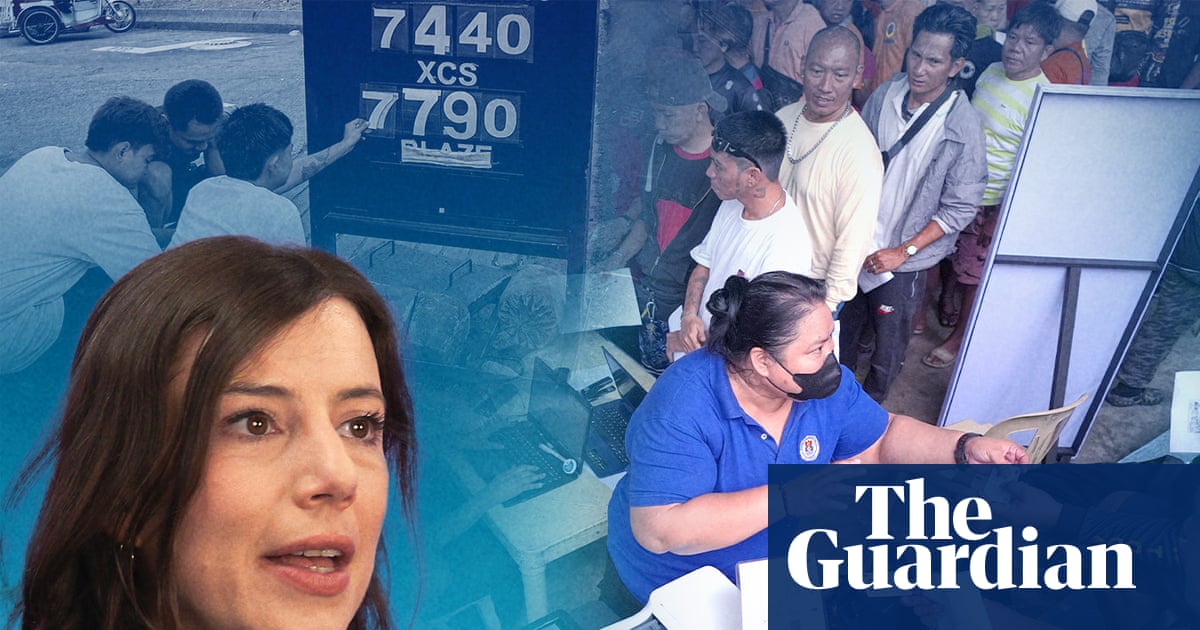
Asia, which relies heavily on imported energy, much of which passes through the strait of Hormuz, is acutely affected by the crisis. In the Philippines, which depends on the Gulf for 90% of its oil requirements, the government is introducing cash handouts for drivers of public transport vehicles, and has told government agencies to cut electricity and fuel use by between 10 and 20%.