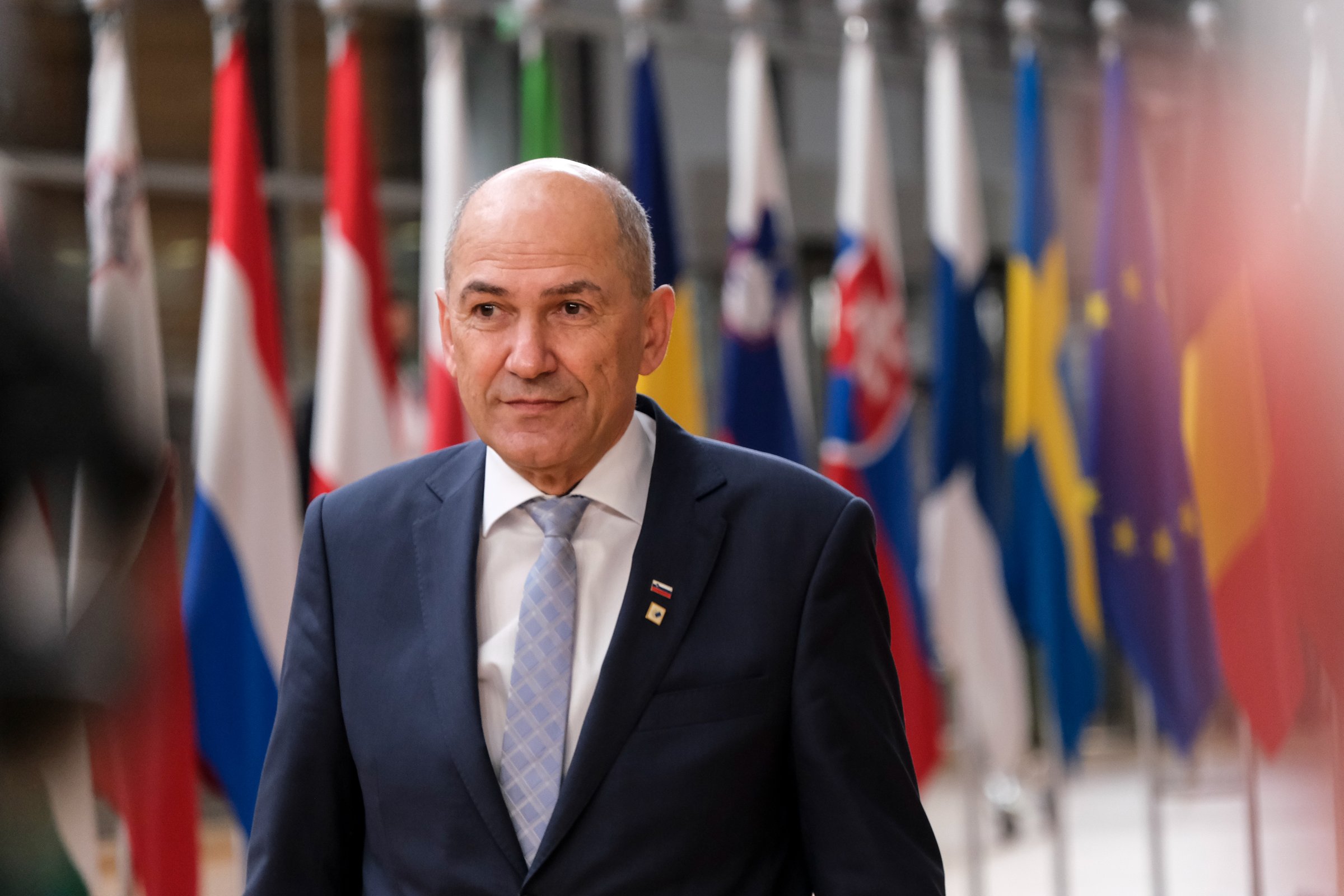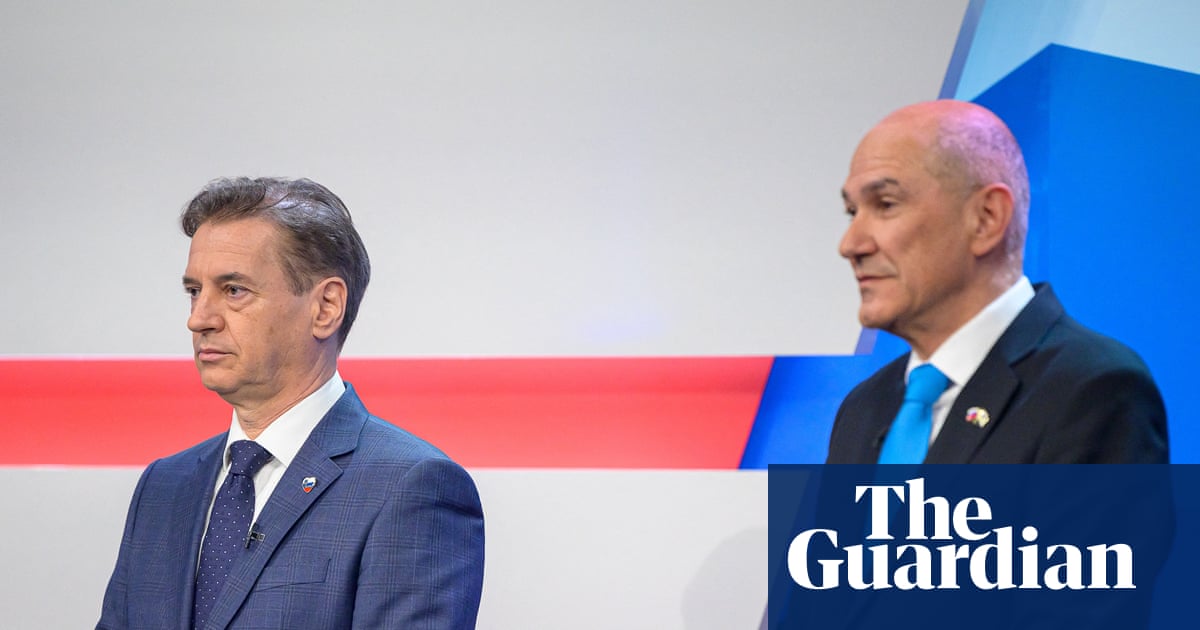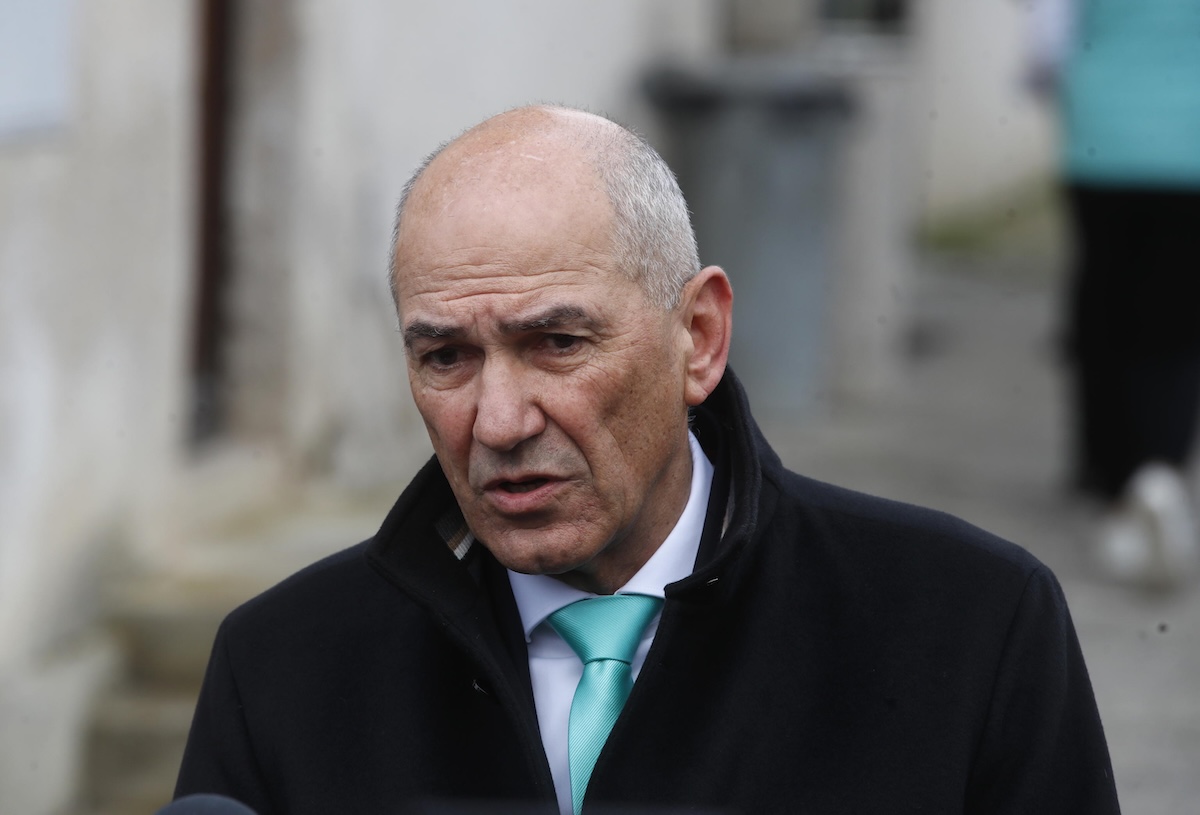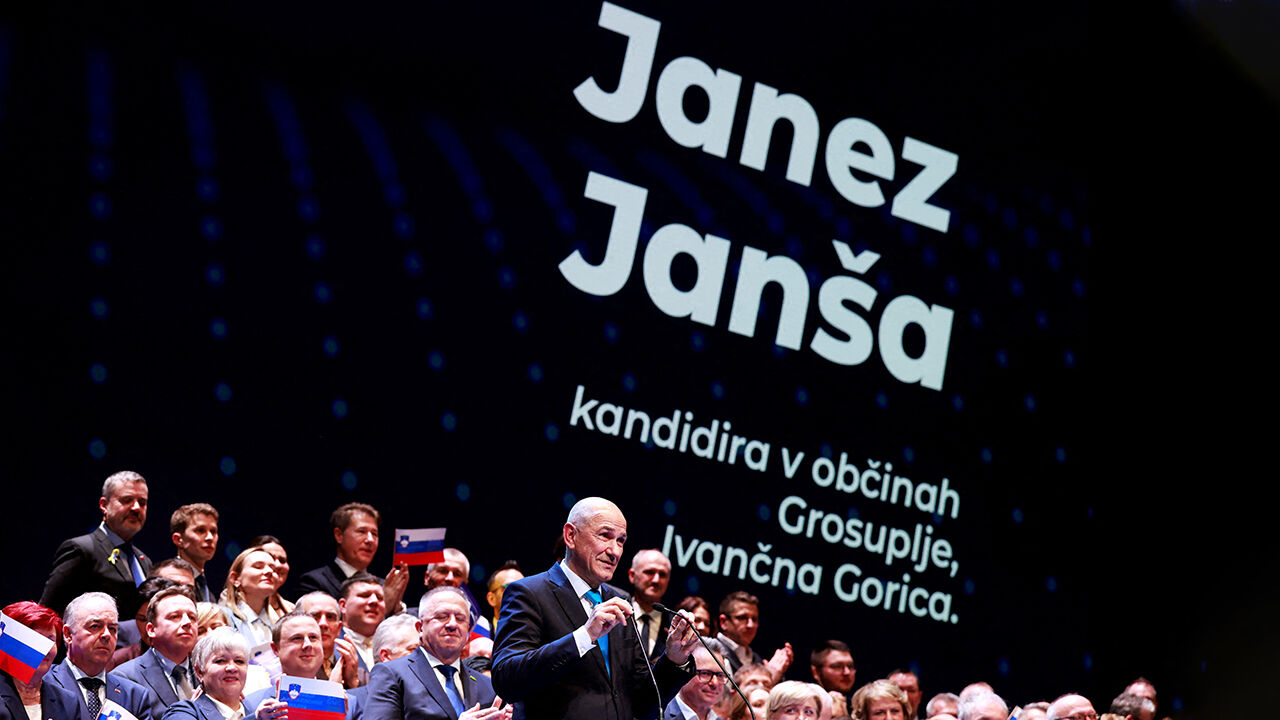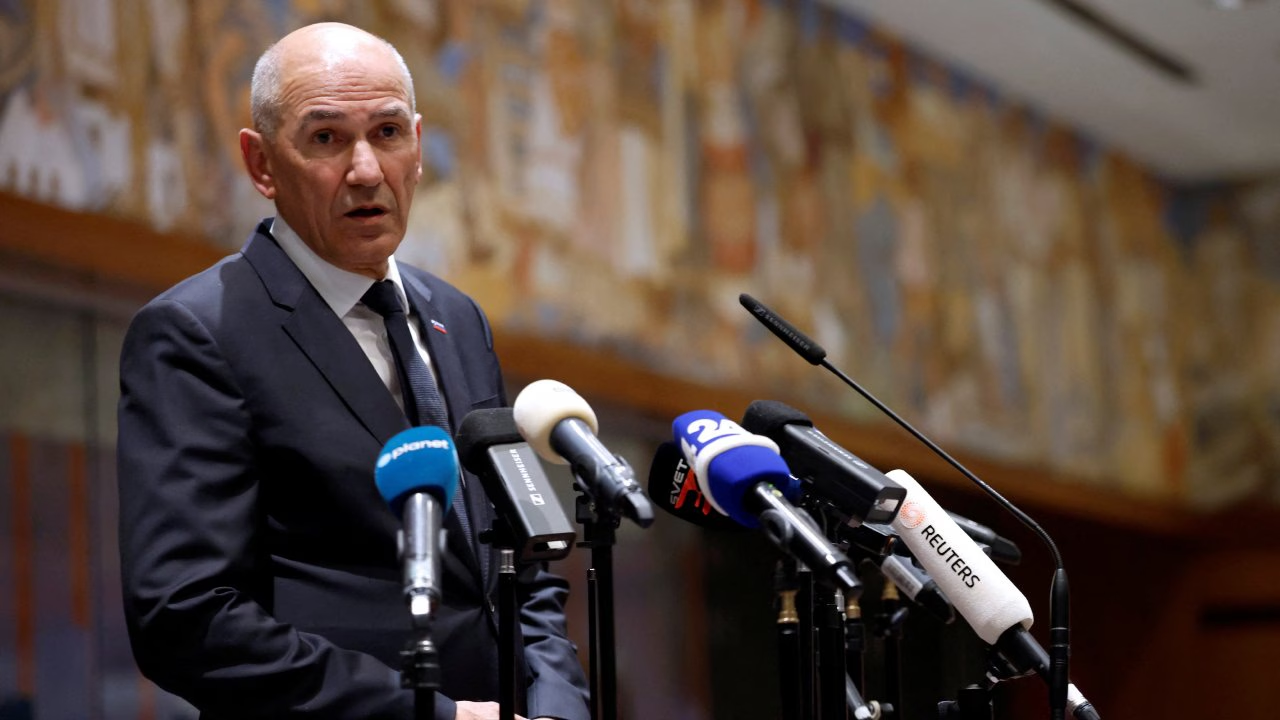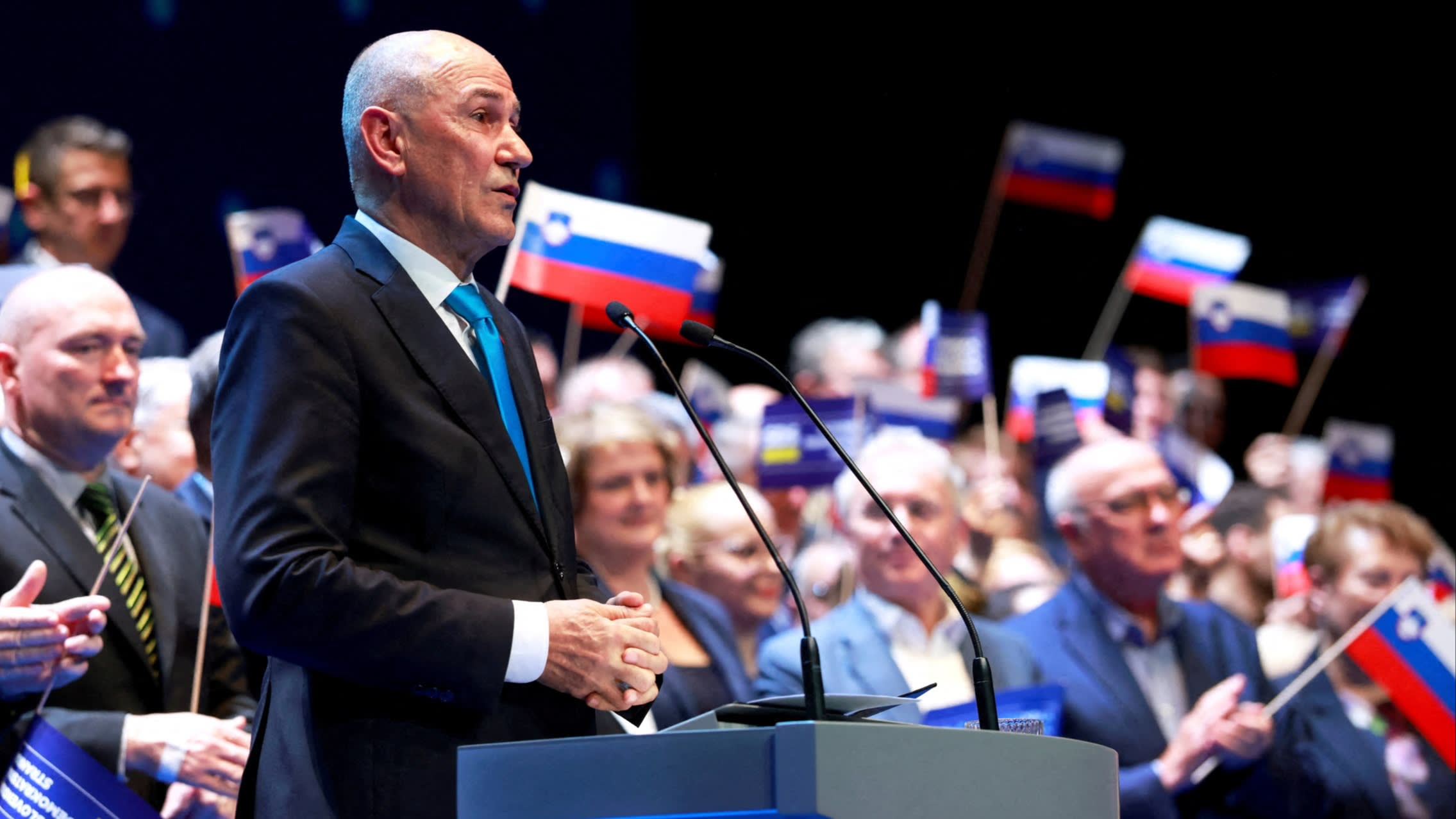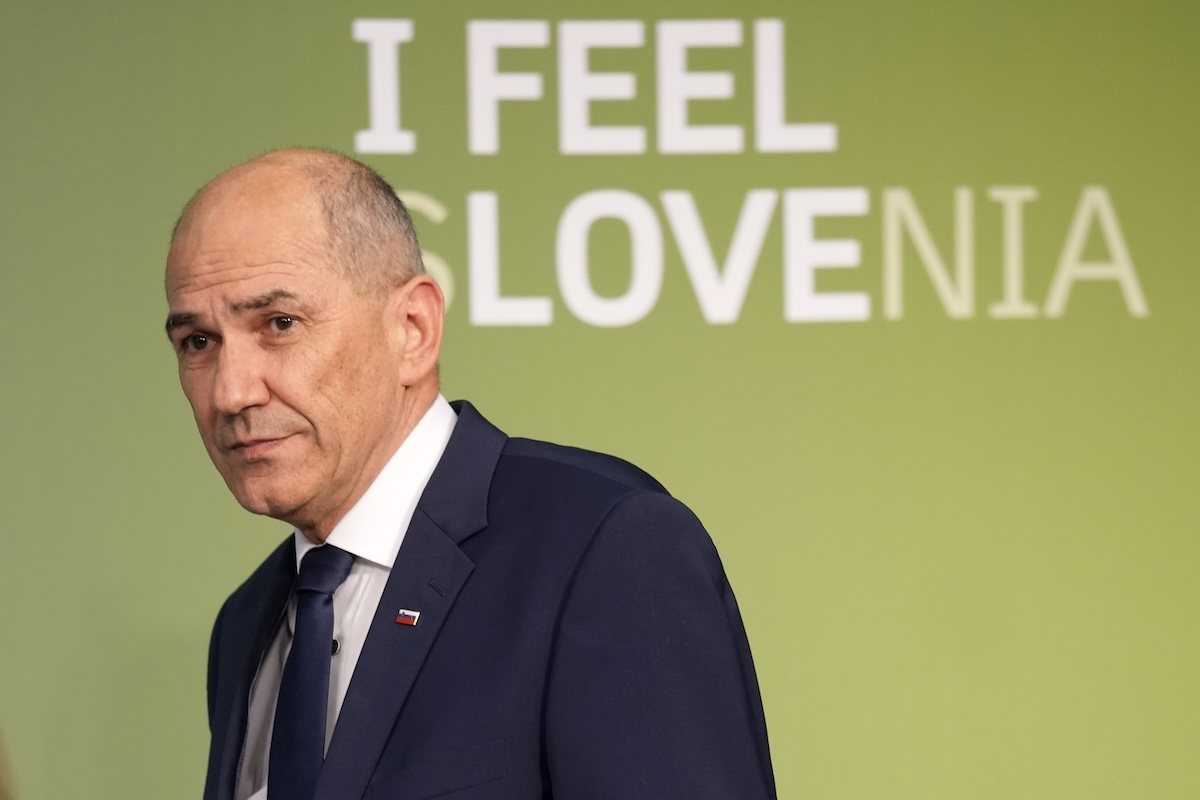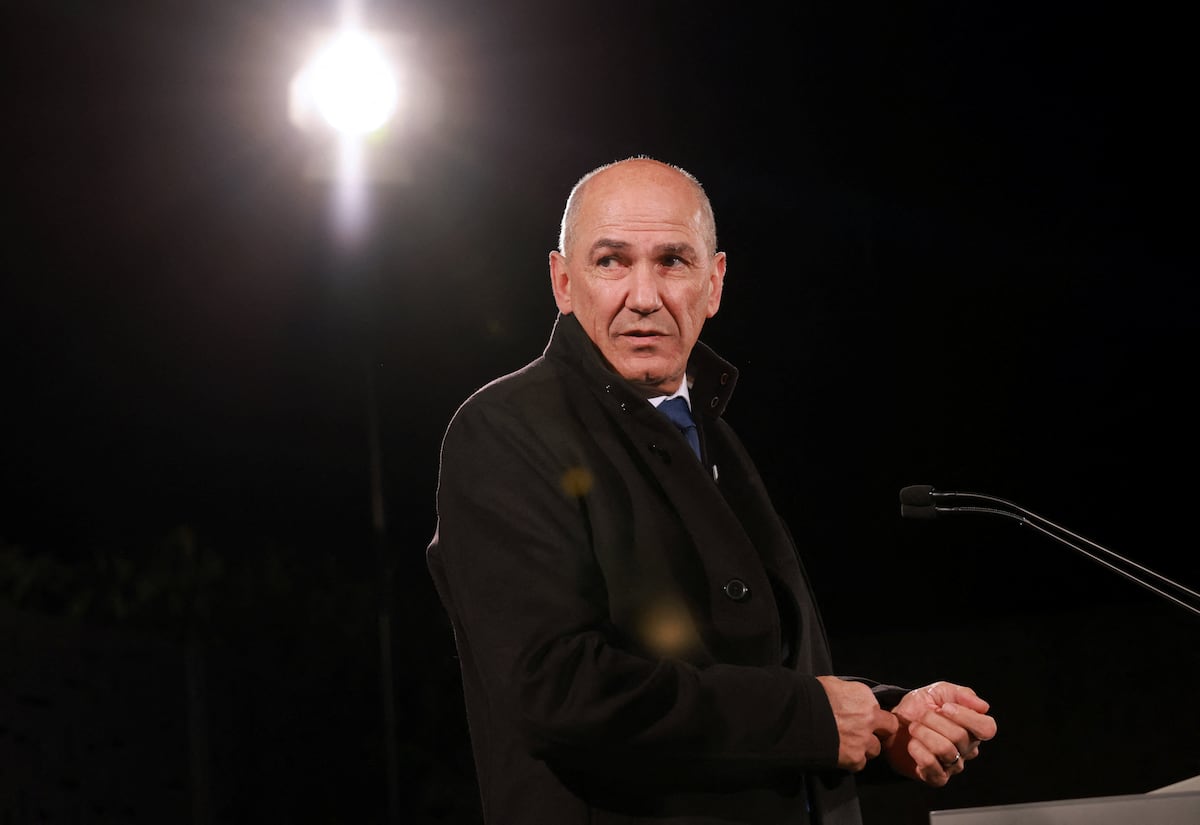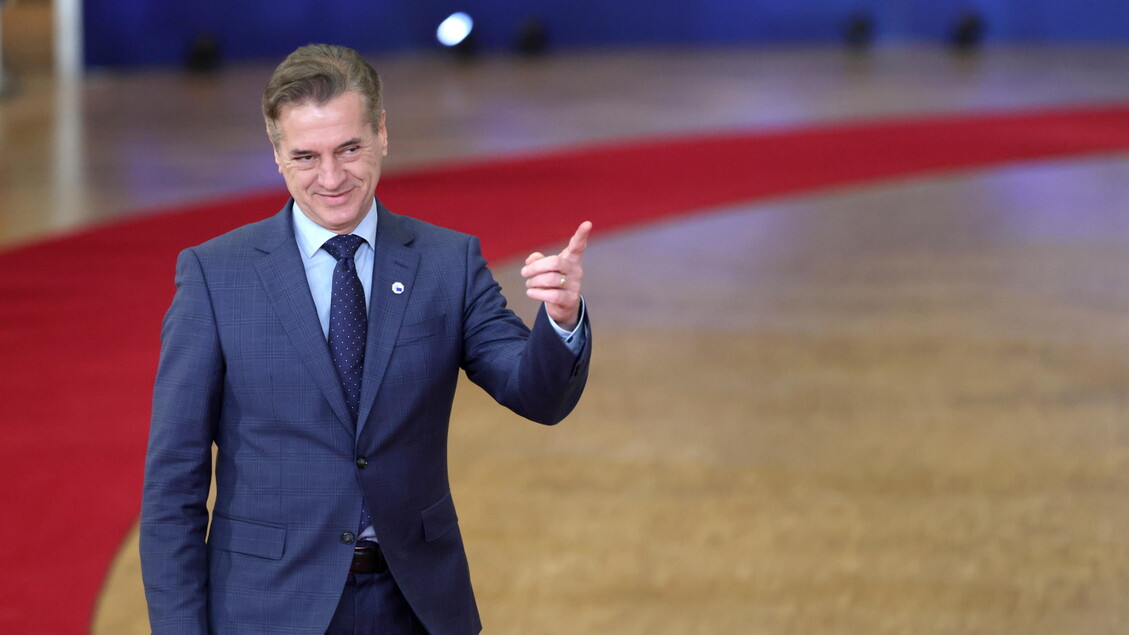
Armed with Orbán’s ruthless playbook and Trump’s political style, Janez Janša would be another illiberal threat to the EU if he wins on 22 March
S
troll through almost any town in Slovenia – or simply drive along its regional roads – and you can’t miss them. Posters cling to lamp-posts, bus stops and construction fences, proclaiming the triumphs of one political party or another. It is the unmistakable visual language of campaign season: Slovenia is heading to the polls.
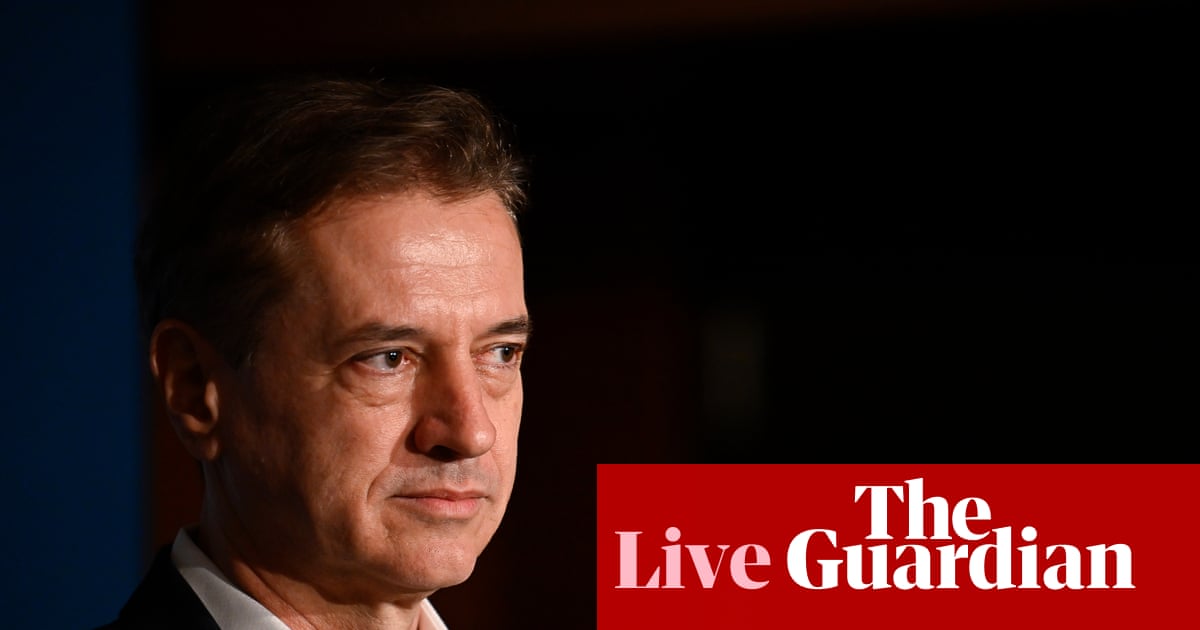
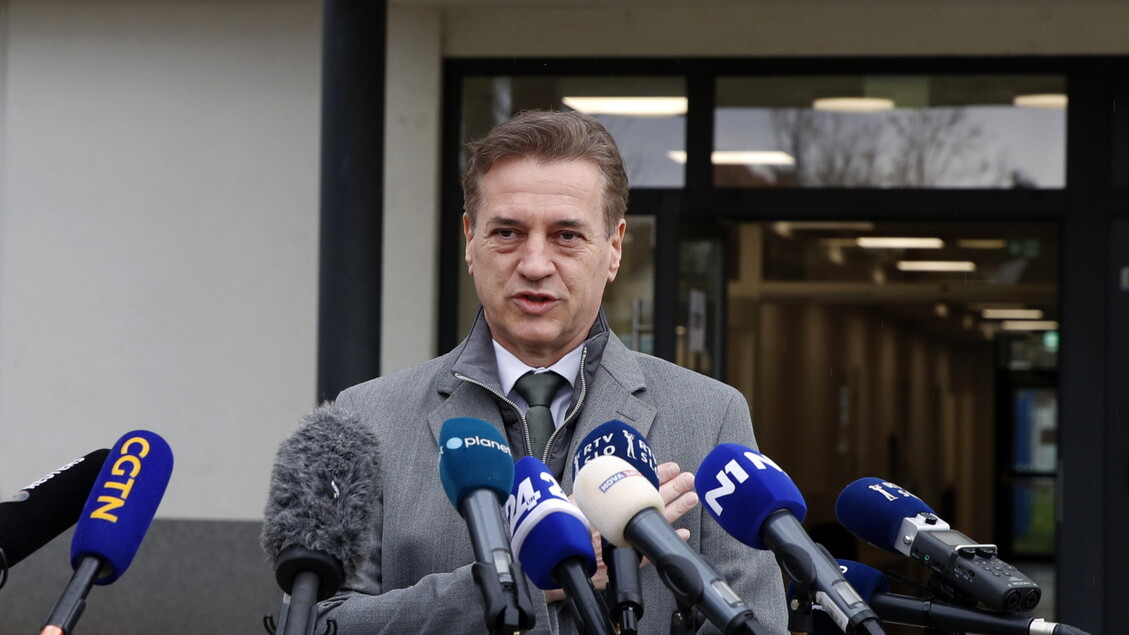
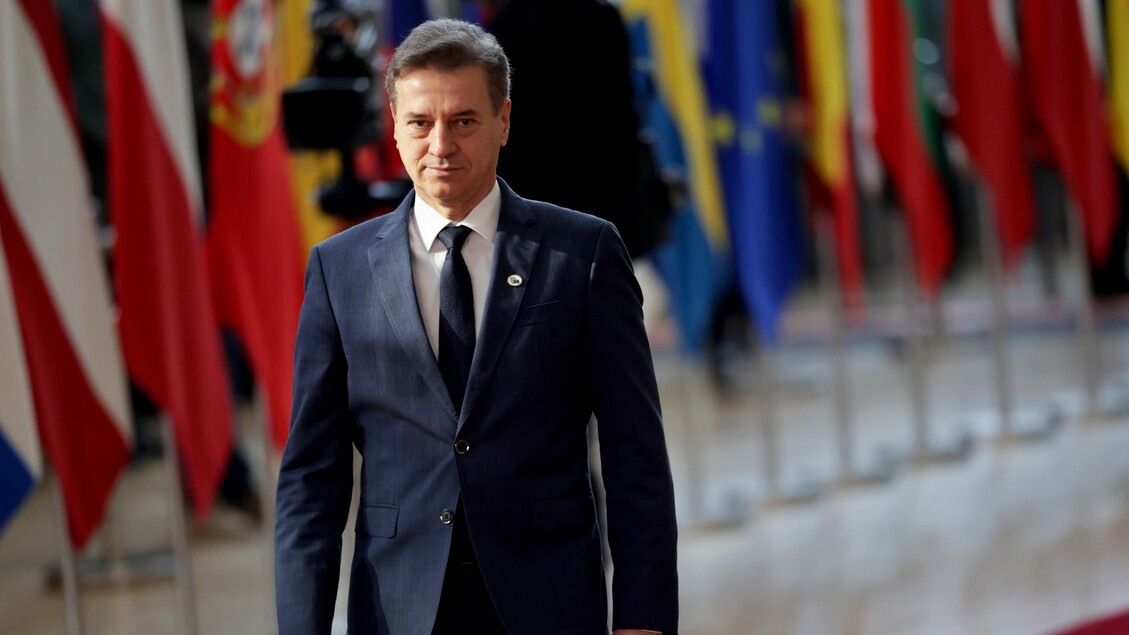
On 22 March, the country will hold parliamentary elections. That the outgoing coalition, led by the centre-left prime minister, Robert Golob, will have served a full term is, by Slovenian standards, almost miraculous. It was formed ahead of the 2022 election by Golob’s Freedom Movement (Gibanje Svoboda, GS), a party established only months earlier by the former executive at the state-controlled energy company. In its first electoral outing, the party won 41 of the 90 seats in the national assembly – the strongest single-party result since independence.
Golob’s landslide allowed him to team up with the Social Democrats (SD) and the left party (Levica), securing 53 seats – rare stability indeed in Slovenia’s fragmented system.