Lack of confidence in the voluntary sector seems linked to a more general fraying of social bonds
B
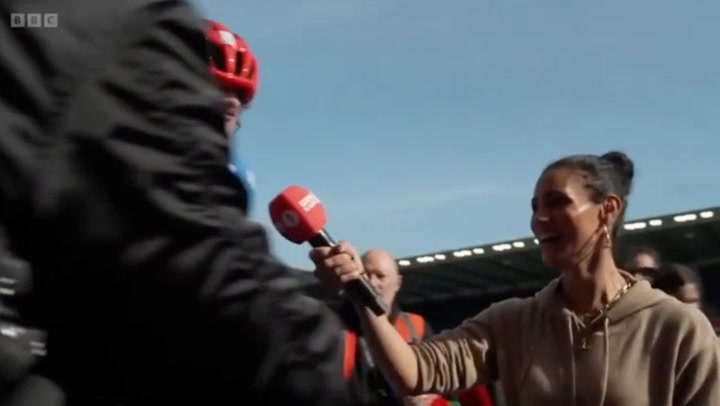
BC Radio 1’s Greg James reached the halfway point of his 1,000km bike ride for Comic Relief just outside Doncaster, in South Yorkshire, on Tuesday lunchtime. The Radio 1 stunt is a popular fixture of the annual charity fundraiser – played out all day long with regular updates on the station, and enthusiastic reminders to “text 10, 20 or 30”. On Red Nose Day, which falls on 20 March, Mr James and his tandem – on which assorted celebrities have joined him – can expect to be greeted by cheering crowds in Edinburgh.
There is nothing not to like about this warm-hearted caper. The takings from these feats of endurance by presenters reached a record £2.2m last year – when Jamie Laing ran five ultra marathons in five days. But away from the buzzy spotlight of national radio, and seasonal appeals such as the Guardian’s, which raised more than £1m between December and January, charities are facing tough times. Concerning details of the current downward trend are set out in the latest report from the Charities Aid Foundation (CAF), which recorded the first overall drop in donations since 2021.
From £15.4bn in 2024, the total fell to £14bn last year, with overseas aid charities and disaster appeals among the worst affected. While the number of UK donors has been falling for years – with 6 million fewer than a decade ago – bigger donations from a smaller number of people have until recently made up the difference. Now, it appears that even they are disappearing and the CAF is appealing for a revival of “the culture of giving”. It wants ministers to make charities central to their Pride in Place neighbourhood renewal programme. Given the importance of charities in many frontline services, delivered via contracts with councils, there is reason to be alarmed. Many are already chronically underfunded for the projects they deliver. Cuts should be expected to cause harm.