Household names are having to take drastic action as they lack resources to meet rising demand for their services
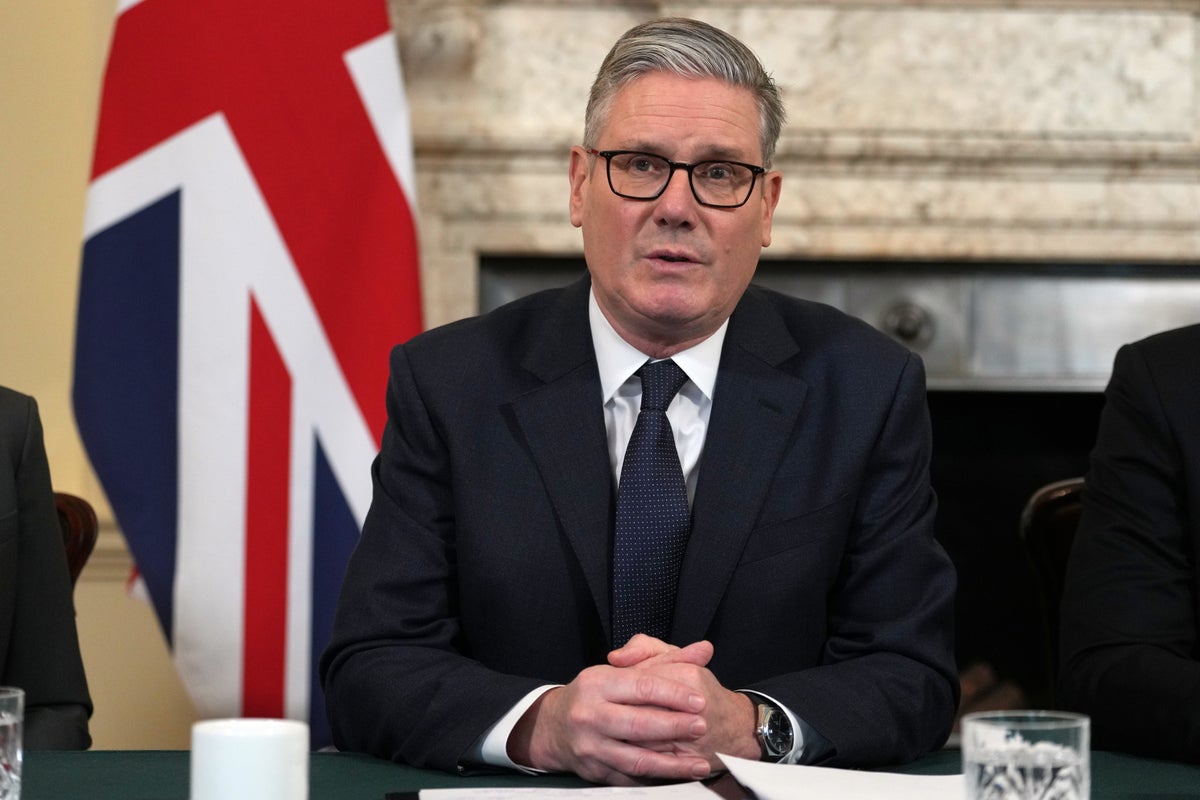
A week ago ministers were love-bombing the voluntary sector at the launch of the civil society covenant, an agreement designed to cement the role of charities in the government’s economic growth plans and social renewal mission. At one level, it was a heady moment of optimism for a sector used to being patronised and ignored.
A few days later, news that the mental health charity Samaritans is to close about half of its 200 branches over the next few years was a reminder of the cold, hard economic reality gripping much of the sector. Samaritans is just the latest household name UK charity to take drastic action to stave off financial crisis.
In recent months Macmillan Cancer Support has axed a quarter of its staff and cut millions in hardship grants; the disability charity Scope has cut a fifth of its workforce; at Oxfam GB 265 roles are at risk; 550 jobs will go at the National Trust, and the counselling charity Relate was rescued from administration having cut a third of its staff.
This is just the most visible tip of the iceberg. Thousands of lower-profile charities are shedding jobs and cutting back services, considering mergers, or in some cases shutting their doors. The prime minister paid tribute last week to the “incredible work of charities” but much of that work is on fragile ground.