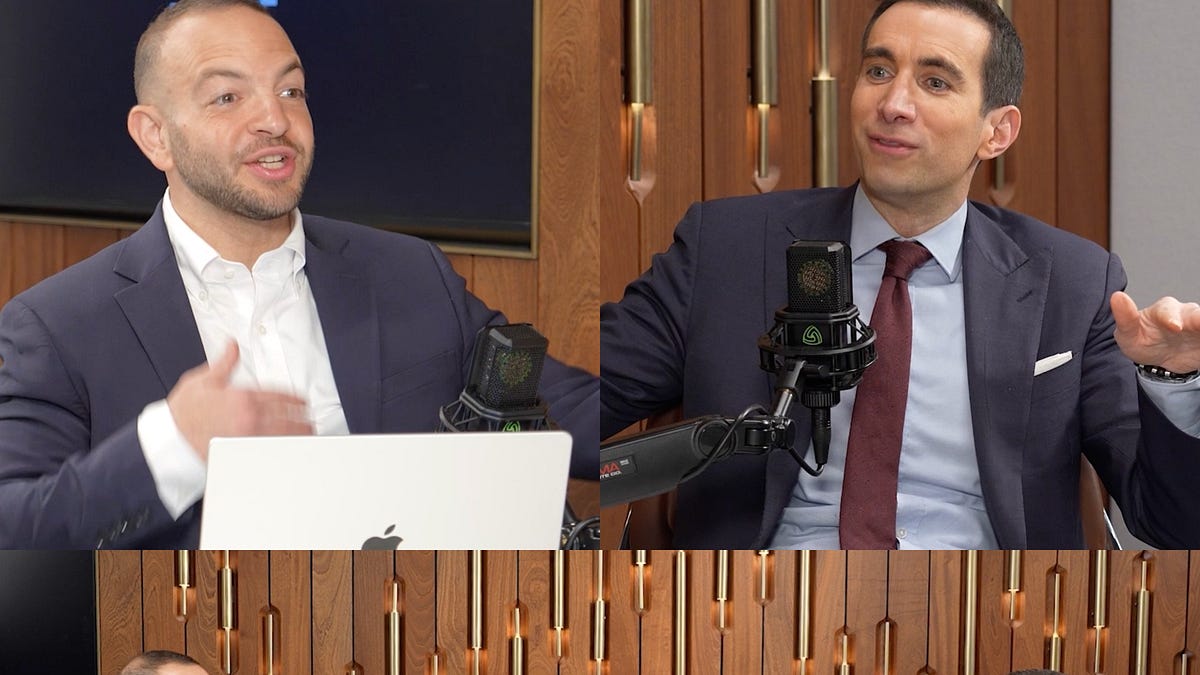
Scott Galloway doesn’t want the markets to go up. He said so out loud, live at South by Southwest, and the audience—skewing young—didn’t boo him. They cheered.
“At some point,” Galloway told the crowd during a taping of the Prof G Markets podcast on Monday, “We have to stop propping up the markets with young people’s credit cards.”
It was a throwaway line dropped near the end of a longer riff about war, oil prices, and the mechanics of economic decay. But it landed like a thesis statement—and it inadvertently explained the entire psychology behind Gen Z’s flight into prediction markets, meme stocks, crypto, and speculative gambling.
Here’s Galloway’s argument, stripped to its core: for the last 40 years, every time a genuine economic shock threatened to destroy capital—the dot-com crash, the 2008 financial crisis, the COVID collapse—the U.S. government intervened. Not to protect workers. To protect assets. To protect owners. The debt and stimulus that financed those rescues lands on younger generations.
“Rather than let assets collapse and take money from the owners and give advantage back to the earners,” Galloway said, speaking directly to Gen Z, “we’re going to pull out your credit card and ensure, in the form of debt and stimulus, that I stay rich.”