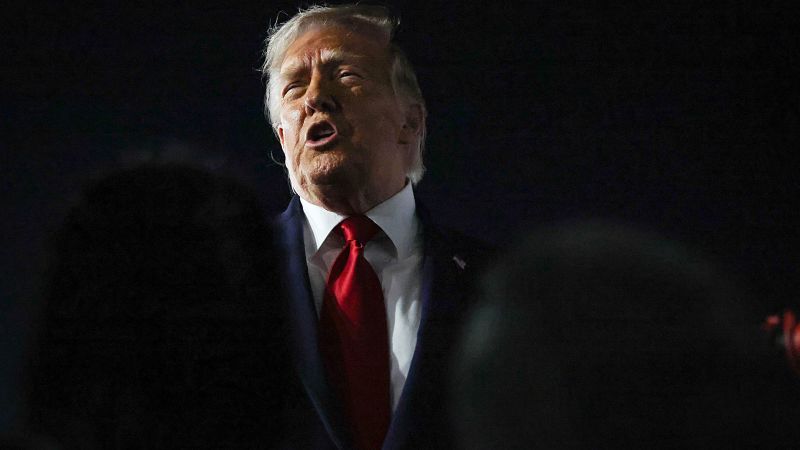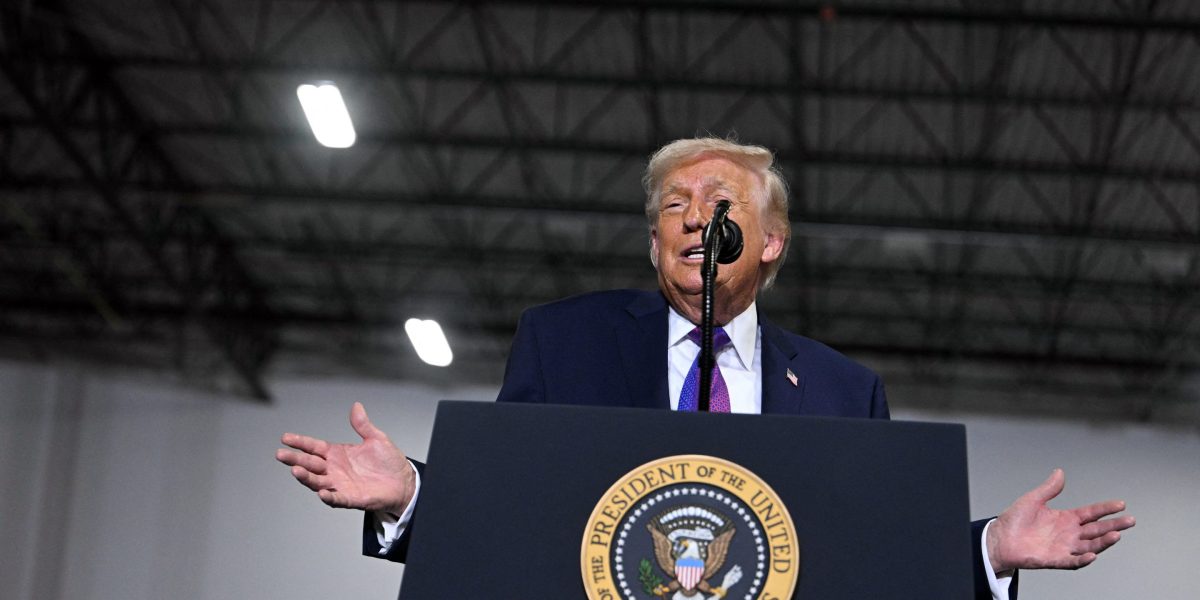
For many observers, Donald Trump’s prosecution of the war against Iran has been nothing short of confounding — contradictory remarks, a seemingly improvisational strategy, and a nonchalance toward risks and costs that would paralyze a traditional commander-in-chief.
A century and a half ago, author John Churton Collins advised, “In prosperity our friends know us; in adversity we know our friends.” America’s allies are confused. Pundits are reeling. But the surprise is misplaced.
Trump’s approach to the Iranian conflict is not an anomaly. It is lifted directly from a consistent playbook he has relied on for decades. The president’s actions are rarely the random impulses they appear to be. Instead, they follow consistent, discernible patterns of behavior. Here are five of what we call Trump’s Ten Commandments, as we lay out in our new book of the same title. He’s exhibited them throughout his career, and he’s displaying them again in his conduct of this war.
1. Centralizing All Power
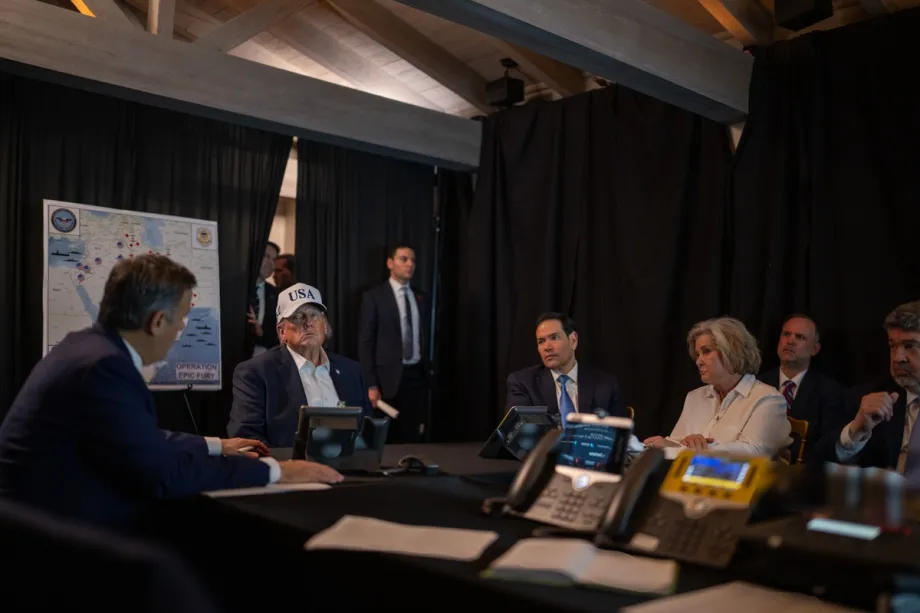
Unlike previous military engagements — which typically followed careful interagency planning with input from domain experts — Trump has bypassed the traditional national security apparatus entirely. Instead, he is managing the entire war through his signature “hub-and-spokes” leadership model. In Trump’s universe, he must be the sun around which everything revolves. Rather than deferring to seasoned military leaders, the intelligence community, or veteran foreign service officers, Trump has centralized war-making authority squarely in his own hands, relying on a tight circle of close advisors while other high-ranking officials — in his own administration and across foreign governments — learn what is happening by watching the news.