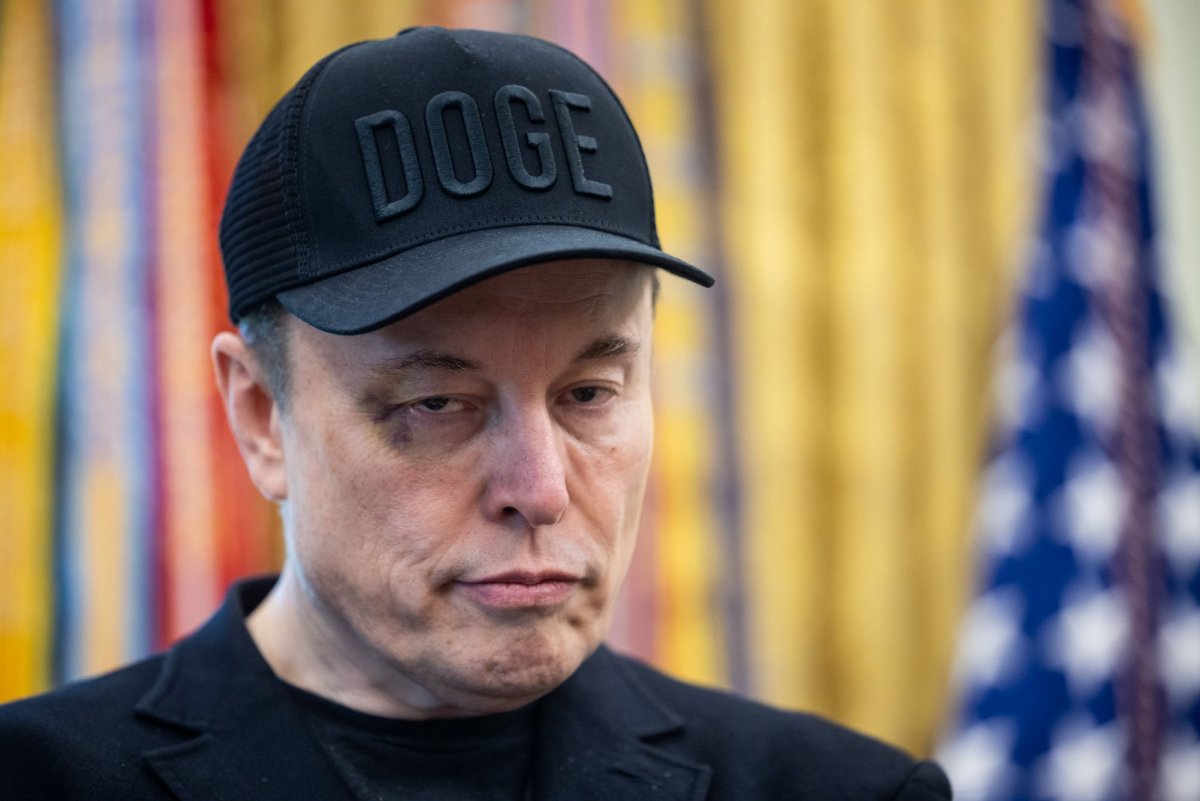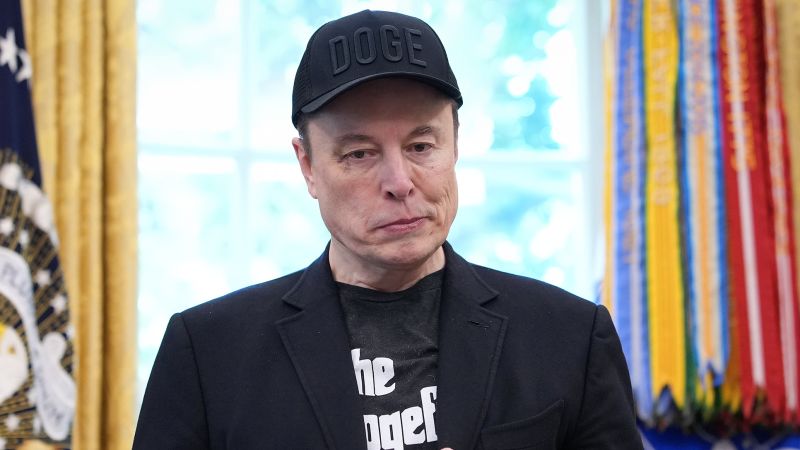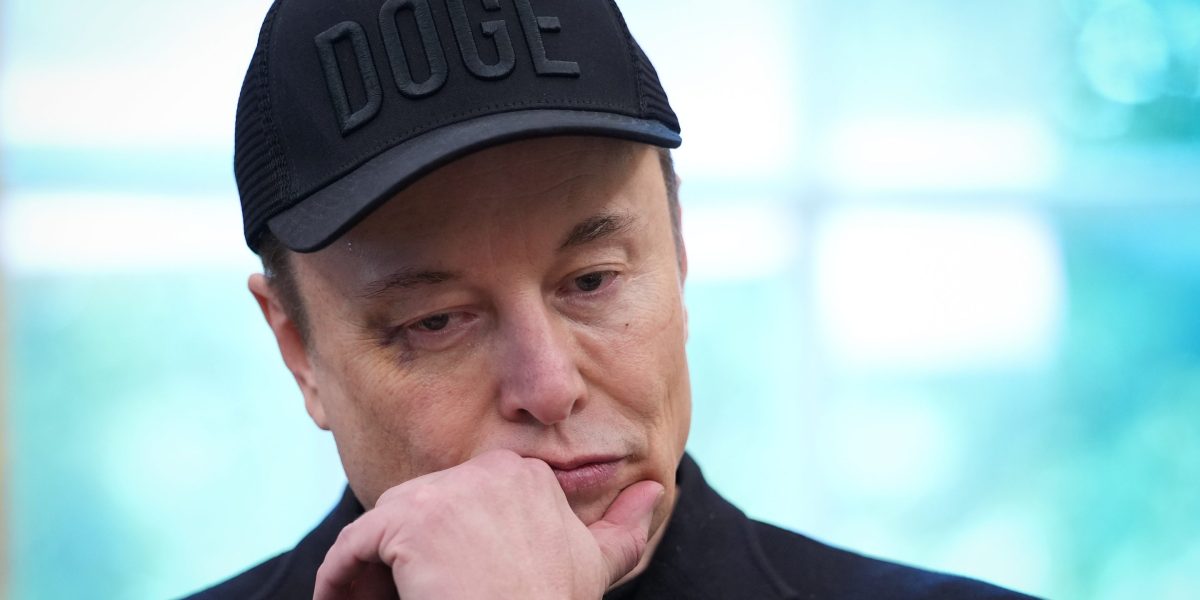
In its early days, the Elon Musk-led Department of Government Efficiency (DOGE) bragged it could cut up to $2 trillion from the U.S. federal budget. In December, Musk conceded the special advisory only saved $200 billion in “zombie payments” for cancelled contracts or fraudulent unemployment claims.
But a recent estimation of DOGE’s overall impact indicated any savings it found did little, if anything, for the deficit.
In a deposition video from January, which recently went viral, DOGE employee Nate Cavanaugh said cost-cutting efforts fell far short of its original $2 trillion goal. The deposition was part of a larger lawsuit filed by the American Council of Learned Societies, a nonprofit consortium of scholarly institutions, alleging DOGE used OpenAI’s ChatGPT to identify and then cancel more than $100 million in diversity, equity, and inclusion grants.
“You don’t regret that people might have lost important income…to support their lives?” one attorney asked Cavanaugh regarding the grant cancellations.
“No. I think it was more important to reduce the federal deficit from $2 trillion to close to zero,” said Cavanaugh, who is also the founder of AI-powered accounting firm Flow Finance.