After 20 years of treating heart disease, clogged arteries and metabolic dysfunction, I began to notice a less discussed driver of cardiovascular health: what happens in the hours after the workday ends.
Heart disease develops over years through repeated signals, including blood pressure patterns, inflammation, glucose regulation and sleep quality. Many of these are shaped by routine evening behaviors. Nighttime choices determine whether the body shifts into repair or stays in stress mode.
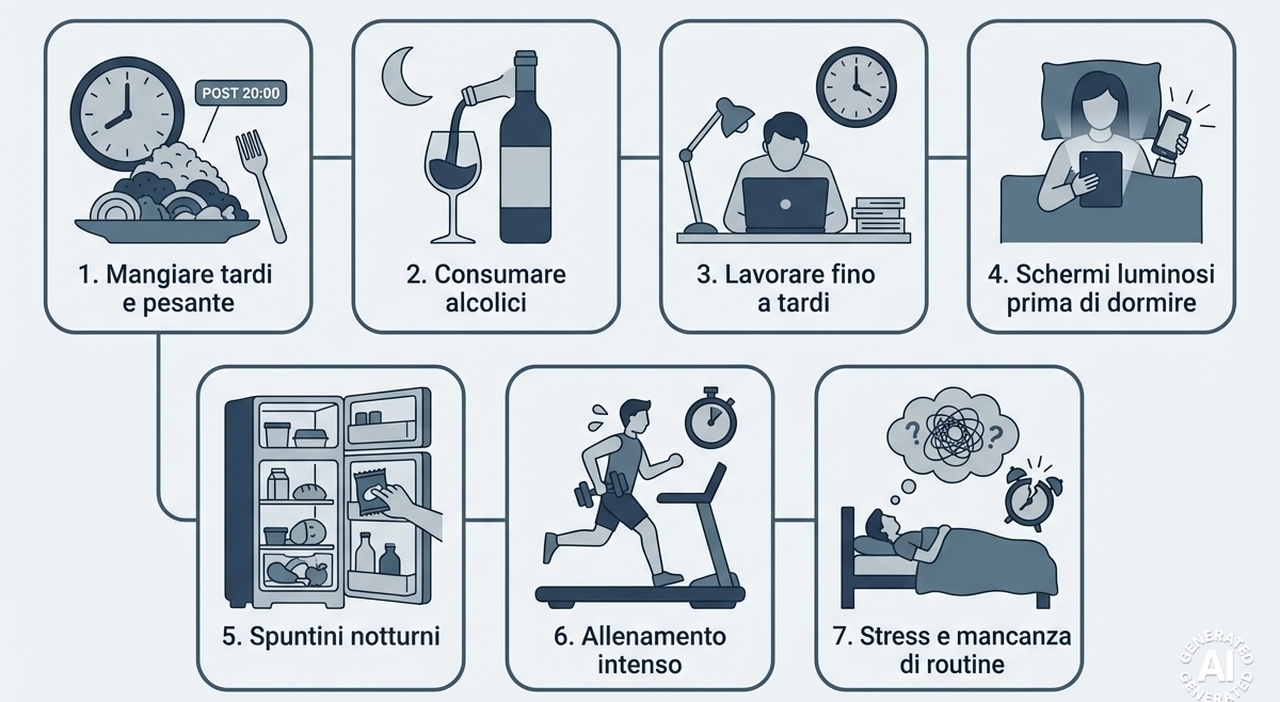
Here are seven things I consistently avoid after 7 p.m. as a cardiologist.
Metabolic function follows circadian rhythms. In the evening, insulin sensitivity declines and the body becomes less efficient at processing glucose and fats. Late meals are associated with higher post-meal blood sugar levels, impaired lipid metabolism and increased inflammatory signaling.
Research on time-restricted eating shows that earlier meal timing supports healthier blood pressure, glucose control and cardiovascular risk markers. Nighttime digestion also competes with the body’s overnight repair processes, which are critical for vascular health.