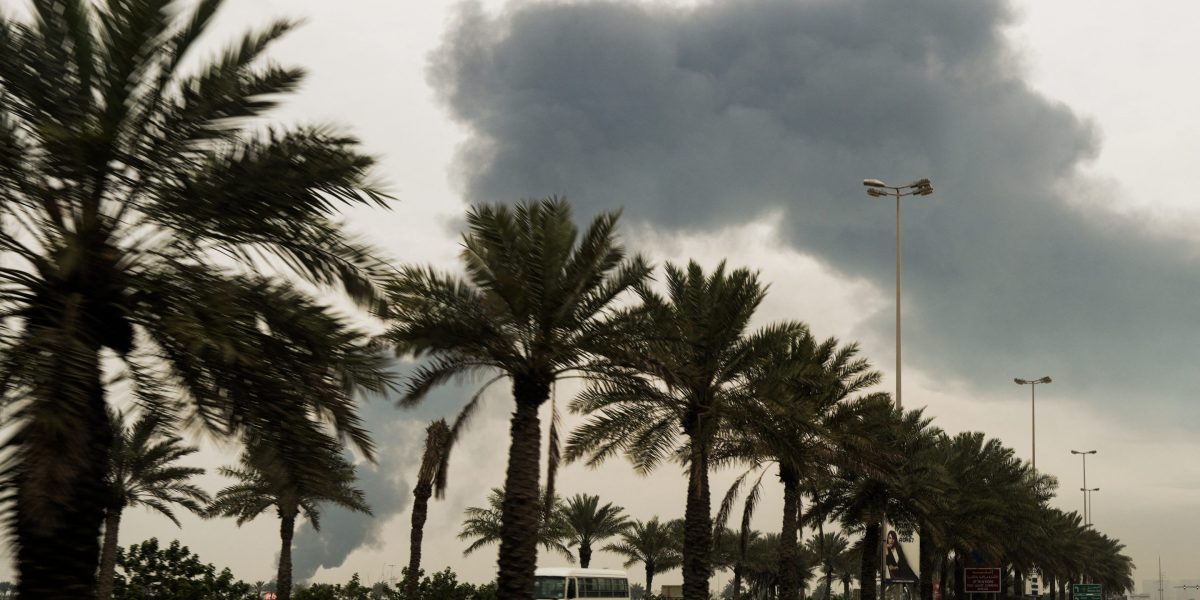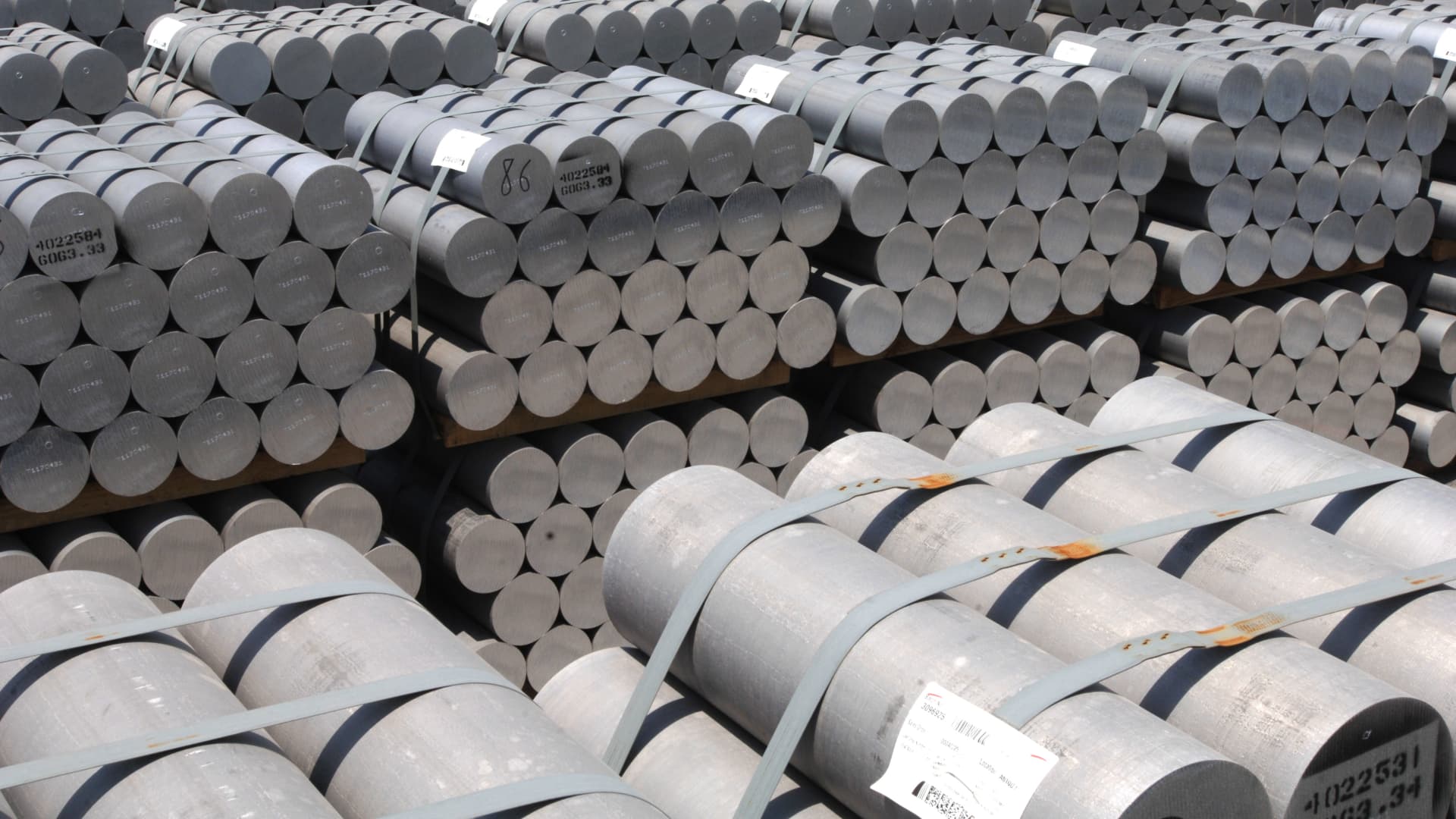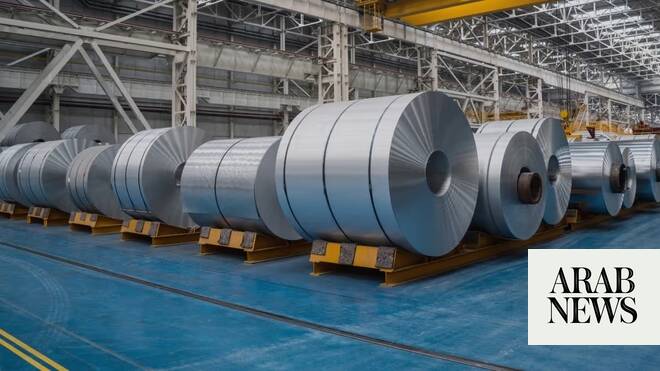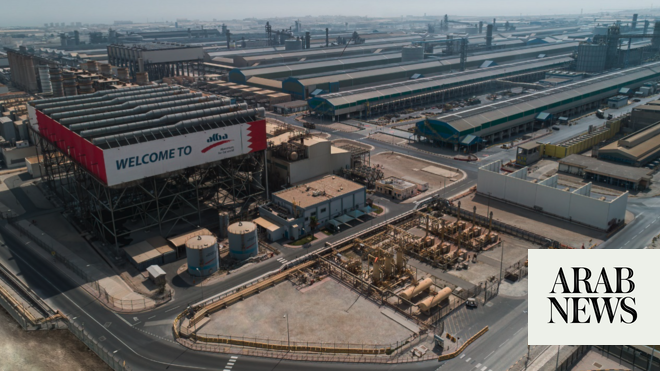
RIYADH: Bahrain’s aluminum producer Alba has shutdown 19 percent of its 1.6 million tonne-a-year production capacity to preserve business continuity amid ongoing disruptions affecting the Strait of Hormuz.
A statement from the company said the closures of Reduction Lines 1, 2 and 3 would enable a focus on the three remaining lines.
The shutdown reflects escalating tensions in the Middle East, disrupting energy supplies and industrial operations across the region. Aluminum smelting is highly energy-intensive and relies heavily on stable fuel and electricity supplies, meaning disruptions to natural gas shipments and logistics in the Gulf can quickly ripple through global metals markets.
“The GCC controls around 9 percent of global primary aluminum and effectively acts as the world’s swing supplier. Aluminum smelters rank among the most capital-intensive and slow-to-restart assets in all of industrial manufacturing: once capacity goes dark, it rarely returns swiftly,” Ilya Epikhin, principal at Arthur D. Little Middle East, said.
“Current disruptions don’t remain regional, they move global markets immediately. The market is already repricing risk: with force majeures declared, aluminum price has jumped — 10 percent in a week. Downstream sectors like automotive, packaging, and construction suddenly scramble for metal that was previously taken for granted. Manufacturers are now accelerating the shift toward secondary aluminum and locking in long‑term offtake agreements. The days of frictionless primary metal supply are likely over,” Epikhin added.