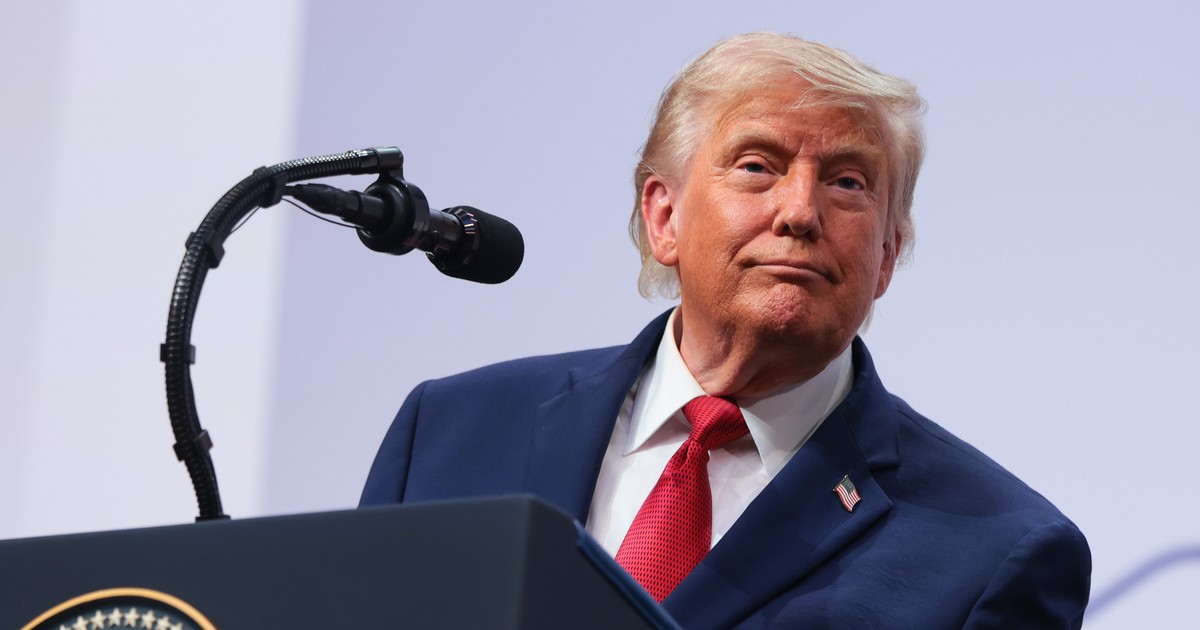
The Trump administration’s cuts to biodiversity funding have imperiled species, habitats and the people who defend both. Now the world is seeking a new way forward
O
n 22 January 2024, at the inauguration of the current Liberian president, Joseph Boakai, the US-based Liberian poet Patricia Jabbeh Wesley paid tribute to the west African nation’s tropical forests – one of the places where, she said, “our fathers came / centuries ago, and planted our umbilical cords / deep in the soil”.
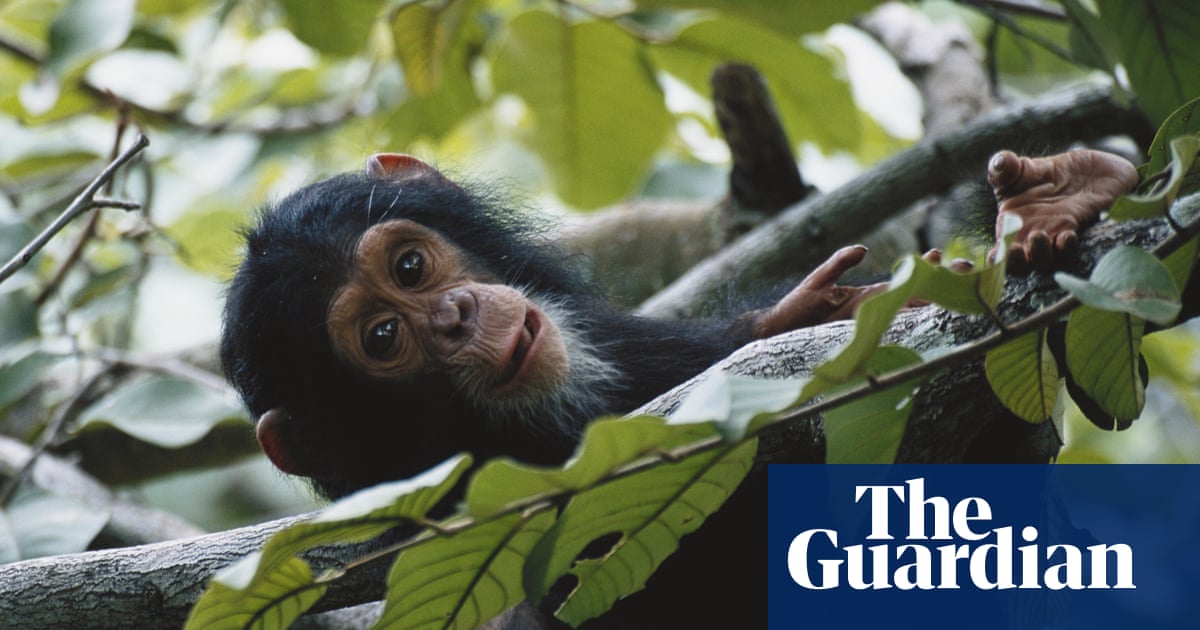
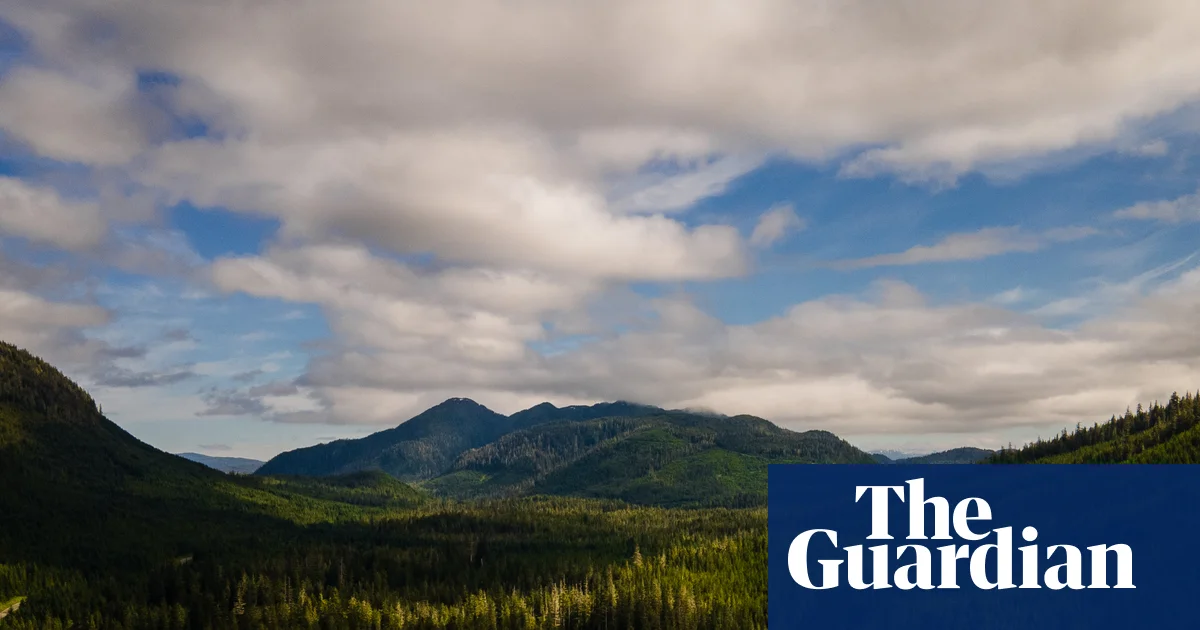
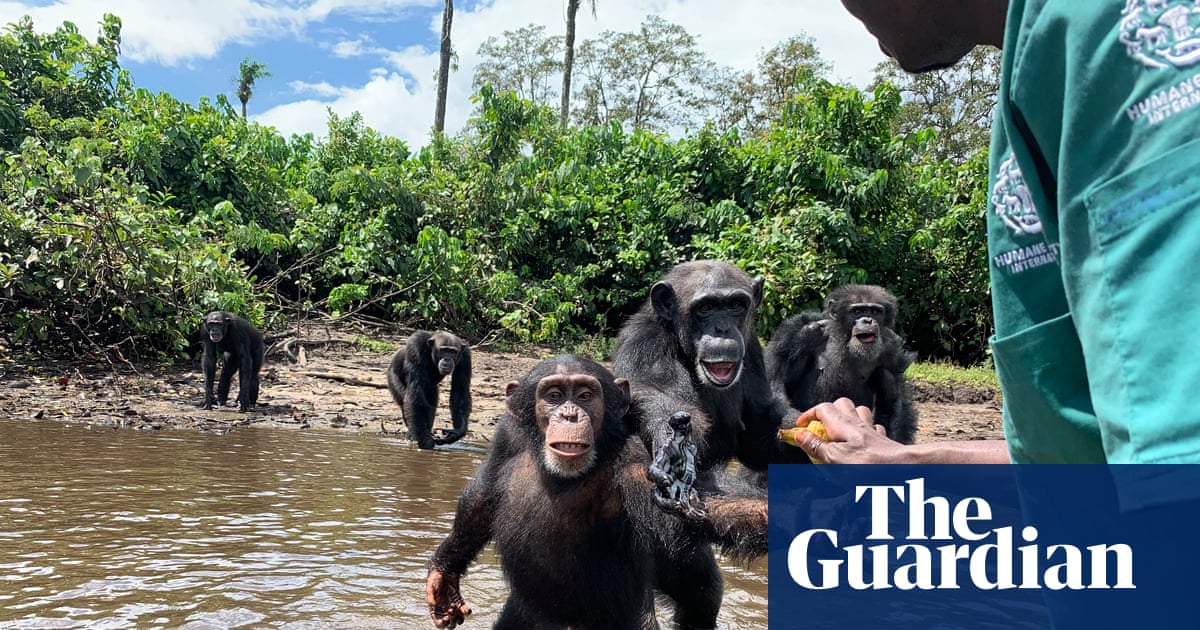
The forests of Liberia are among the most diverse on the planet, home not only to humans and their ancestral ties but also to rare species such as forest elephants, pygmy hippopotamuses and western chimpanzees. They are also chronically threatened by industrial development, including illegal logging and mining.
For nearly a decade, the Society for the Conservation of Nature of Liberia (SCNL) has recruited and trained a corps of up to 80 eco-guards to help protect the forest. The eco-guards, all of whom live in forest communities, patrol for signs of illegal activity and share their findings with rangers from nearby parks and forests. The work carries risks, from encounters with venomous snakes and charging elephants to the threat of violence from poachers, but eco-guards earn a salary that has enabled some to fund their children’s educations and purchase land to build homes.