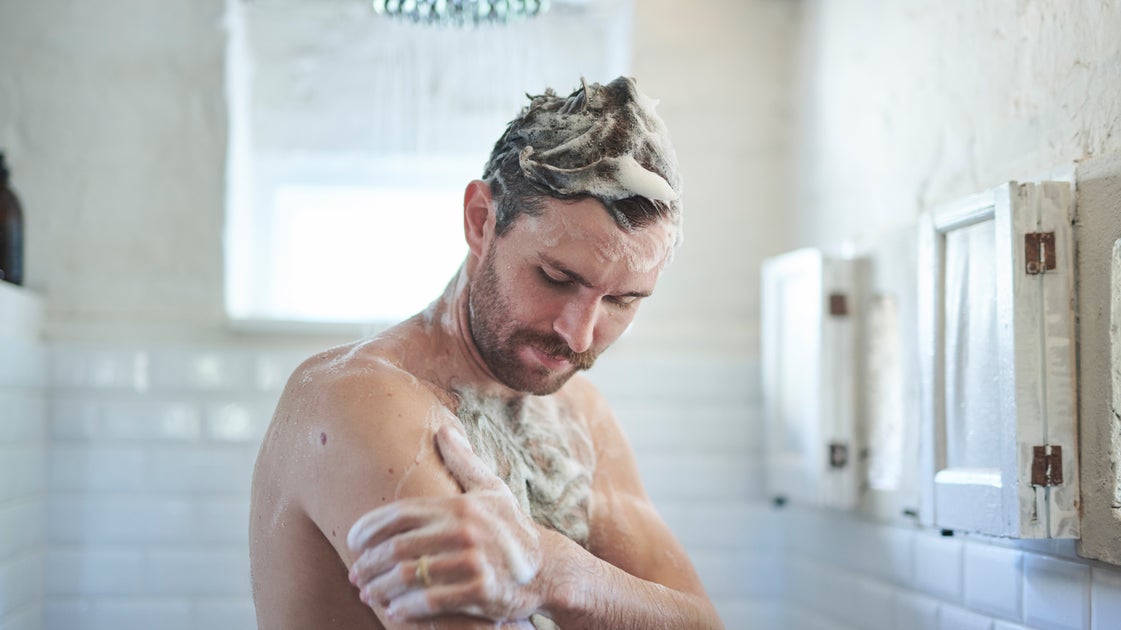
Nothing hits quite like a hot shower — the warmth relaxes your body, the bubbly soap gets you clean and you feel like you’re mentally able to “wash off the day.” But even after decades of showering, you might still have questions about it, and that’s fair. You might have wondered whether it’s better to shower in the morning or at night, or how long the ideal shower is. You might have learned about the 30-second shower hack (spoiler alert: It’s standing under a cold shower for 30 seconds before getting out). Here’s another one: Is there such a thing as showering too often?According to dermatologists, it depends. Keep reading for the specifics you need to know.Factors You Should ConsiderGet this: Showering daily isn’t always necessary or “better.” It just depends on your skin.“For most healthy adults who aren’t sweating heavily, showering every day or every other day is perfectly fine,” said Dr. Aderonke Obayomi, a board-certified dermatologist who provides comprehensive medical, cosmetic and surgical care to patients of all ages and skin types. “If you have dry or sensitive skin, or conditions like eczema, showering less frequently (every two to three days) can actually help preserve your skin’s natural moisture barrier.”Besides your skin type and skin conditions, other factors to consider include age, hormones, gender, climate and lifestyle.FG Trade via Getty Images“The bottom line is that showering habits should be personalized,” Obayomi said.For example, you may need to shower more often if you:Experience hormonal changes that cause sweating and hot flashes (this could be from puberty, pregnancy or menopause)Have acneLive in a hot, humid climateHave an active lifestyleAre a man, since men tend to have more active sebaceous glands and may sweat moreWork in environments that are warm, smelly or unsanitary (such as construction workers, fitness trainers and health care workers)People who can get away with less-frequent showering include: Older adults (skin produces less oil and becomes thinner as a person ages)People who have hormonally driven dry skinPeople with skin conditions such as eczema, psoriasis or very dry skin“The bottom line is that showering habits should be personalized,” Obayomi said. “It’s about finding a balance that keeps you clean and comfortable while protecting your skin’s health.”Another key bullet point is that some body parts need more frequent attention than others — and that goes for everyone.“Regardless of full-body showering, everyone should wash their face, underarms and groin daily. These are the areas where bacteria and odor accumulate fast,” Obayomi added. If You Shower More Than You Need To, The Repercussions Can Be Beyond CosmeticHow is showering “too often” a problem when showering is generally a good and necessary thing?Essentially, while skin can get dirty, it also has oils, good bacteria and microorganisms that act as a protective barrier. “Whenever we take a shower, especially if we use hot water, this layer of oil, good bacteria and microorganisms gets washed off,” said dermatologist Dr. Hamdan Abdullah Hamed.In turn, that can trigger health concerns, he said, such as:Skin irritation that causes dry and itchy skinDry skin cracking, which allows bacteria, dirt and allergens to break through the skin barrierInfections from bacteria, dirt and allergensAllergic reactionsThe development of skin conditions such as psoriasis and eczemaHe also spoke to the importance of “immune memory.” “To develop an ‘immune memory’ that builds up the skin’s protective barrier, our immune systems need to be exposed to other microorganisms, bacteria and foreign bodies,” Hamed said. “Showering too often can affect our body’s ability to develop that immune memory and reduce the immune system’s ability to fight foreign bodies.”According to Obayomi, the concern is more so how people shower versus how often they shower. But again, it comes back to the skin’s protective barrier.Iuliia Bondar via Getty Images“Rubbing can irritate the skin, especially if it’s already dry or sensitive,” Obayomi explained. “The risks come from over-washing with hot water, harsh soaps or long shower times,” she said. “This combination can strip the skin of its natural oils and disrupt what we call the skin barrier — the protective layer that keeps moisture in and irritants out.” That increases the risk of skin dryness, itching, flaking, increased sensitivity, flares of skin conditions and a higher risk of skin infections. Skin tone is also a factor to consider, believe it or not.“For those with darker skin tones, I also want to emphasize that disrupting the skin barrier can lead to increased dryness that shows up as ashiness, and chronic irritation can sometimes trigger post-inflammatory hyperpigmentation,” Obayomi added. “So protecting that barrier is especially important.”The Best Showering Habits For Good Skin HealthClearly, the way we shower matters when it comes to healthy skin. Dermatologists shared their tips for skin-happy showering, and some are surprising. What may feel tempting and relaxing in the shower may not be best for your skin.Keep the water temperature lukewarm.If your skin is red when you step out of the shower, the water was too hot. “I tell my patients the water should feel comfortable, not hot,” Obayomi said. “Hot water feels relaxing, but it strips natural oils from the skin and can cause dryness and irritation.” Keep showers five to 10 minutes long.While a long shower can feel great after a long day of work, it’s probably best not to do it, at least too often or with hot water. They aren’t necessary to get clean, Obayomi said, and can contribute to moisture loss.Use soap in the right places.Another perhaps little-known fact: You don’t need to soap up your entire body. In fact, over-soaping commonly leads to dry skin. “Focus on the areas that actually produce odor and accumulate bacteria: underarms, groin, feet and any skin folds,” Obayomi said. “The rest of your body can simply be rinsed with water.” Hamed also encouraged focusing on the sweaty, dirty parts, such as the armpits and groin area, and lathering properly with soap.Use the right kind of soap.The type of soap you use matters, too. Obayomi recommended a gentle, fragrance-free cleanser. Hamed recommended against antibacterial soaps since they can strip away the good bacteria your immune system needs. “Harsh soaps or anything heavily fragranced can irritate the skin,” Obayomi said.After your shower, pat dry.Your post-shower routine affects your skin’s health and appearance, too. Obayomi encouraged patting dry with a soft towel. “Rubbing can irritate the skin, especially if it’s already dry or sensitive,” she explained.After you dry off, apply moisturizer.Post-shower is also the best time to apply moisturizer, according to Obayomi, since your skin is slightly damp. She suggested a cream or ointment-based moisturizer instead of a lotion to help lock in hydration.Hamed agreed. “Use a moisturizer after you shower because it helps maintain the skin’s protective barrier,” he said.While those tips largely apply to everyone, the answer to “how often to shower” isn’t as widely applicable. Daily might be the right frequency for you, or it may be too much. “We all have different routines, diets and lifestyles, and therefore require different self-care habits,” Hamed said.
Experts Reveal How Often You Should Be Showering Each Week
Showering daily isn’t always necessary or “better.” It just depends on your skin.
1,160 words~5 min read