Evidence is piling up that GLP-1 drugs can treat addiction. We must learn from the way that obesity has been stigmatised
I
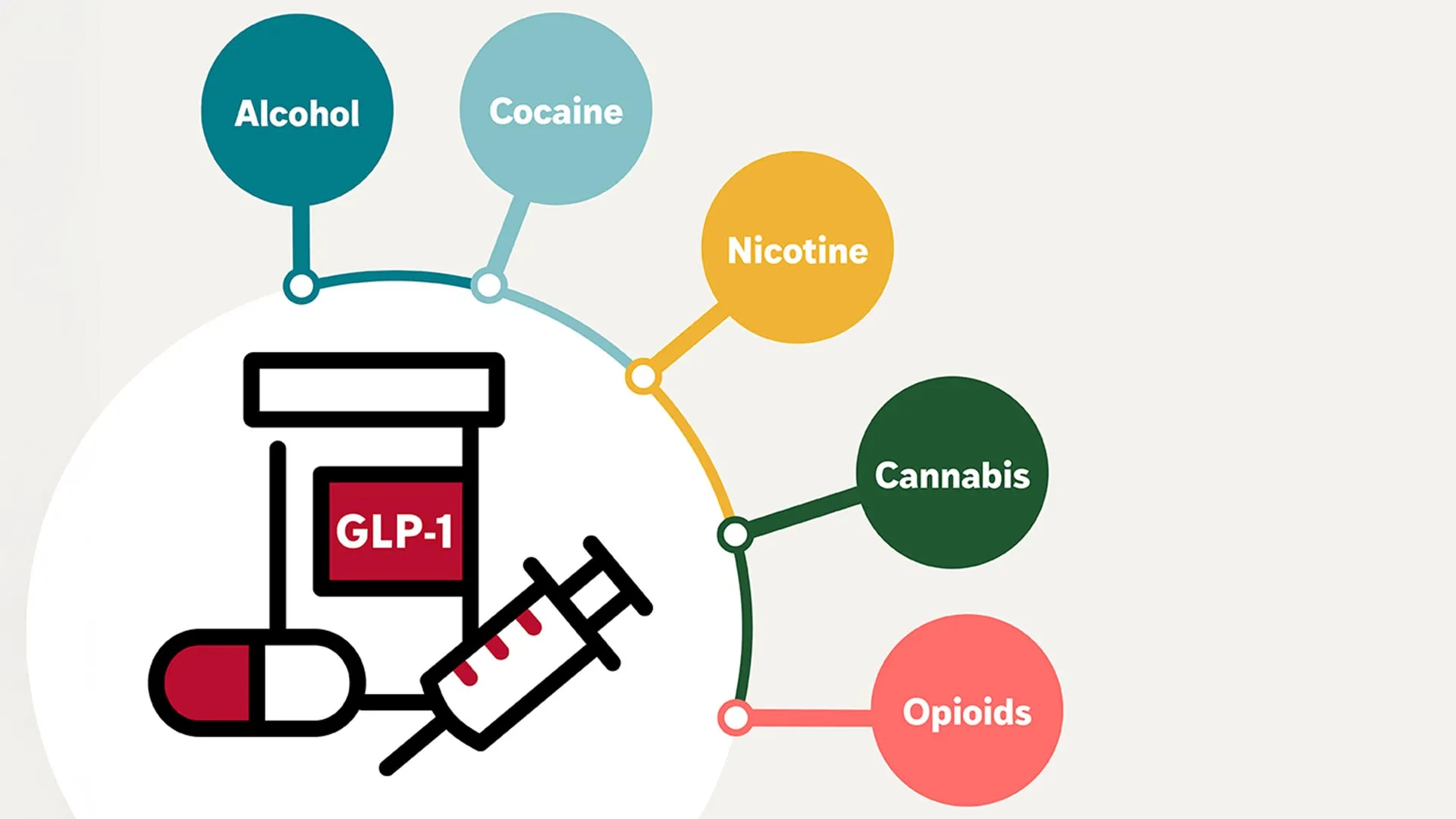
n the years since so-called weight-loss jabs entered widespread use, there have been reports that these drugs may not just reduce food cravings, but in fact cravings and desires full-stop. Earlier this month, a study using large-scale data from US veterans undergoing diabetes treatment suggested that those on the jabs were less likely to develop addictions to a wide range of drugs. Patients already using substances appeared about half as likely to suffer overdose or drug-related death if they were taking the jab as well.
This is an exciting avenue for future research. These medicines work partly on satiation and reward centres in the brain. It is likely that problematic food and drug cravings share a similar biological basis, and next-generation medicines may be more powerful or more targeted to one or the other. But, in the meantime, we should expect that existing weight-loss drugs will end up recommended (or prescribed off-label) for addiction treatment. This should make us rethink our approach to these remarkable medicines.
To put it bluntly, drug addiction is seen as an illness in a way that obesity – despite some progress – is not. Ever since GLP-1 agonist drugs emerged, many have argued that using them for weight loss is a sort of cop-out – an answer to a problem that should be addressed through willpower and strength of character. This ranges from articles claiming that “weight loss isn’t supposed to be easy”, to countries such as Germany covering the drugs to treat diabetes but not obesity in general, with a government spokesperson saying that weight loss is “a matter of individual responsibility and personal lifestyle”.