Warmer days and blossoming flowers are signs that spring is upon us.
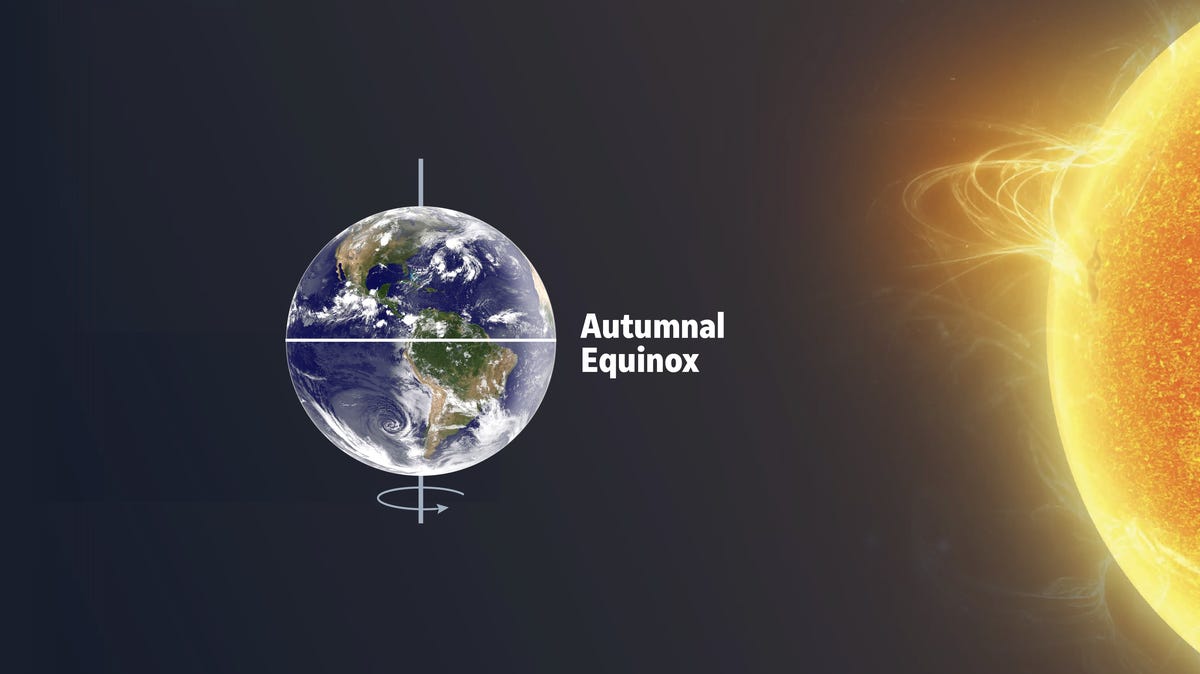
The Northern Hemisphere's first day of spring, or vernal equinox, will occur on March 20. An equinox occurs when the sun's center is on the same plane as the Earth's equator. Beginning with the March vernal equinox, the Northern Hemisphere tilts toward the sun until June's summer solstice, when the sun starts to move back south, according to the Old Farmer's Almanac.
The first day of spring officially begins on Friday, March 20 at precisely 10:46 a.m. ET, when the sun's rays fall directly on the equator, according to EarthSky, a space and science website.
For those of us that live in the Northern Hemisphere, the March equinox is on March 20, which is the precise moment the sun's rays shine directly on the equator.
The Earth's axis is tilted neither toward nor away from the sun on Friday, one of only two days of the year (the other being September's autumnal equinox). This means that practically everywhere on Earth experiences 12 hours of daylight and 12 hours of darkness.