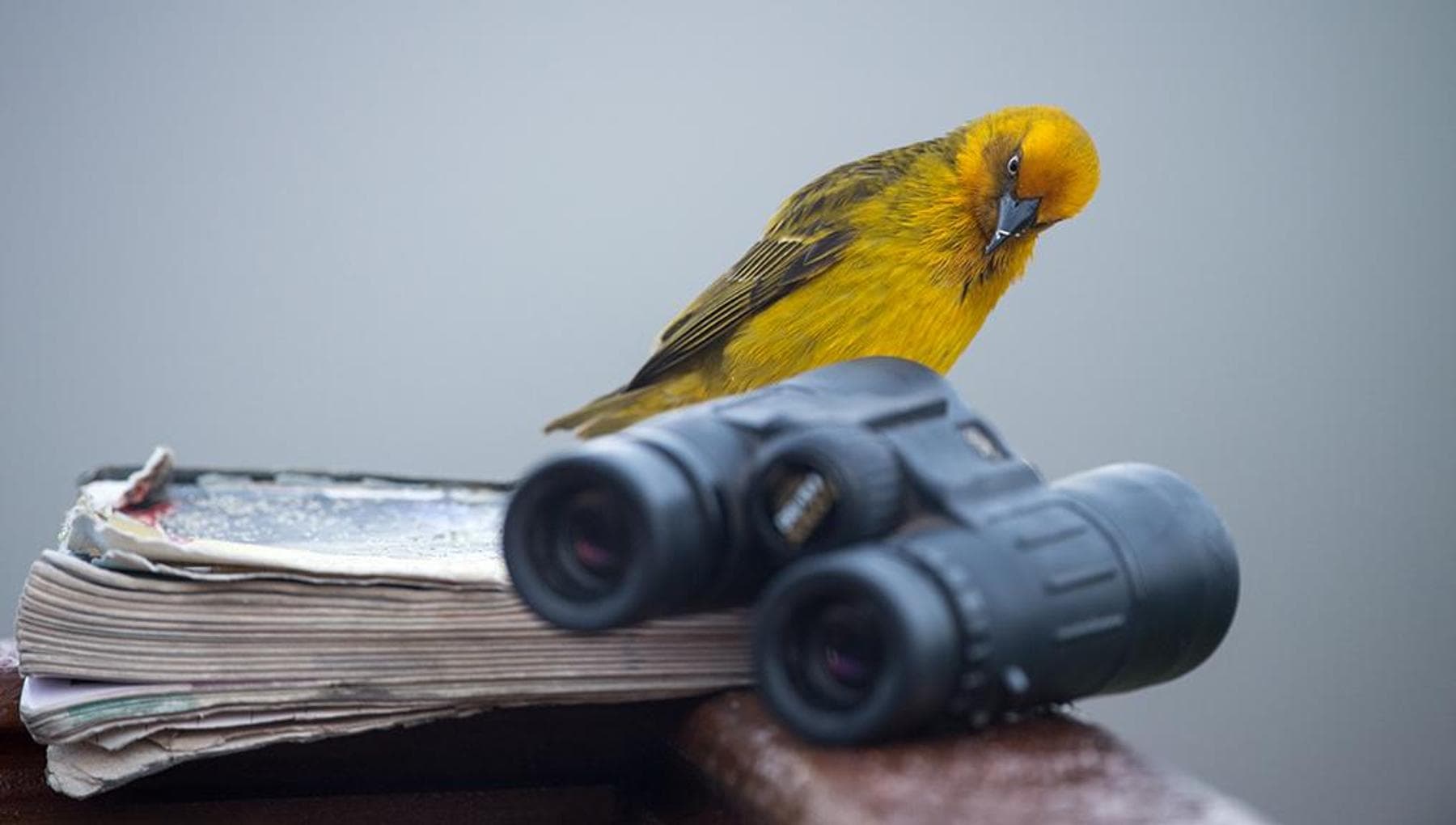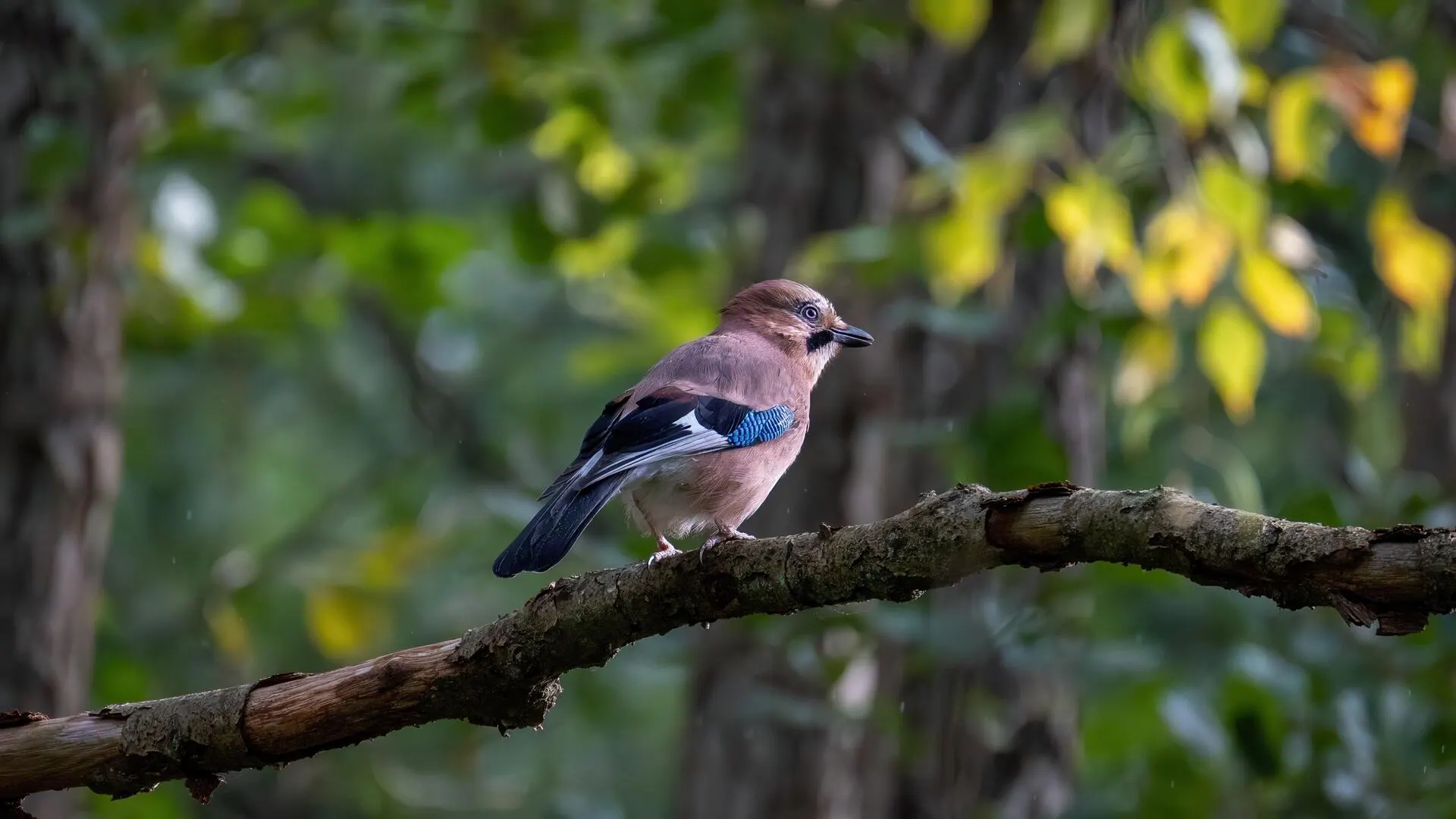
While research has shown that birdwatching has grown in popularity over the years, a study now suggests that becoming an expert birder may even be beneficial for your brain health.
Research published in the Journal of Neuroscience last month found that the brains of study participants who were categorized as expert birders showed structural differences in areas related to attention and perception compared to the brains of participants who were not experts in birdwatching.
The Canadian study involved 58 participants split evenly into two groups. The expert group consisted of 29 people, ages 24 to 75, who were recruited from the Toronto Ornithological Club and Ontario Field Ornithologists. The novice group consisted of 29 people, ages 22 to 79, recruited from the same birding groups and other groups focused on outdoor activities, such as hiking and gardening, NBC News reported.
All the participants underwent what’s called a diffusion-weighted MRI, which assessed structural differences in their brains. The results showed that the expert group had lower “mean diffusivity,” or MD, in certain areas of their brains. Mean diffusivity is a measure of the average rate at which water molecules move through tissue, and lower MD is associated with greater tissue density.