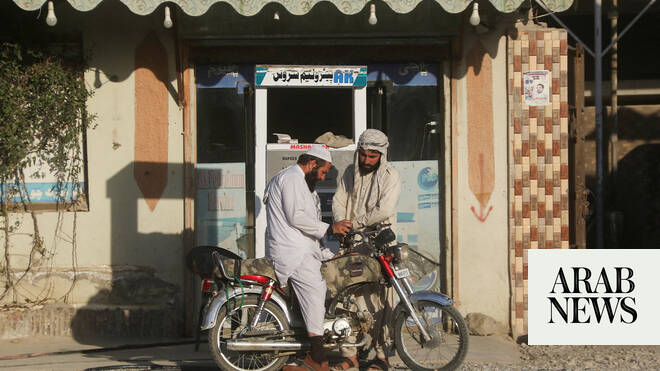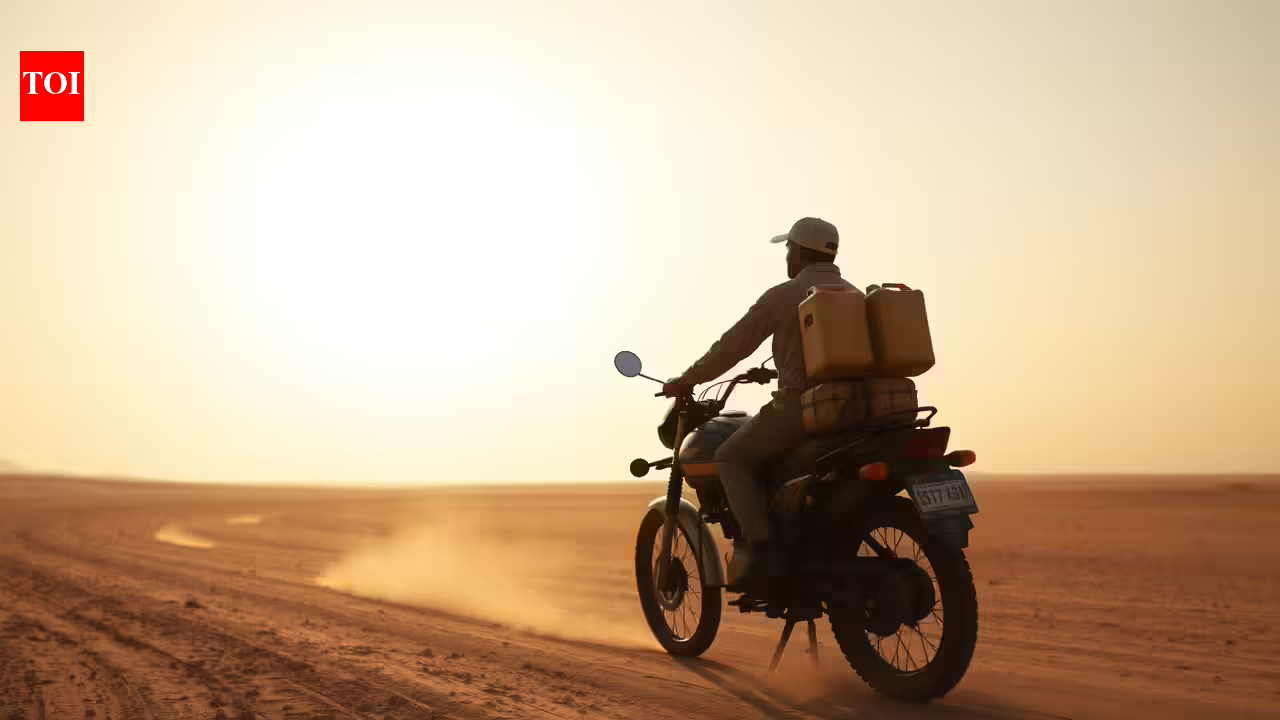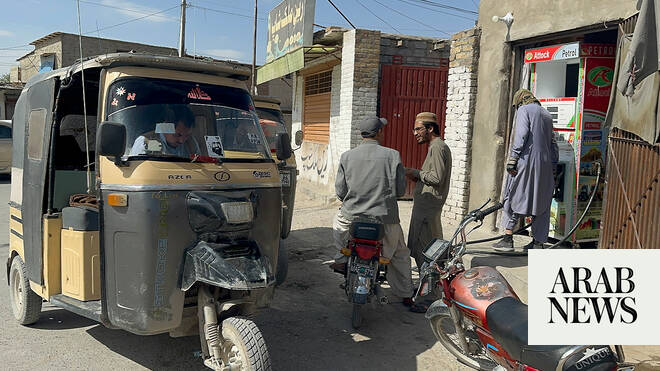
QUETTA: For years, buying smuggled Iranian fuel from Quetta’s Hazar Ganji market was routine for Abdul Rauf, a 29-year-old resident of Brewery Road who makes a living selling the cheaper petrol brought across the border from Iran.
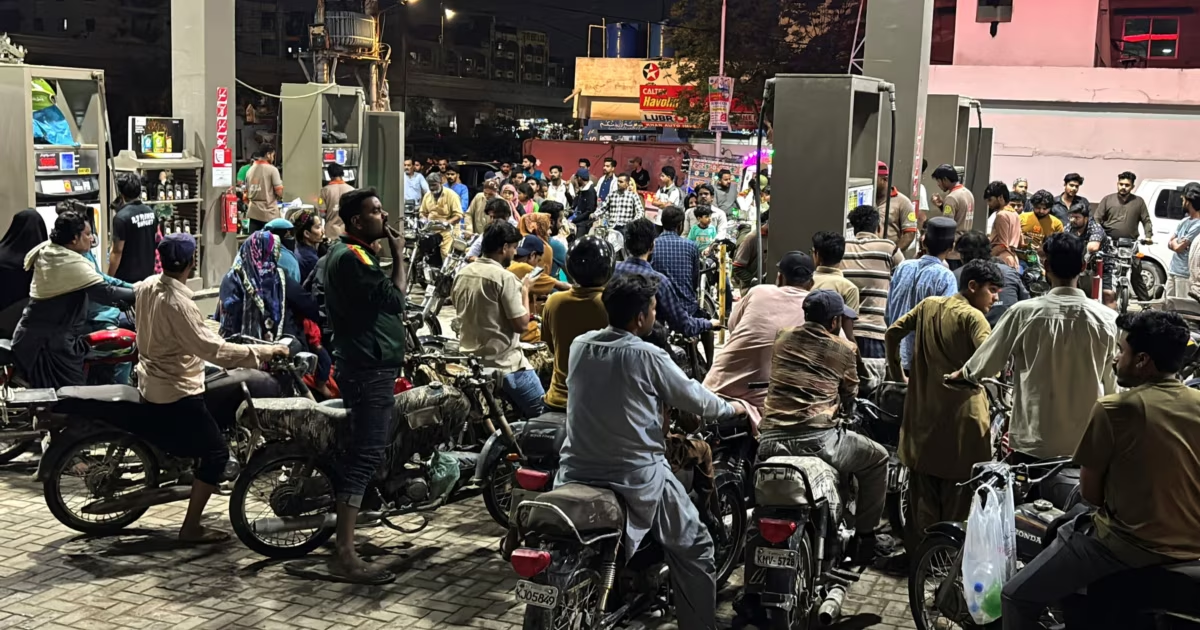
Now, he says, even finding 300 liters to keep his business running takes hours of searching.
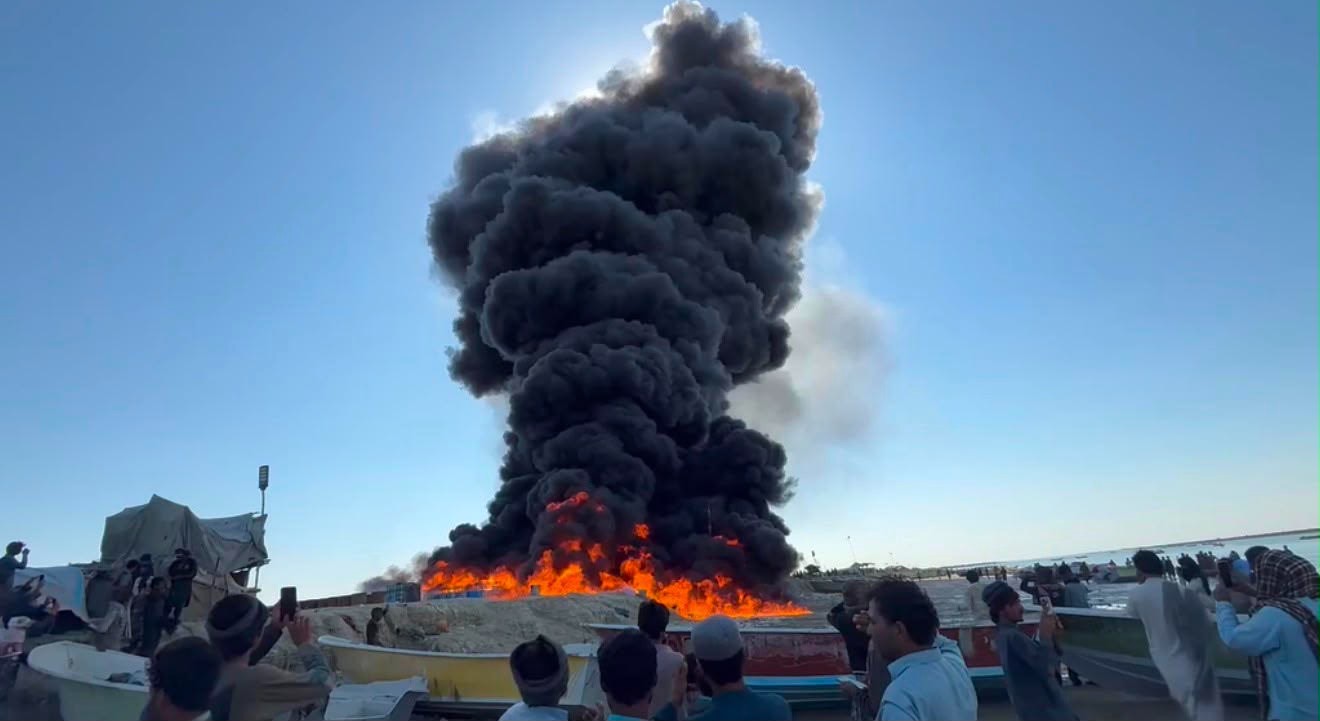
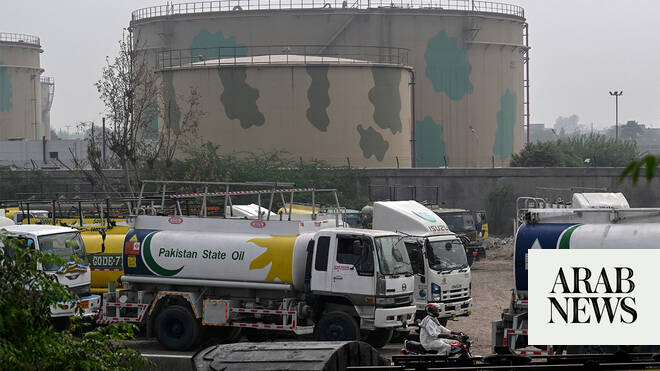
The informal fuel trade in Pakistan’s southwestern Balochistan province — sustained for decades by price differences between subsidized Iranian fuel and higher-priced Pakistani petrol — has been disrupted since war erupted in Iran following US and Israeli strikes on Feb. 28.
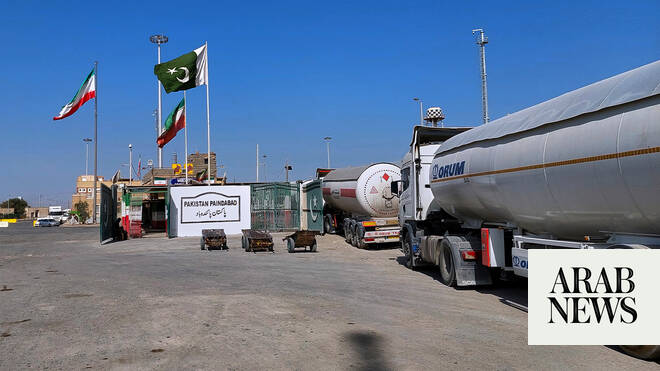
Pakistan and Iran share a 909-kilometer border across Balochistan, where communities on both sides have long relied on formal and informal trade for livelihoods in an area marked by poverty and limited economic opportunities.
“We are badly affected due to this war because the border is closed and I didn’t find a single gallon of fuel,” Rauf told Arab News while searching for Iranian fuel on his three-wheeled Zaranj motorbike.