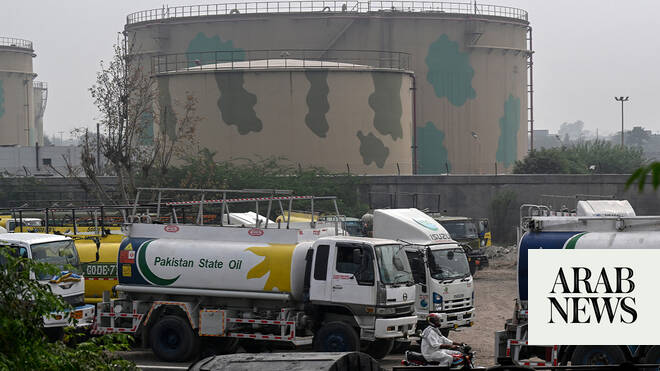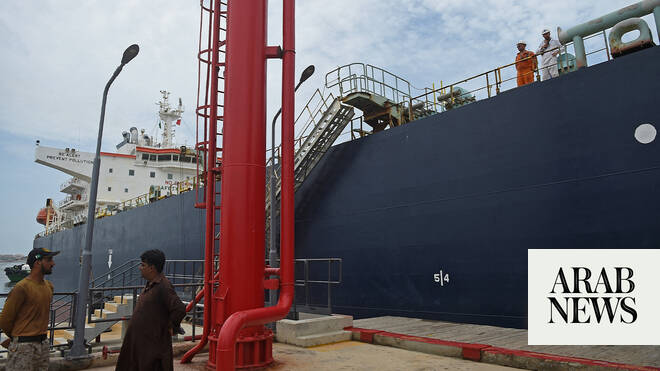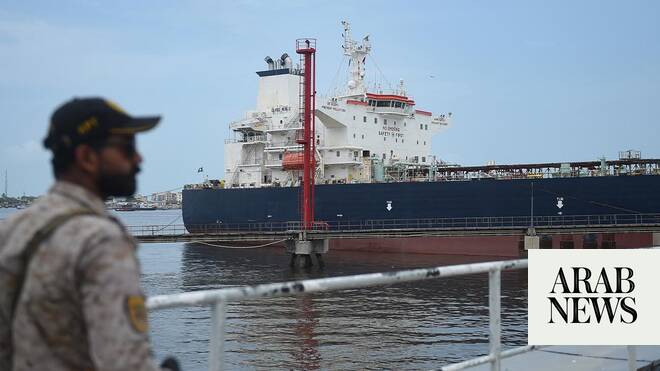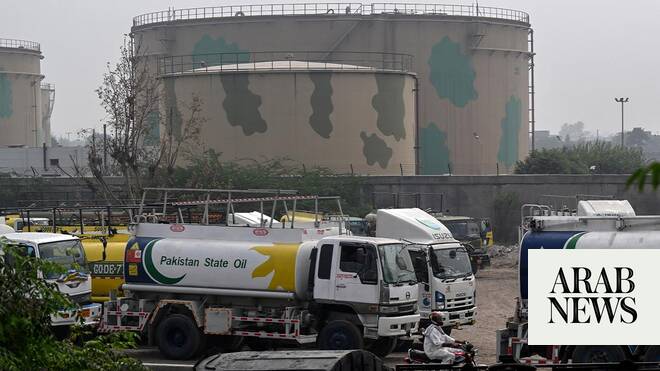
ISLAMABAD: Pakistan on Saturday said support from Saudi Arabia and alternative supply routes were helping sustain fuel imports amid a sharp global oil shock triggered by the ongoing conflict involving Iran, the United States and Israel.
The crisis has driven crude oil prices from around $70 per barrel in late February to as high as $160–170 in recent weeks, disrupting supply chains and raising concerns over energy security for import-dependent economies like Pakistan.
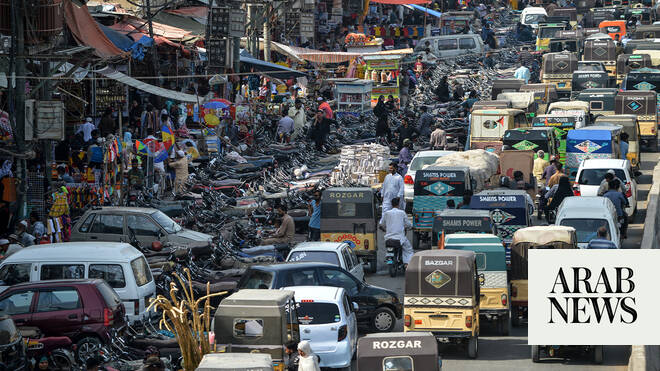
The surge forced Islamabad earlier this month to increase petrol and diesel prices by nearly Rs55 ($0.20) per liter, pushing fuel costs above Rs320 ($1.14) per liter, while also triggering broader inflationary pressures across transport, food and retail sectors.
To manage the impact, the government introduced a series of austerity measures, including closing schools for two weeks, cutting fuel allocations for government vehicles by 50 percent, reducing official travel and shifting public sector offices toward shorter workweeks and remote work arrangements.
“Despite the difficult situation, Saudi Arabia is still providing us oil through alternative routes,” Petroleum Minister Ali Pervaiz Malik said, referring to supply lines that bypass traditional Gulf transit chokepoints.