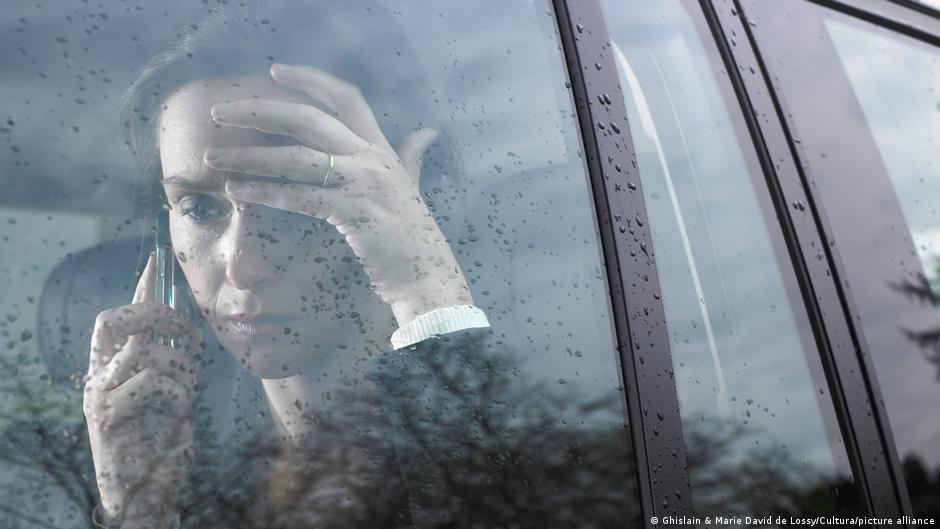
For many people, depression does not feel like dramatic despair. It feels like heaviness; like waking up already exhausted by a day that hasn't yet begun.
“And depression doesn’t just affect mood, it affects functioning,” says Jimmy Noorlander, LCSW, a clinical social worker at Deseret Counseling in Utah. “Getting out of bed can feel overwhelming. Tasks that once felt simple require tremendous effort. Work performance may decline. Relationships often suffer as people withdraw or feel emotionally numb. Energy drops, motivation fades and sleep can become irregular.”
Depression also isn't rare. According to the Centers for Disease Control and Prevention’s National Center for Health Statistics, some 13.1% of adolescents and adults age 12 and older experience it.
Understanding what this condition is – and what it is not – is often the first step toward finding relief. Here’s what depression involves, what causes it and what treatments are most effective.
While feeling sad after a disappointment or a loss is a normal part of being human, clinical depression, formally known as major depressive disorder, is a medical condition. “It is diagnosed when the negative symptoms experienced last at least two weeks and cause significant impairment in functioning,” says Juanita Guerra, PhD, a clinical psychologist in New Rochelle, New York.