Habermas’ political consensus-building theory argued formation of public opinion vital for democracies to survive
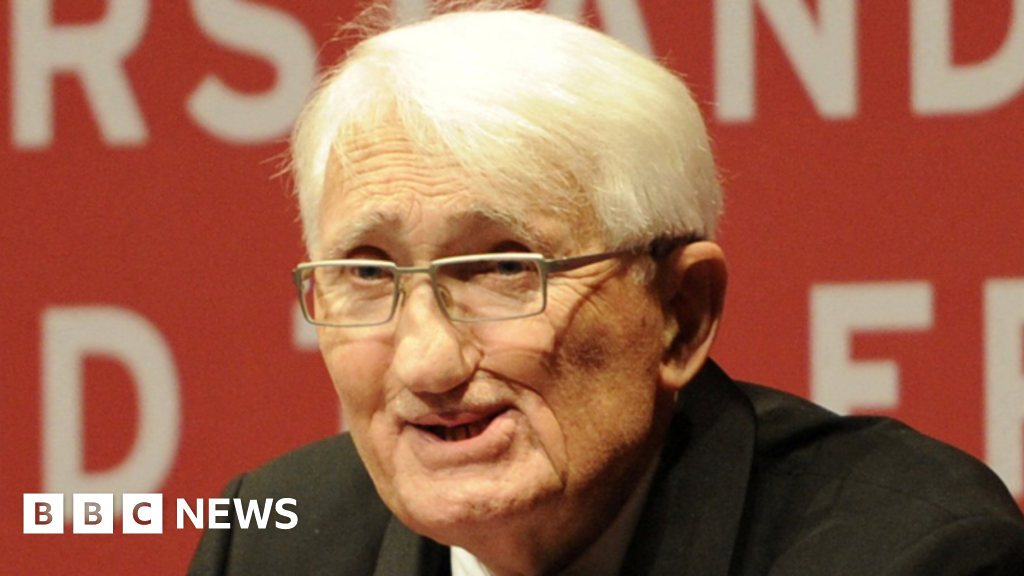
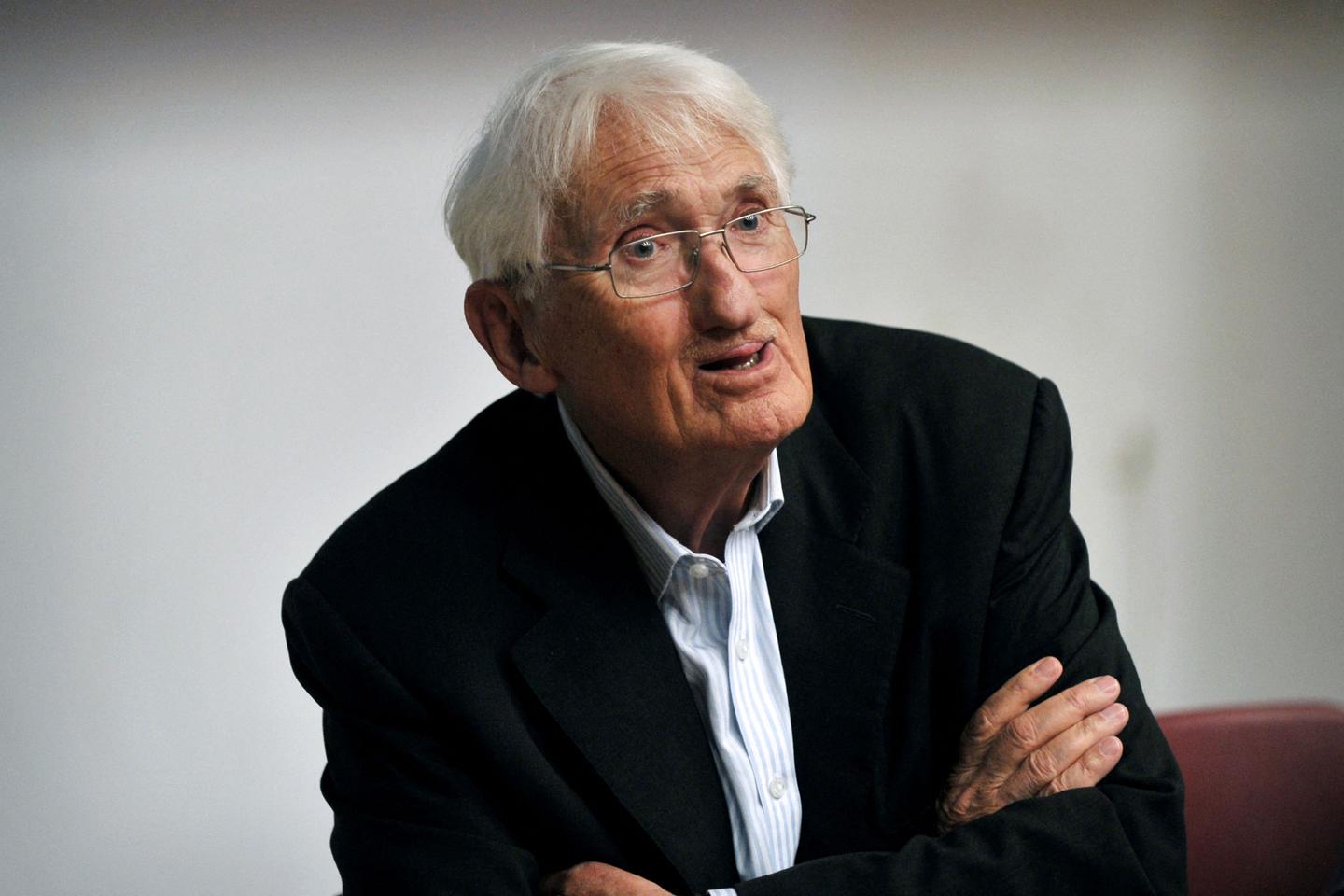
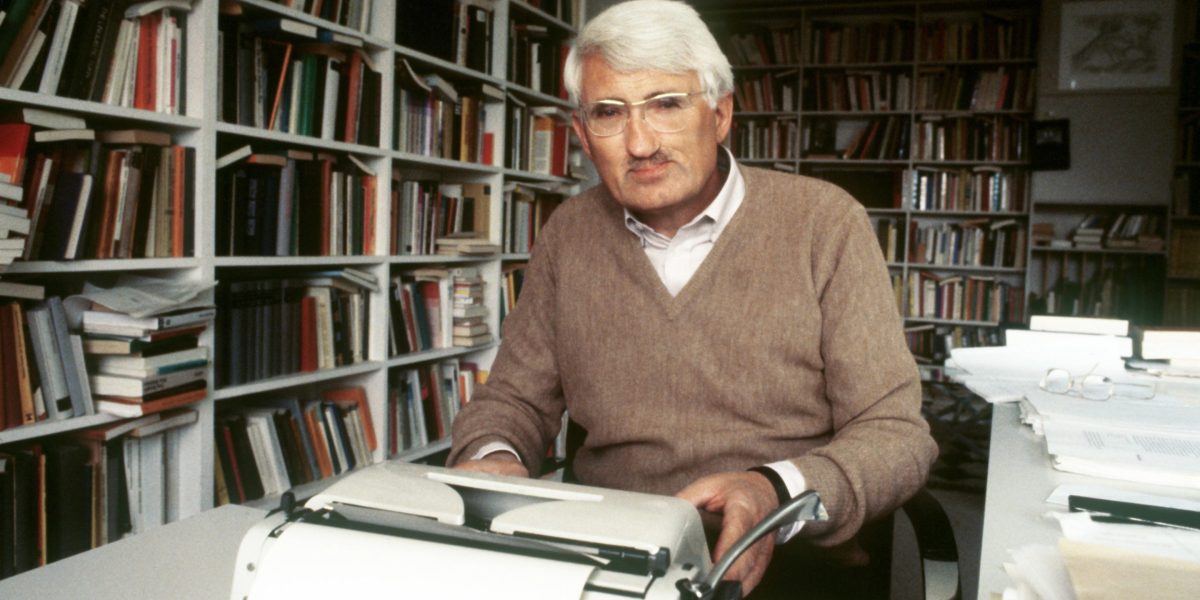
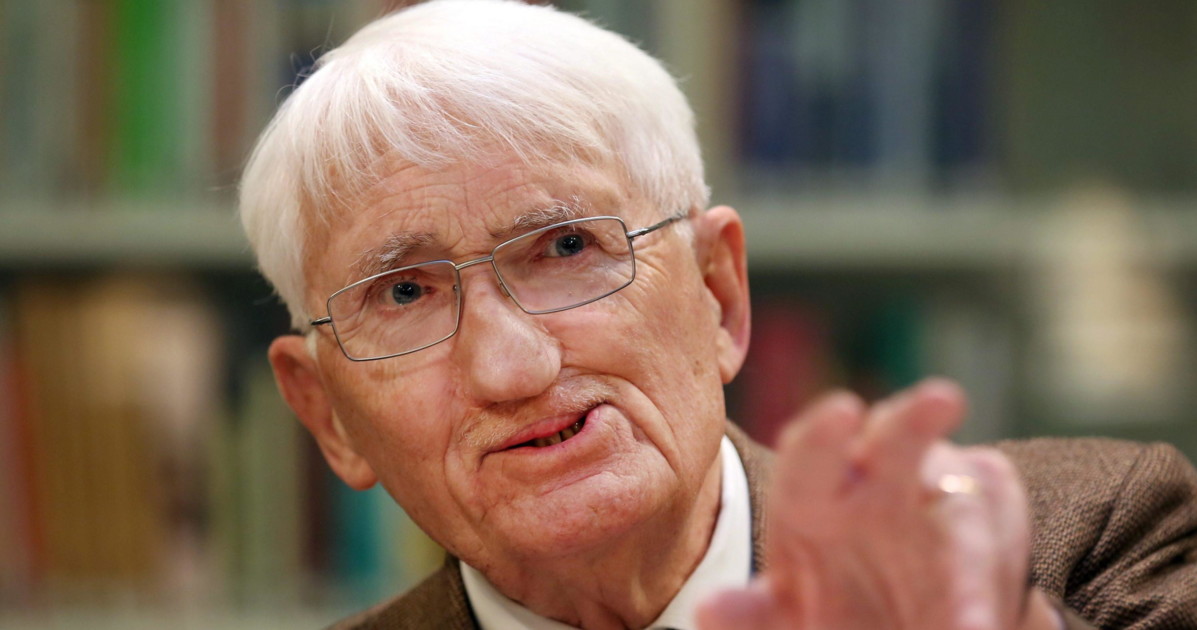
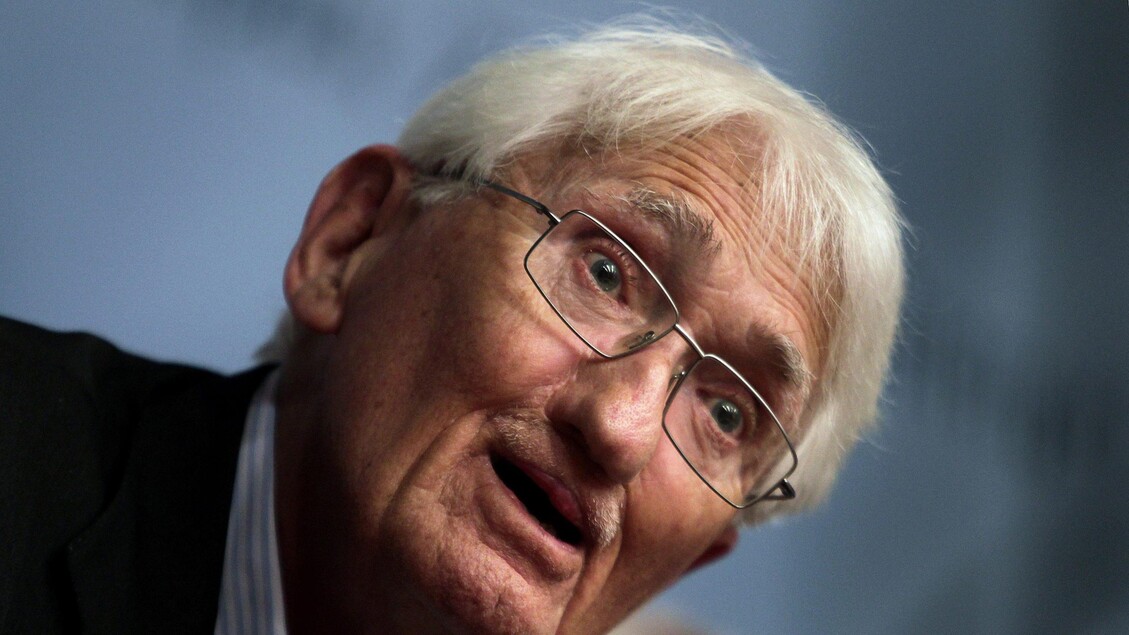
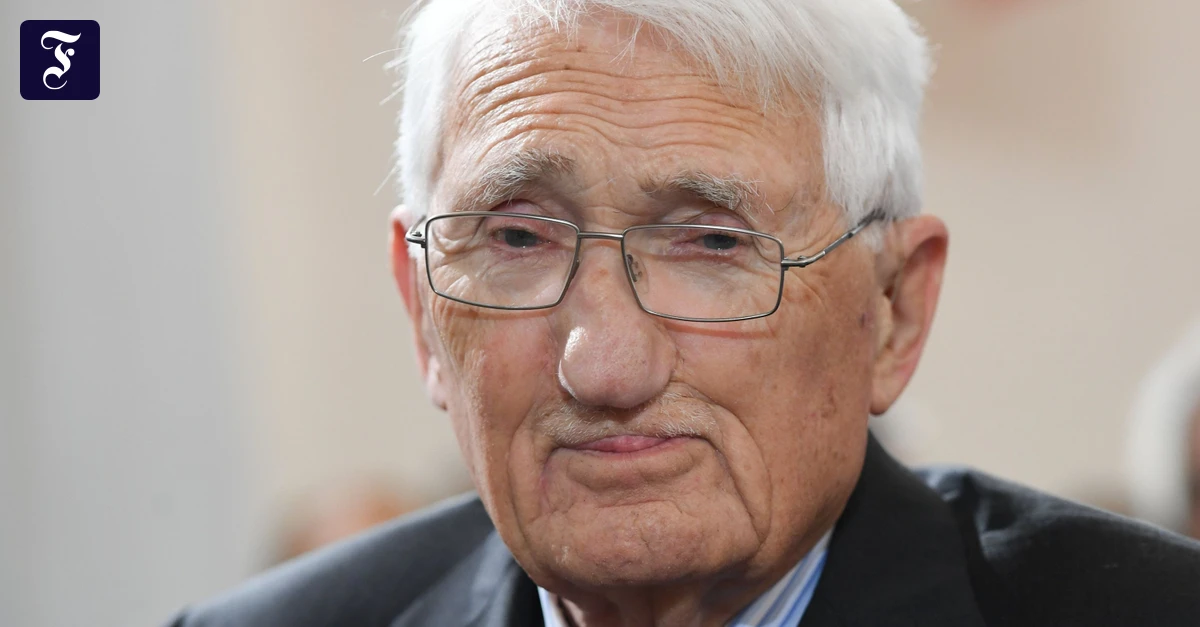
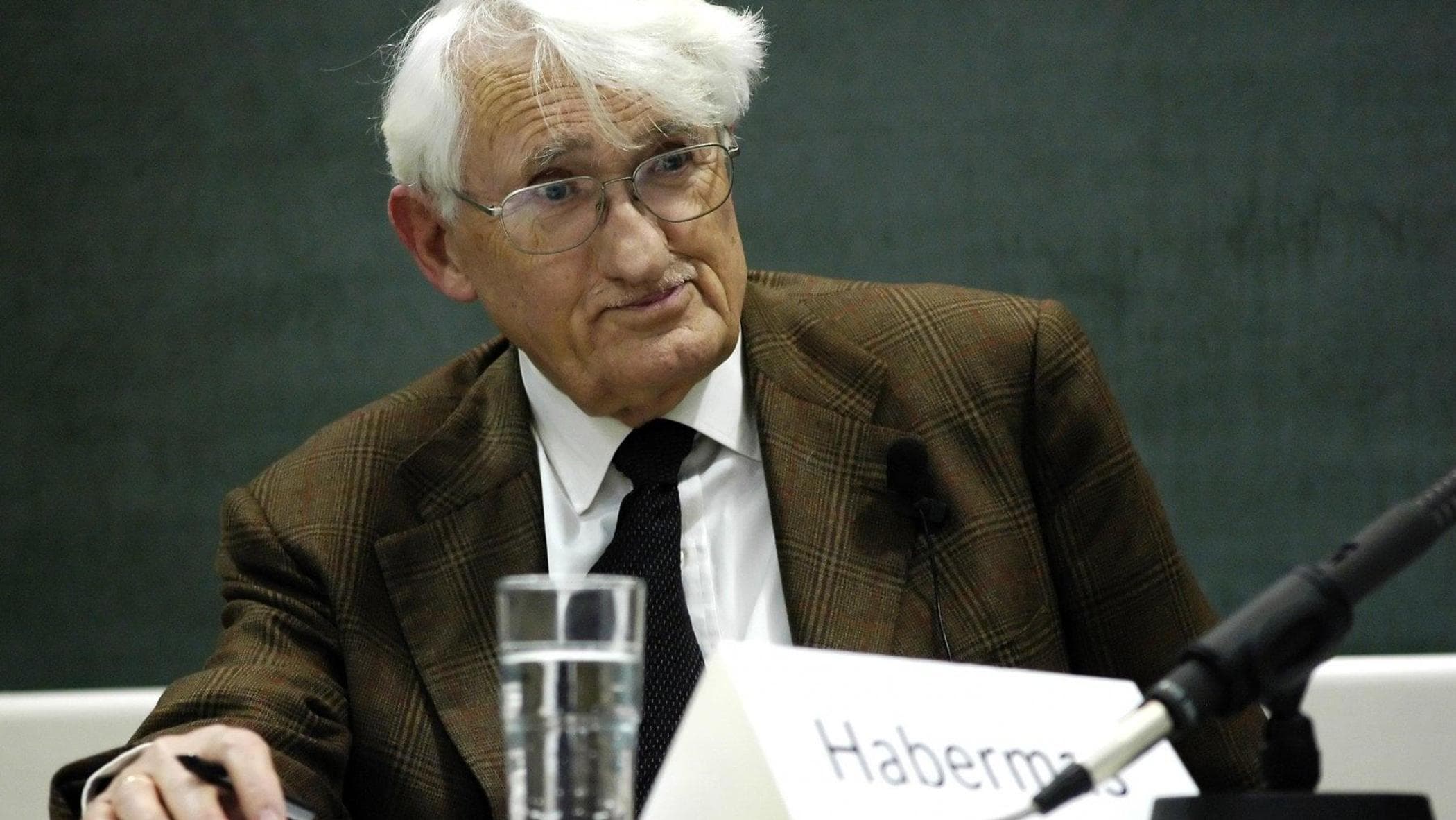
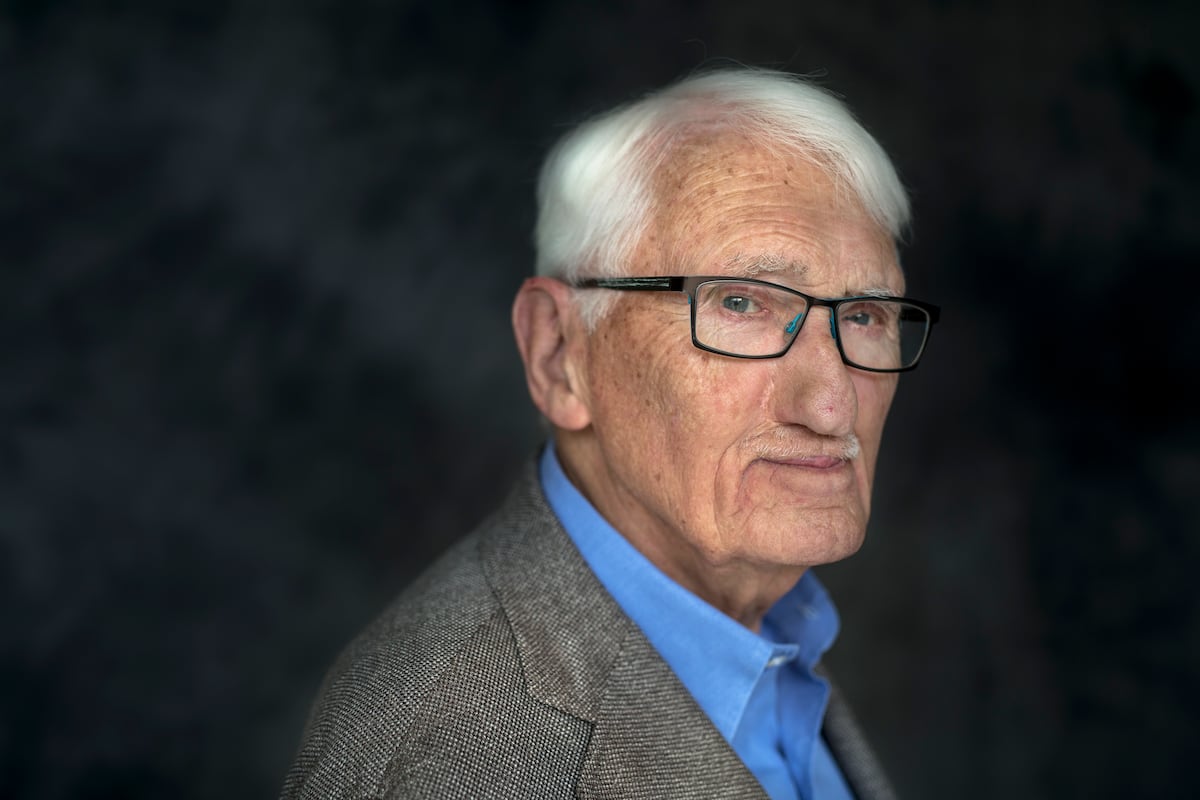
The influential German philosopher and sociologist Jürgen Habermas has died at the age of 96, his publisher has said.
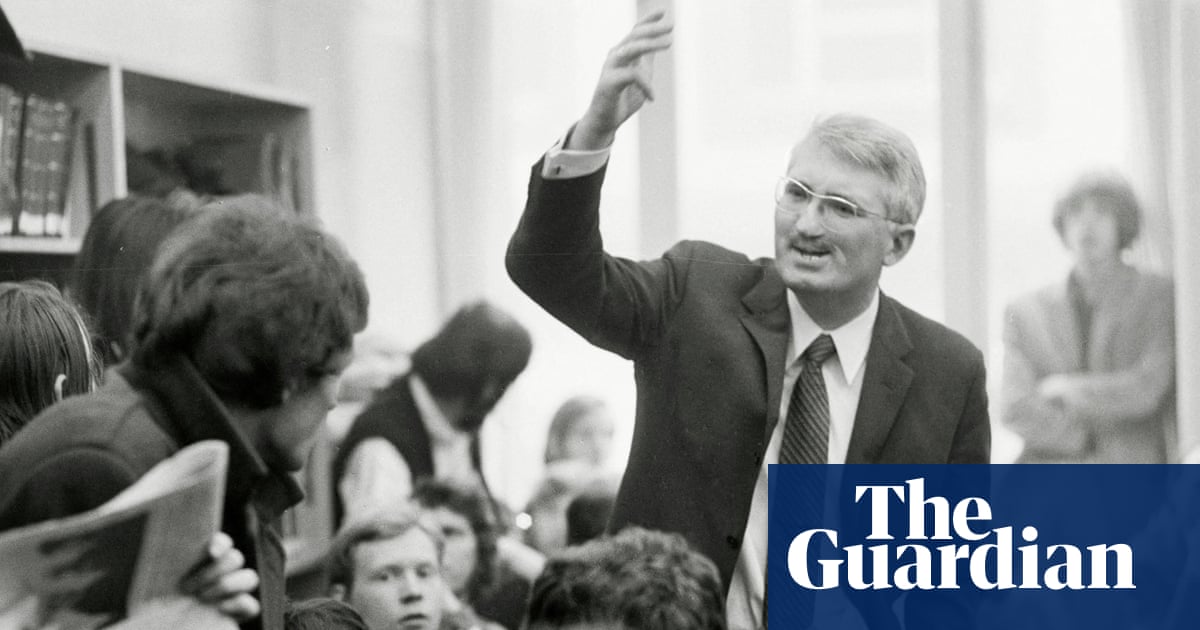
Habermas, a towering figure in the intellectual history of postwar Germany, is best known for his theory of political consensus-building. Widely considered one of most influential philosophers of the 20th century, he also helped to shape the discourse around European integration and the formation of the EU.
In spite of his background in the neo-Marxist Frankfurt school and his reputation as a court philosopher of the Social Democratic party, his influence cut across party lines. German chancellor, Friedrich Merz, of the conservative Christian Democratic Union, described him as “one of the most significant thinkers of our time”.
“His analytical acuity shaped democratic discourse far beyond our country’s borders and served as a beacon in a stormy sea,” Merz said in a statement. “His voice will be missed”.