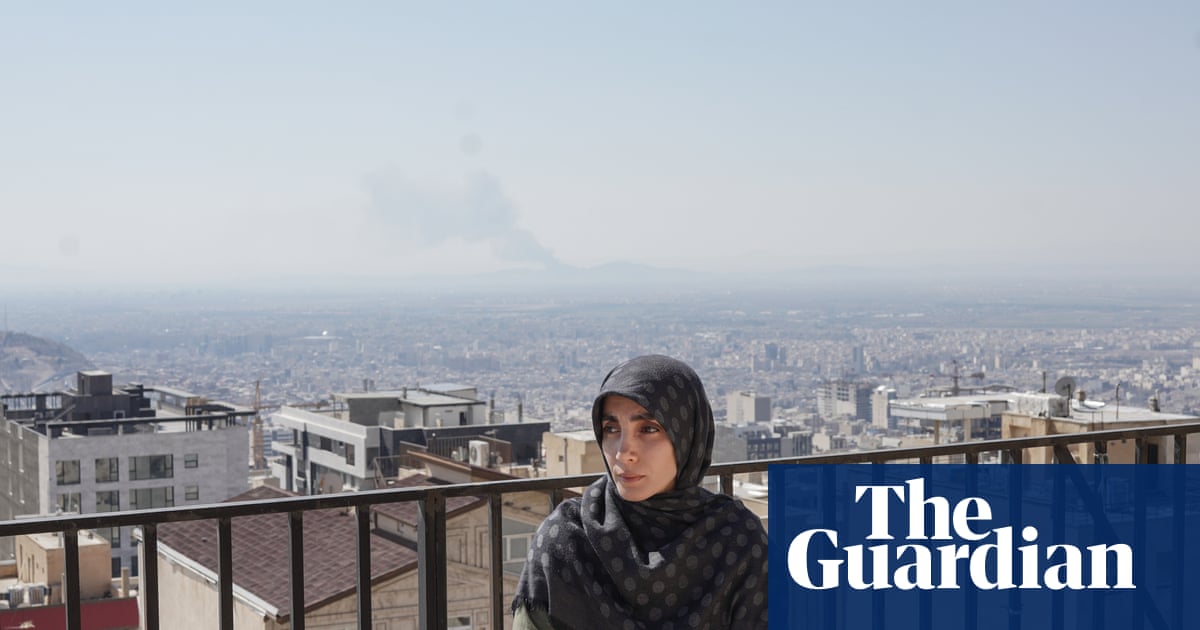
After bombs exploded near her home in the eastern Iranian city of Golestan, hairdresser Merve Pourkaz decided to leave.
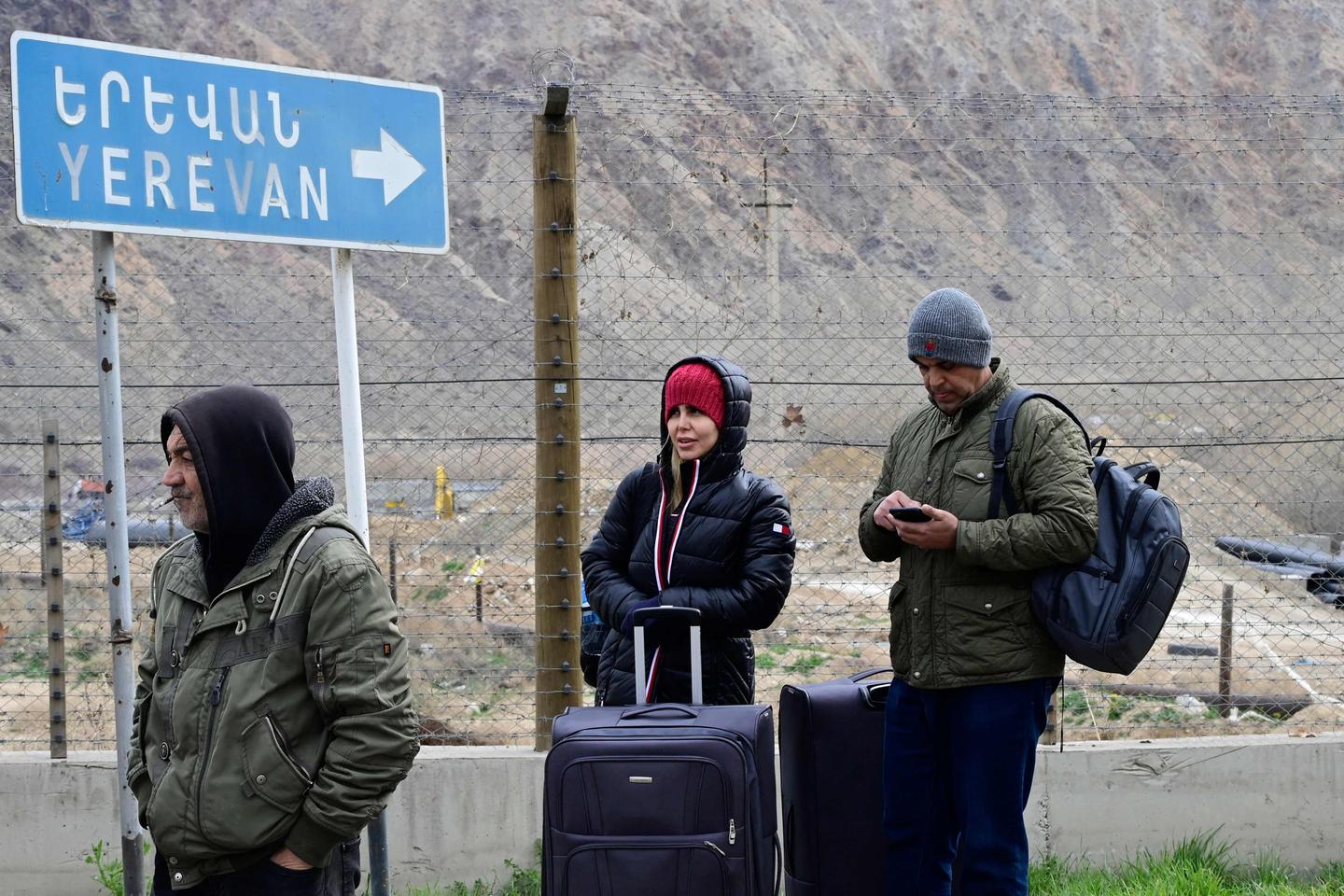
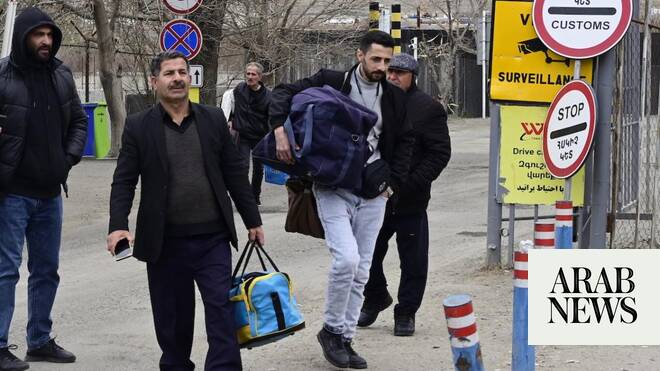
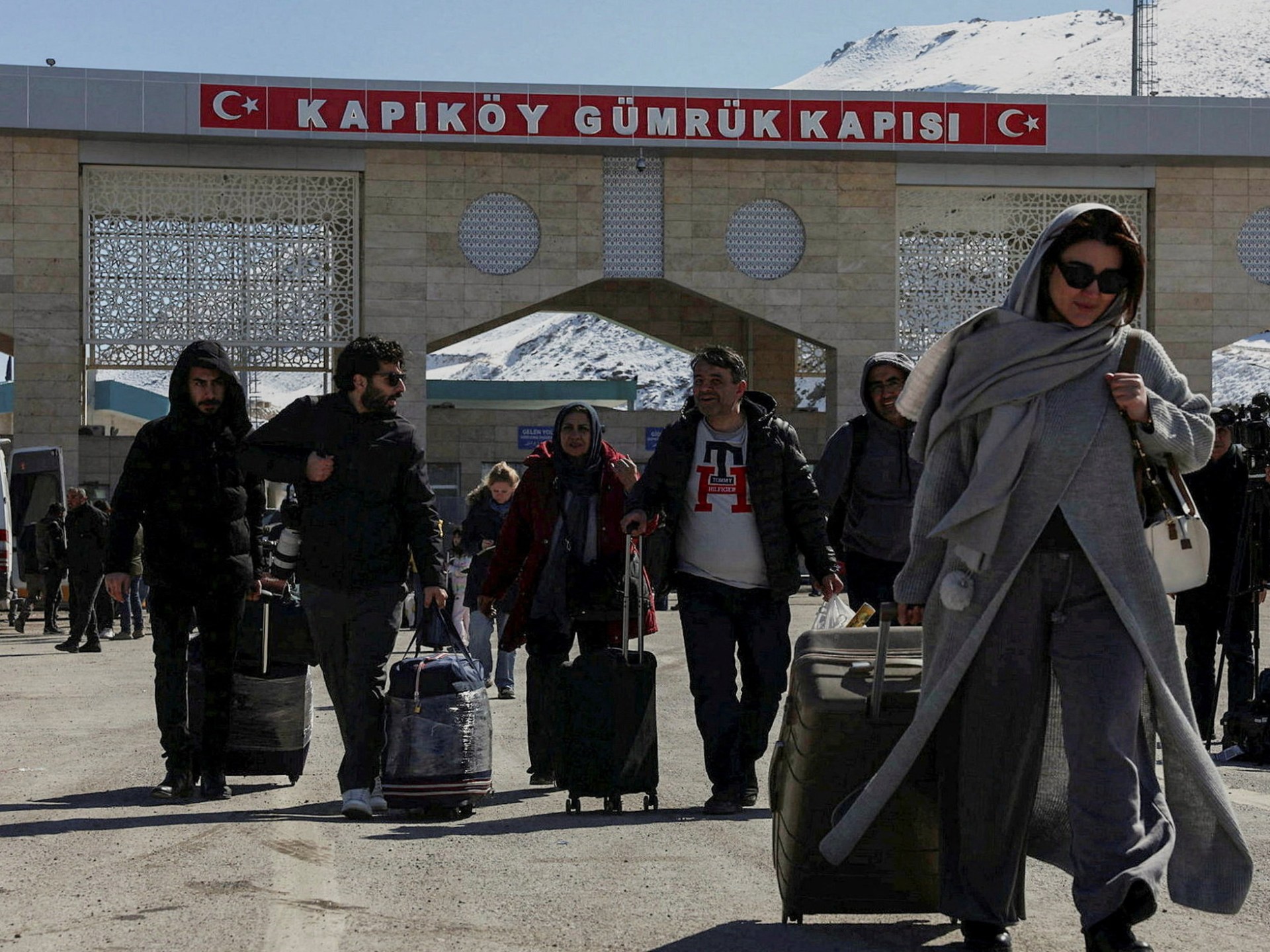
Pourkaz, 32, said she traveled nearly 1,500 kilometers (932 miles) to an alpine border crossing in the hopes of reaching the safety of the nearby Turkish city of Van.
“If they let me, I will stay in Van until the war ends,” she told The Associated Press recently while waiting at the crossing. “If the war doesn’t end, maybe I’ll go back and die.”
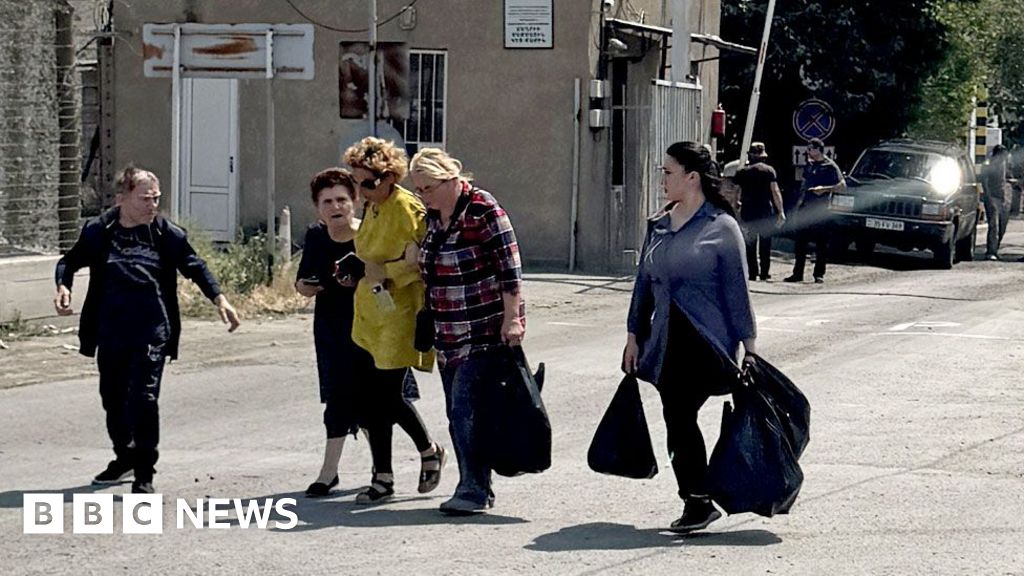
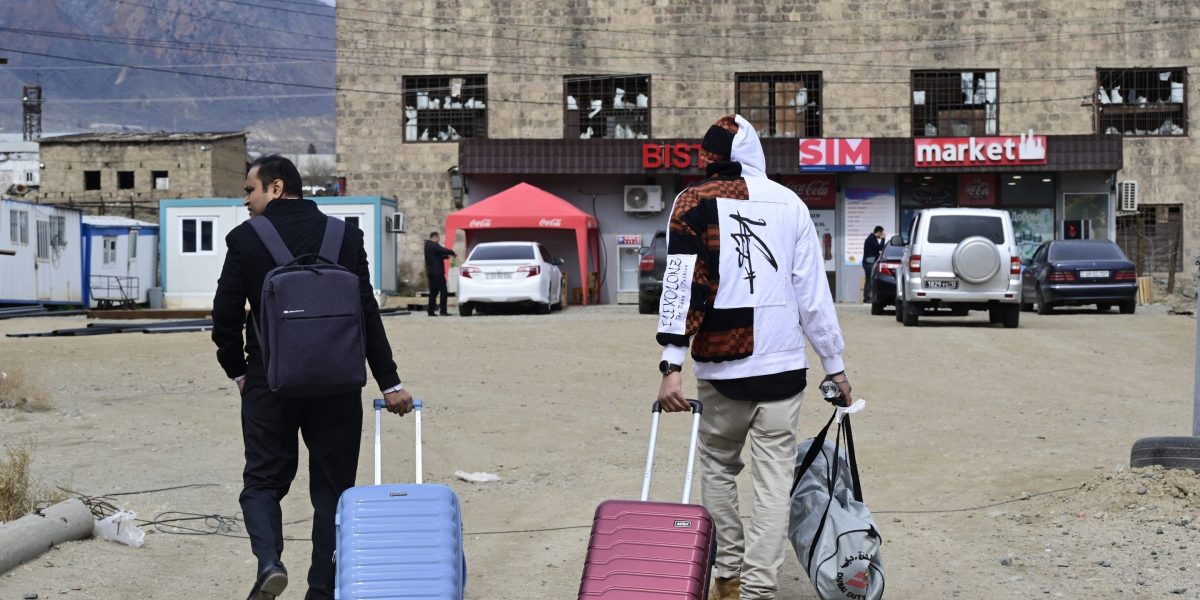
Pourkaz is one of the 3.2 million people in Iran who the U.N. refugee agency estimates have been displaced since the U.S.-Israel war with Iran started. While some are seeking shelter in safer parts of Iran or one of its neighboring countries, others are returning from abroad, heading toward the fighting to protect their families and homes.
So far, relatively few people have chosen to leave: The U.N. estimates that only about 1,300 Iranians have fled via Turkey each day since the war started, and on some days, more people return to Iran than depart. But Iran’s neighbors and Europe are growing increasingly concerned about a possible migration crisis should the war drag on and are making contingency plans.