https://arab.news/gsubr
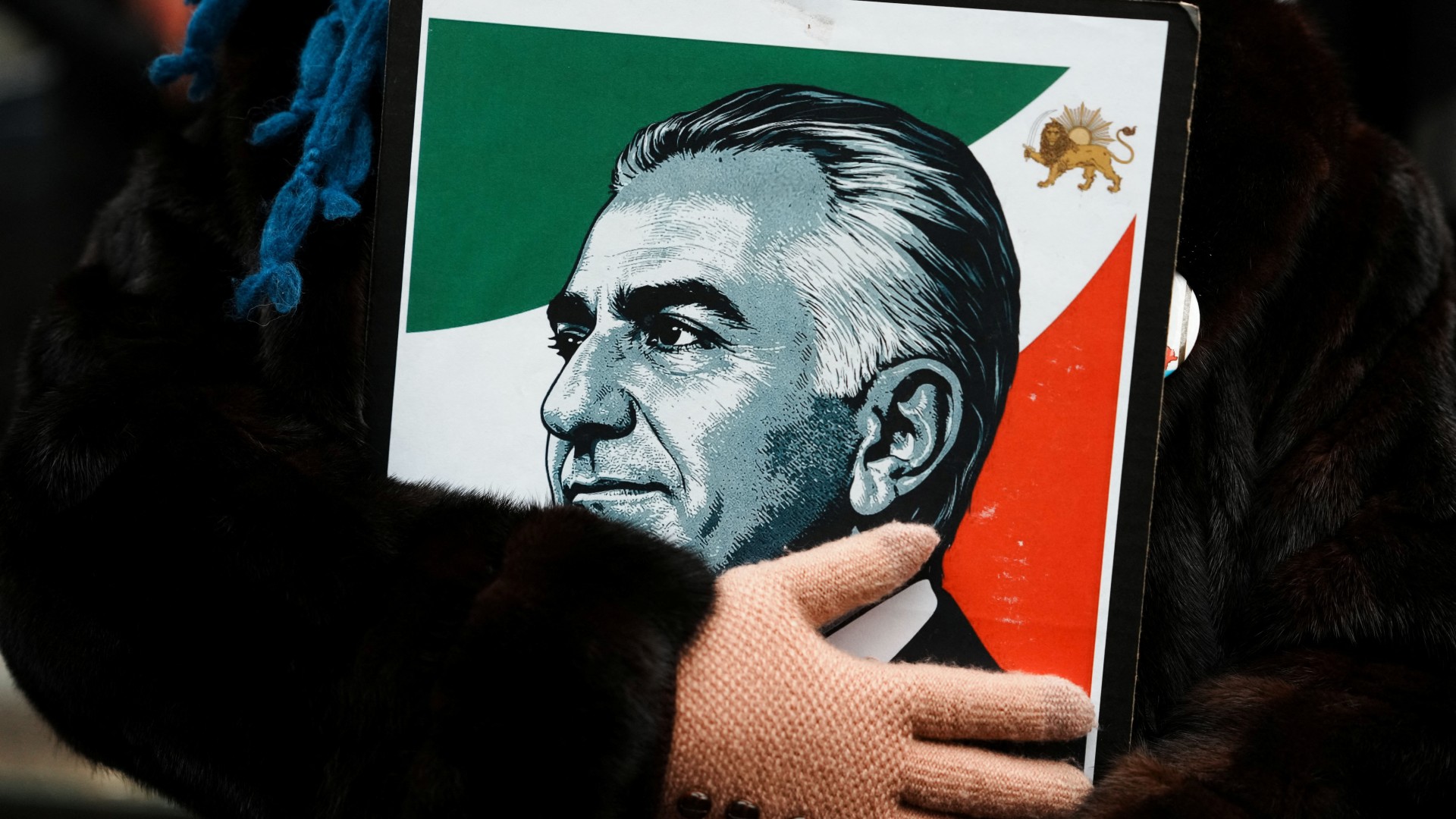
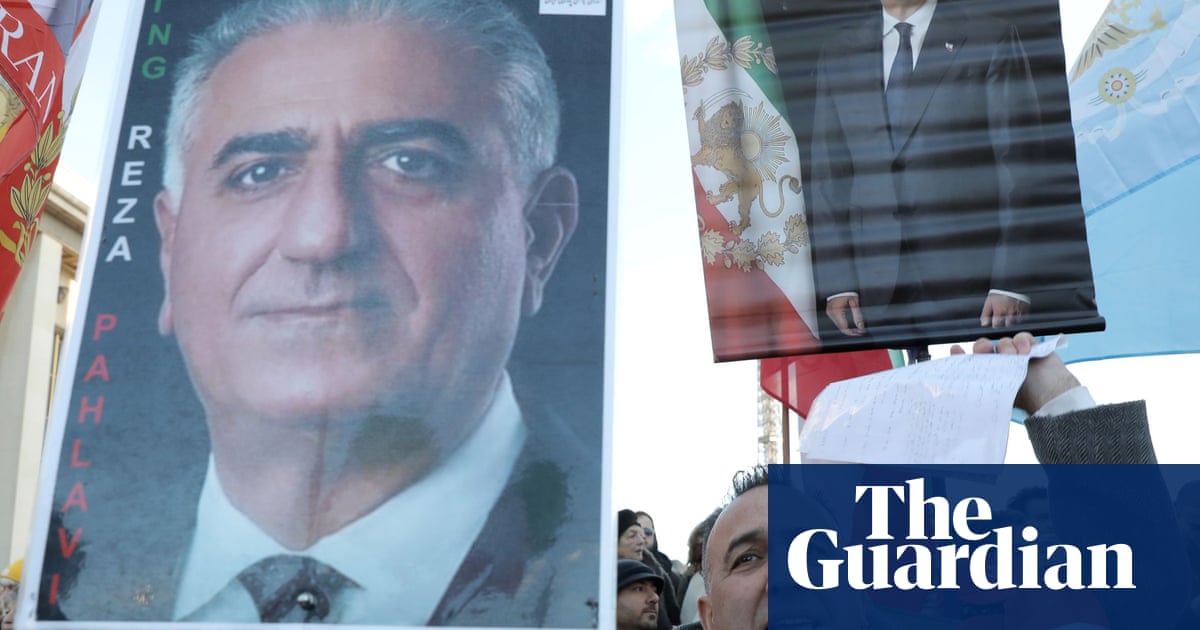
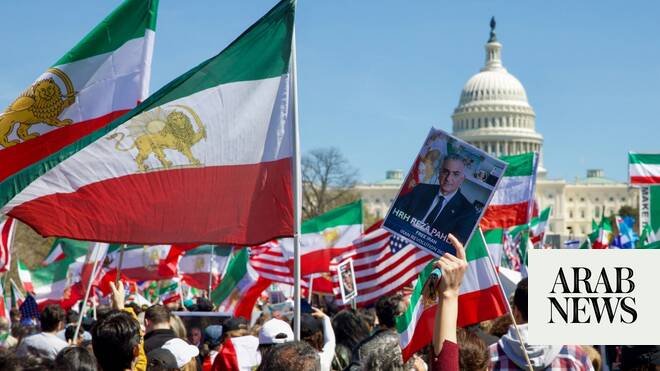
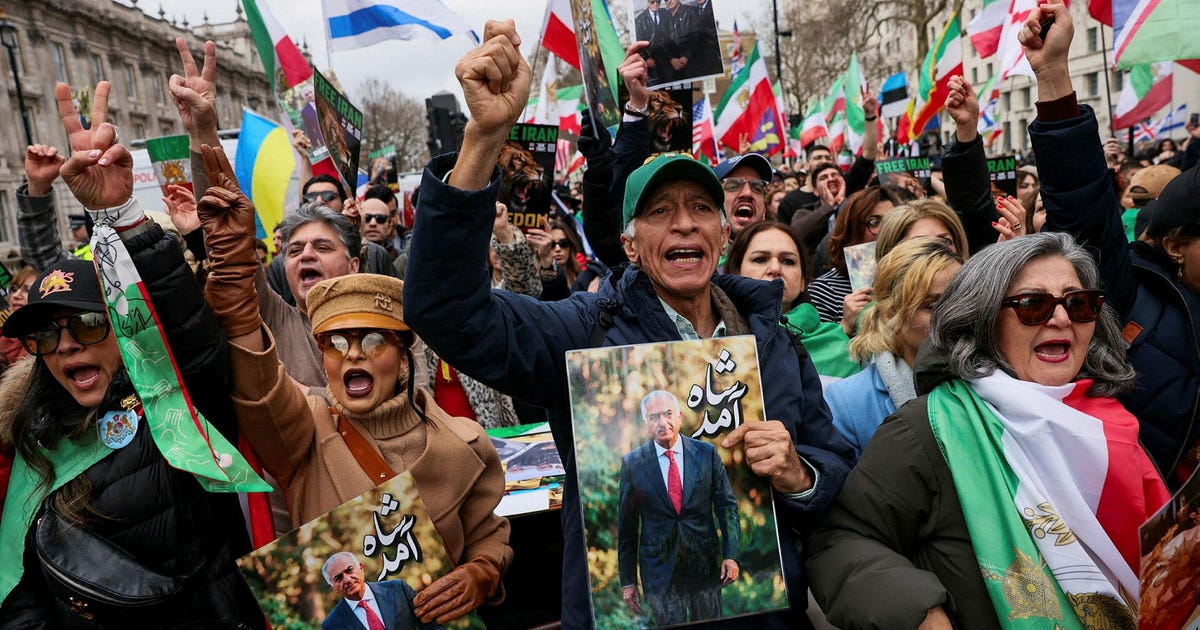
Talk of restoring the shah’s monarchy has surged since the start of the US-Israeli war against Iran two weeks ago, more than at any time since the fall of the Pahlavi regime in the late 1970s.
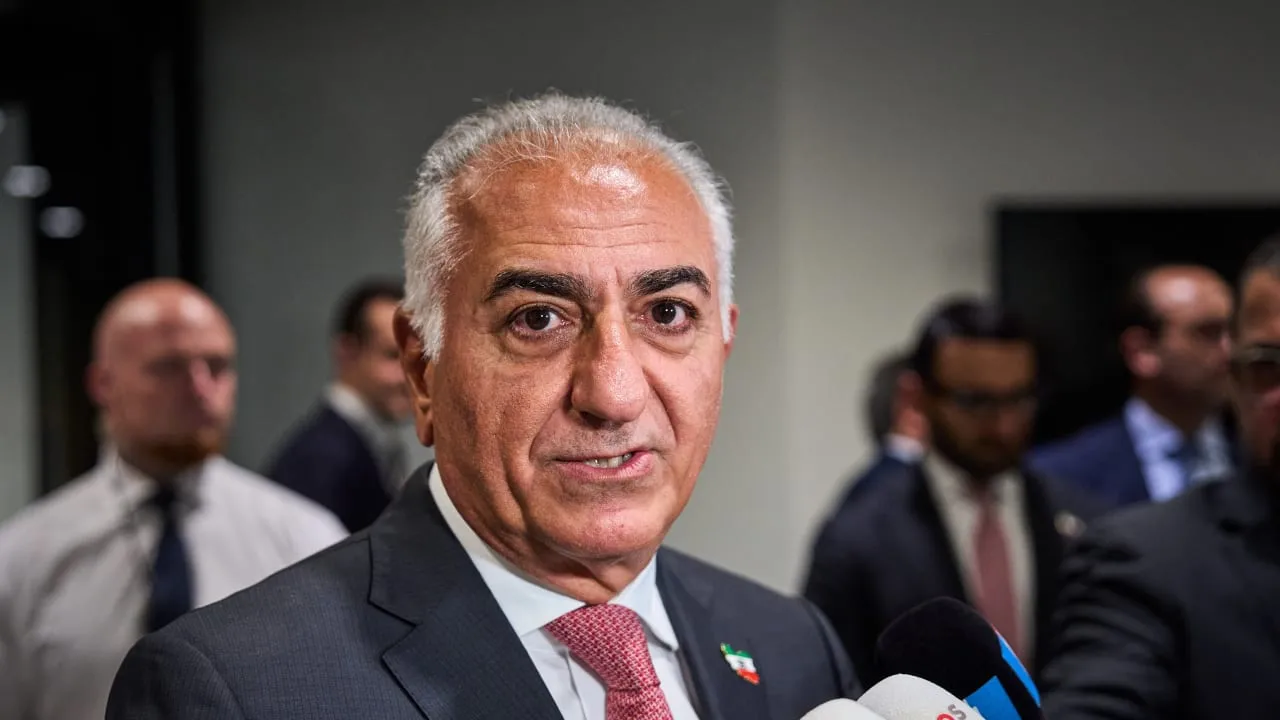
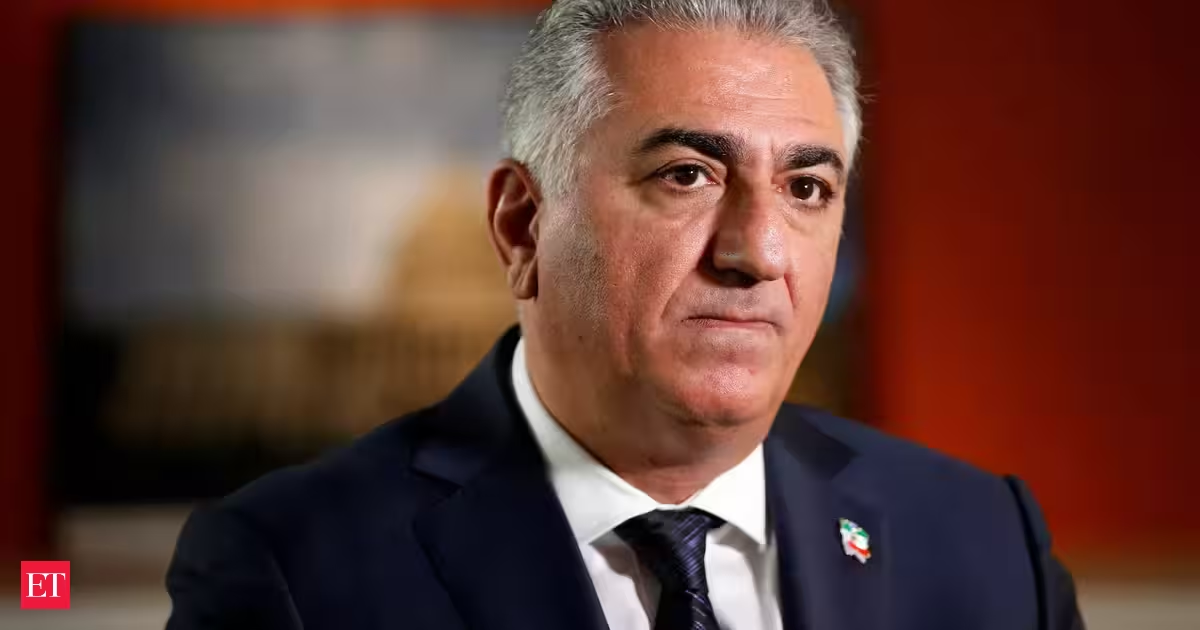
Estimates suggest about one-third of Iranians support the return of Reza Pahlavi, the shah’s son, though such figures are debated. Some believe the true number might be even higher, driven by the failure of the current religious system.
Yet Iran might instead be heading toward a different form of hereditary rule; Mojtaba Khamenei, the son of the late Supreme Leader Ali Khamenei, killed by a strike in the early stages of the conflict, has reportedly been chosen over other religious figures as his father’s successor. The rise of “Khamenei II” leads to a similar outcome: it might not be a monarchy but it is still hereditary rule, one that lacks the traditional legitimacy associated with dynastic succession.
Most likely, this is an attempt to resolve the crisis facing Iran’s institutional religious system, which suffers from having multiple competing centers of decision-making and overlapping authority.