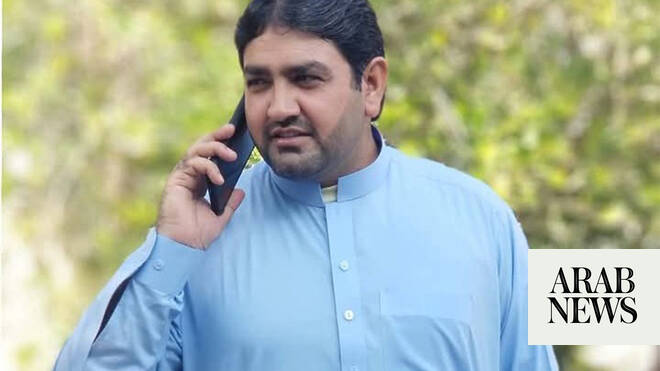
ISLAMABAD: For days, Nazar Ali told his daughter-in-law a gentle lie: authorities in the United Arab Emirates (UAE) had confiscated all mobile phones and her husband, Mureeb Zaman, would call home as soon as he got it back.
In reality, Zaman, a 40-year-old Pakistani driver who had spent eight years working in the UAE to lift his family out of poverty, had already been killed by missile fragments during an aerial interception over Abu Dhabi amid an escalating conflict in the Middle East.
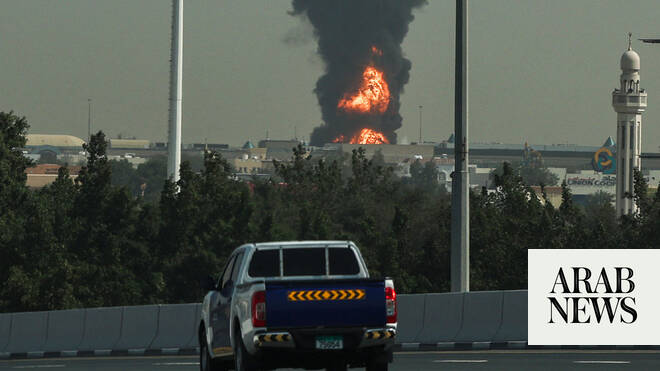
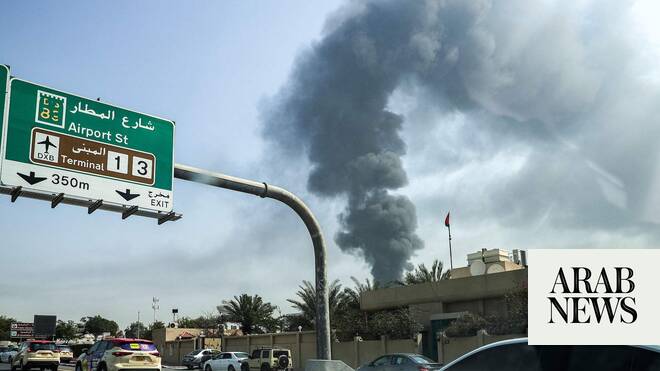
The conflict began on Feb. 28 after the United States and Israel launched strikes on Iran following weeks of escalating tensions between Tehran and its regional adversaries. The attacks triggered retaliatory drone and missile strikes by Iran targeting commercial and US-linked interests across the Gulf region, prompting air defense systems in several countries to intercept projectiles in the skies above major cities.
As interceptors met incoming missiles over the Emirati capital that night, falling debris struck Zaman, ending years of work he hoped would secure a better future for his five children in one of Pakistan’s most volatile regions.
“I found out the same day because nowadays it is the age of the Internet,” Ali, Zaman’s father, told Arab News during a condolence gathering at his residence last week.