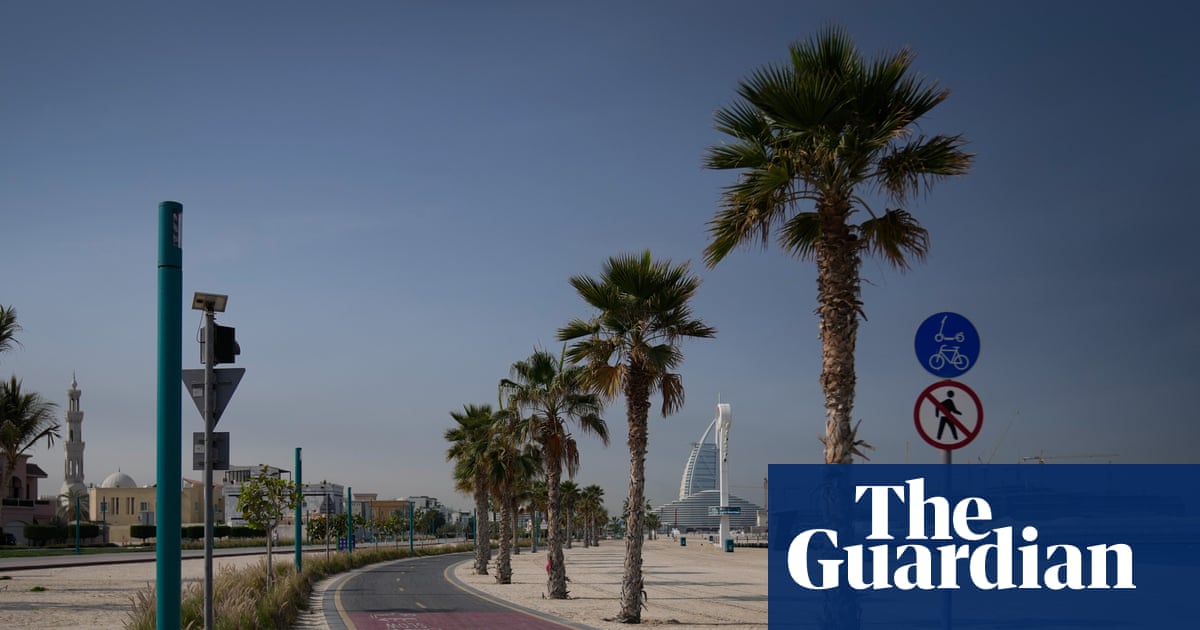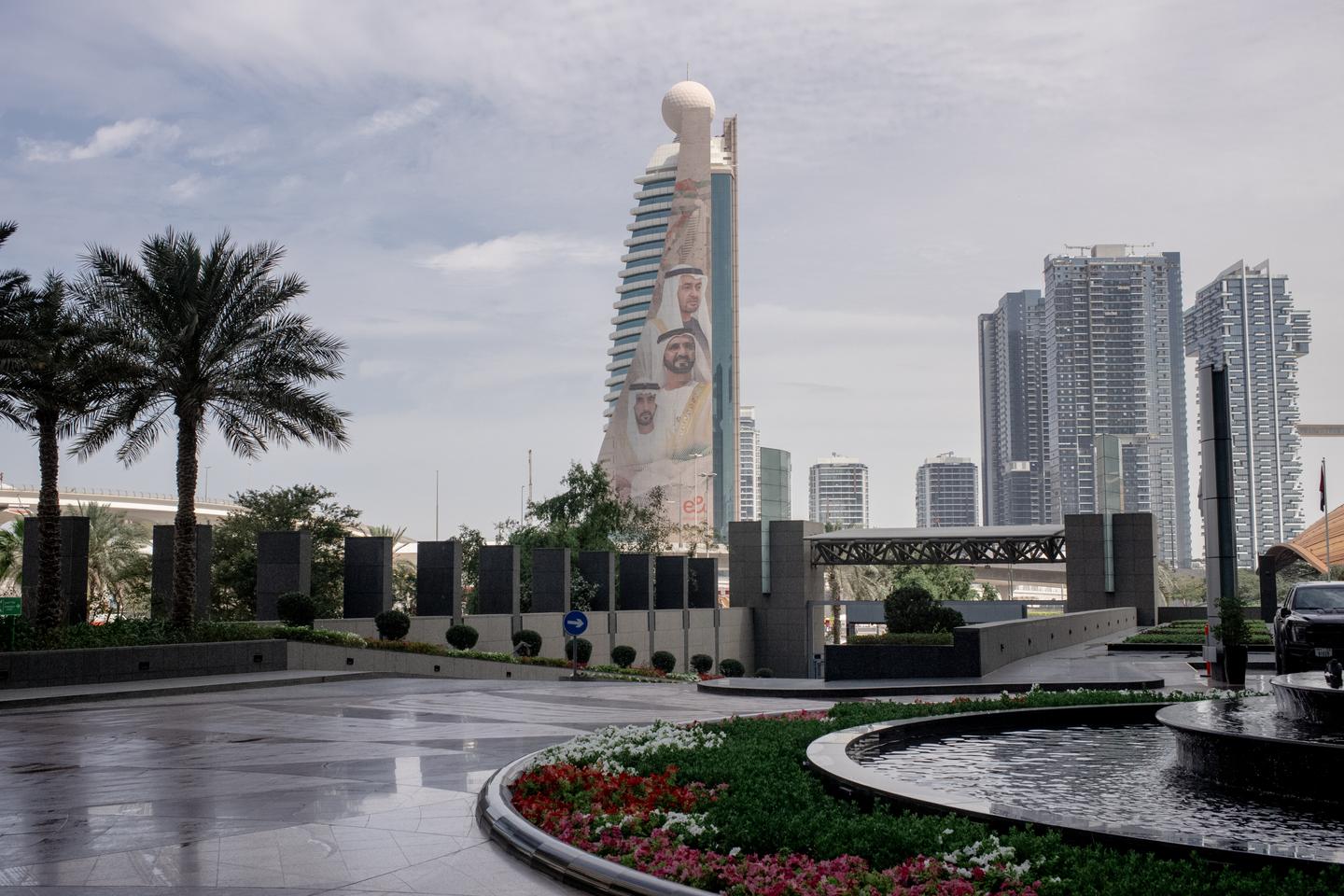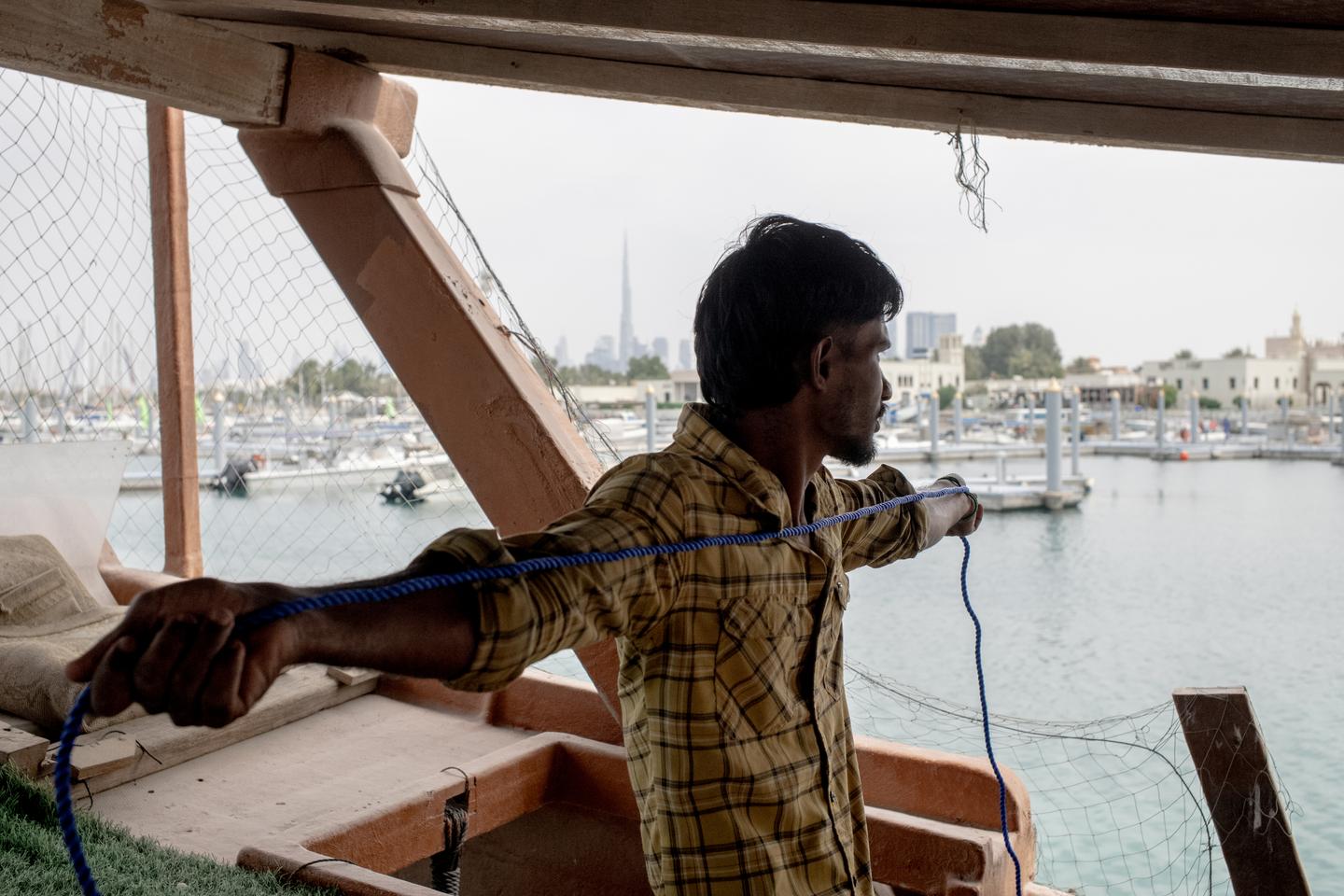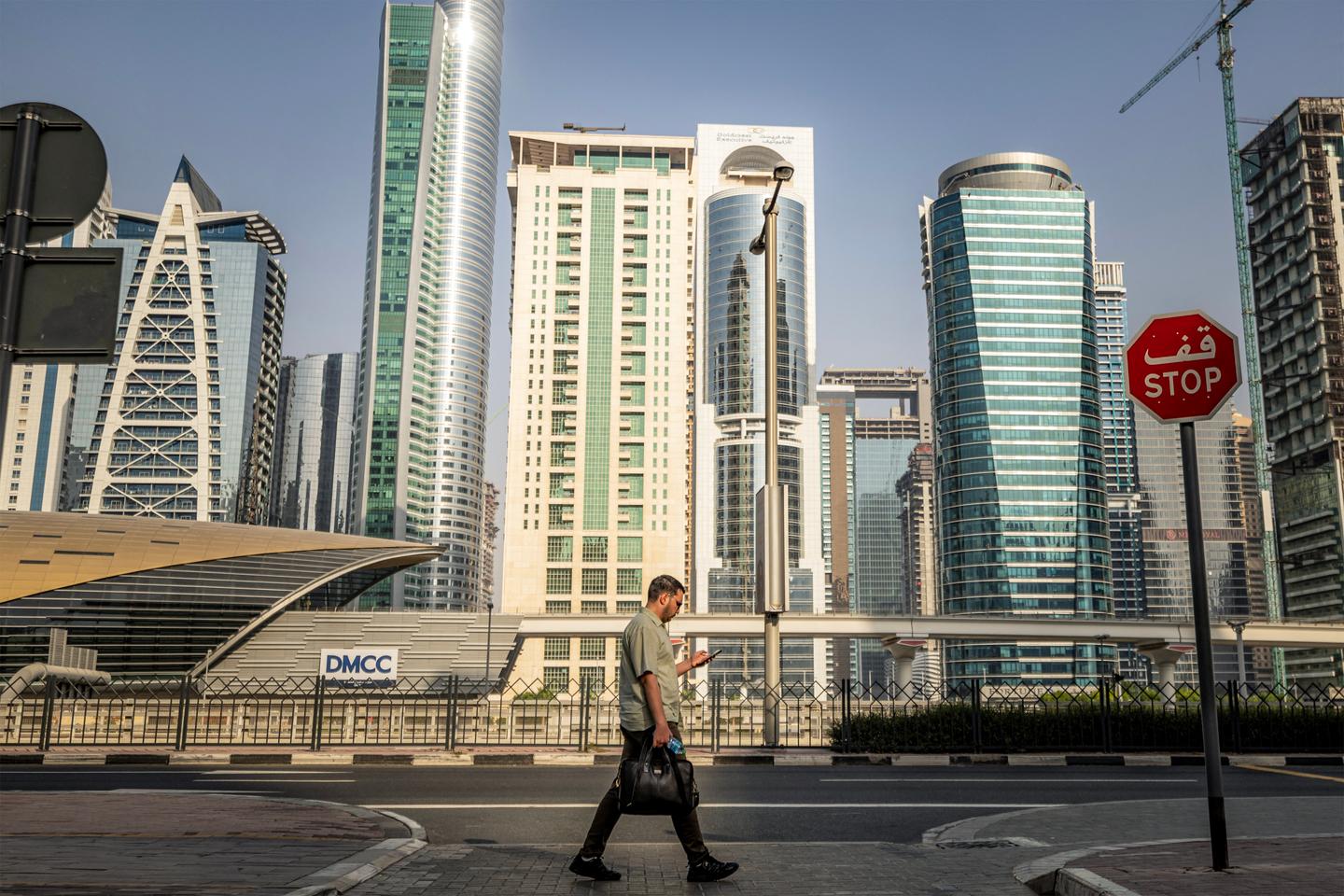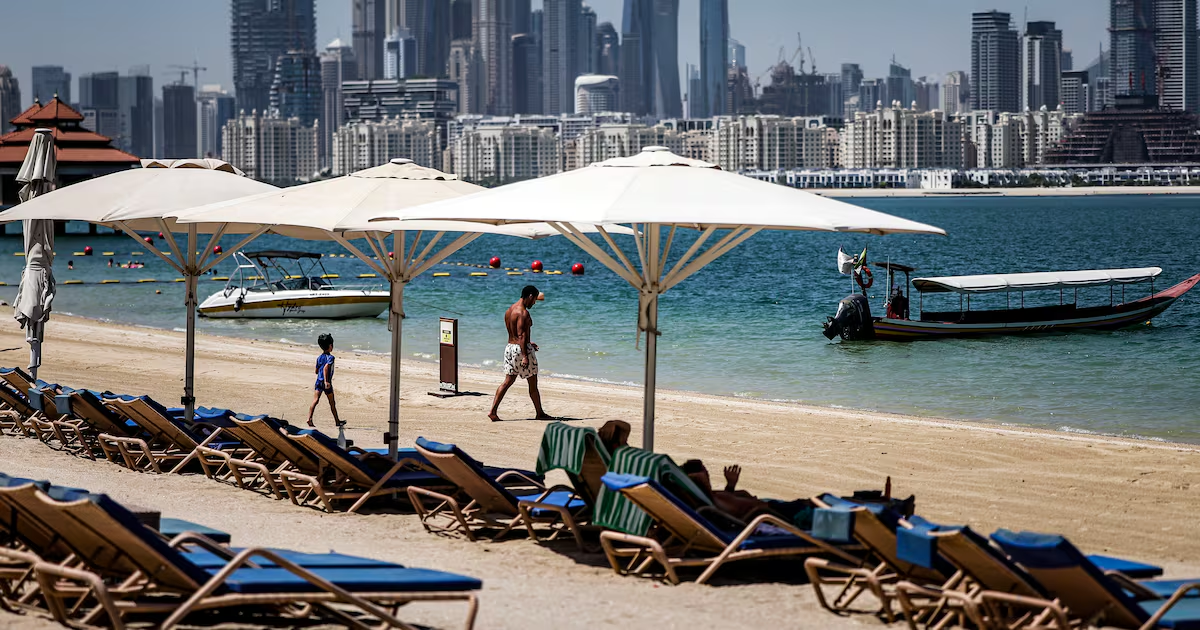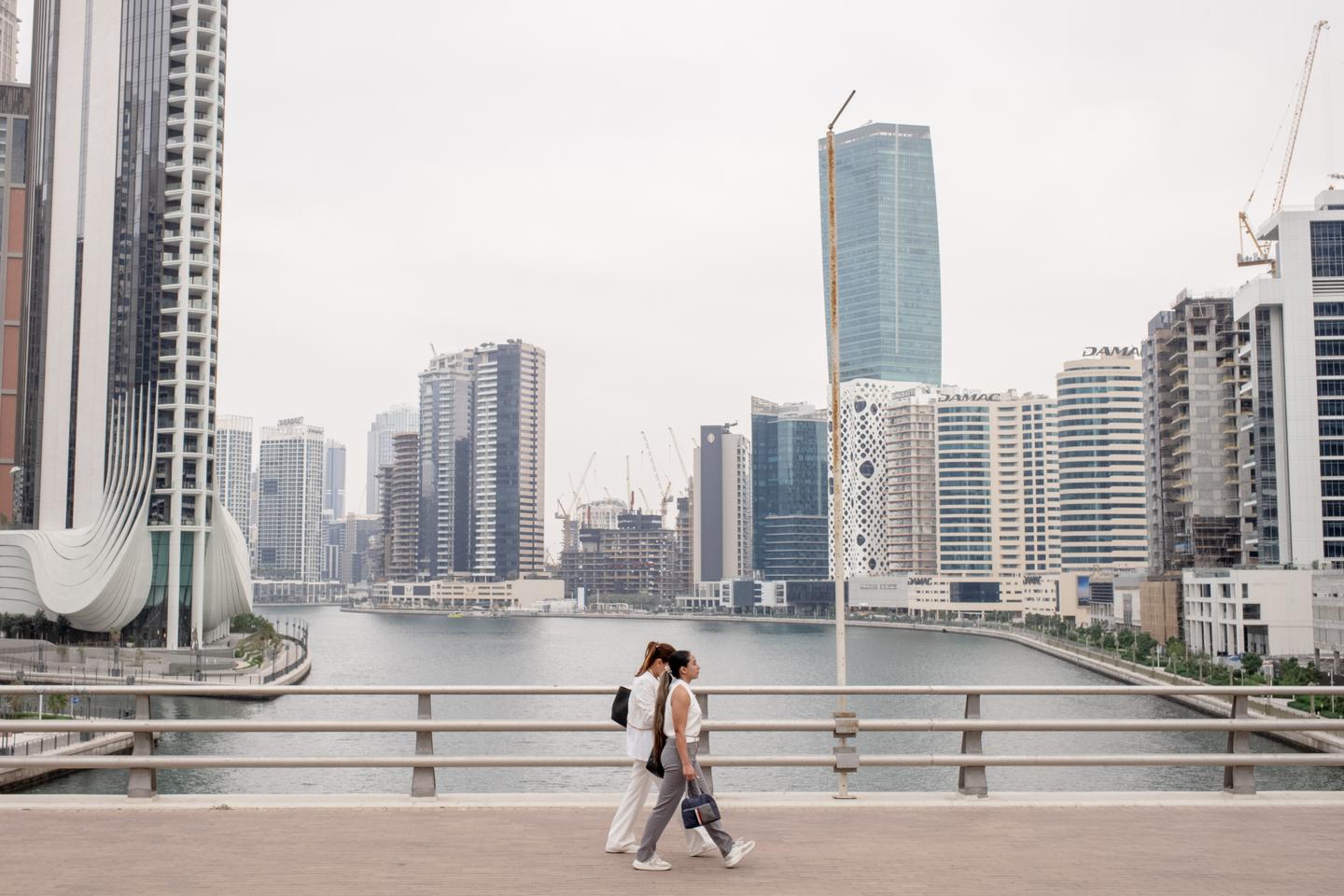
Above the Al Jadaf Canal in the Business Bay district of Dubai, United Arab Emirates, March 7, 2026. PHILÉMON BARBIER/HORS FORMAT FOR LE MONDE
On the phone, the man's voice trembled. Reza (a pseudonym, as with all names in this article) declined to meet in person. "My wife and son are still in Tehran, you understand," he said. "It's very difficult to reach them, but I sometimes manage to do so using an app that you can't install from abroad but which, thank God, I had on my phone. Four hours ago, my family was still alive."
Based in Dubai for the past two years, working in food import-export, the Iranian businessman is living in fear of two things: reprisals against his loved ones by a regime in the throes of collapse, and being ostracized in a country targeted by daily Iranian strikes. A double nightmare.
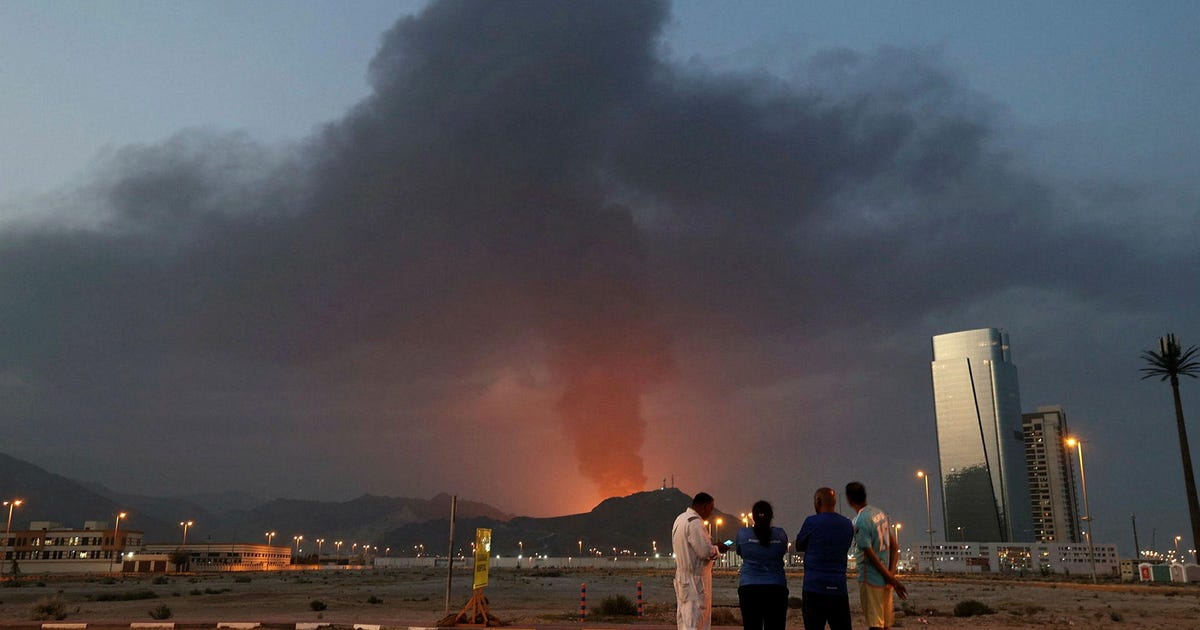
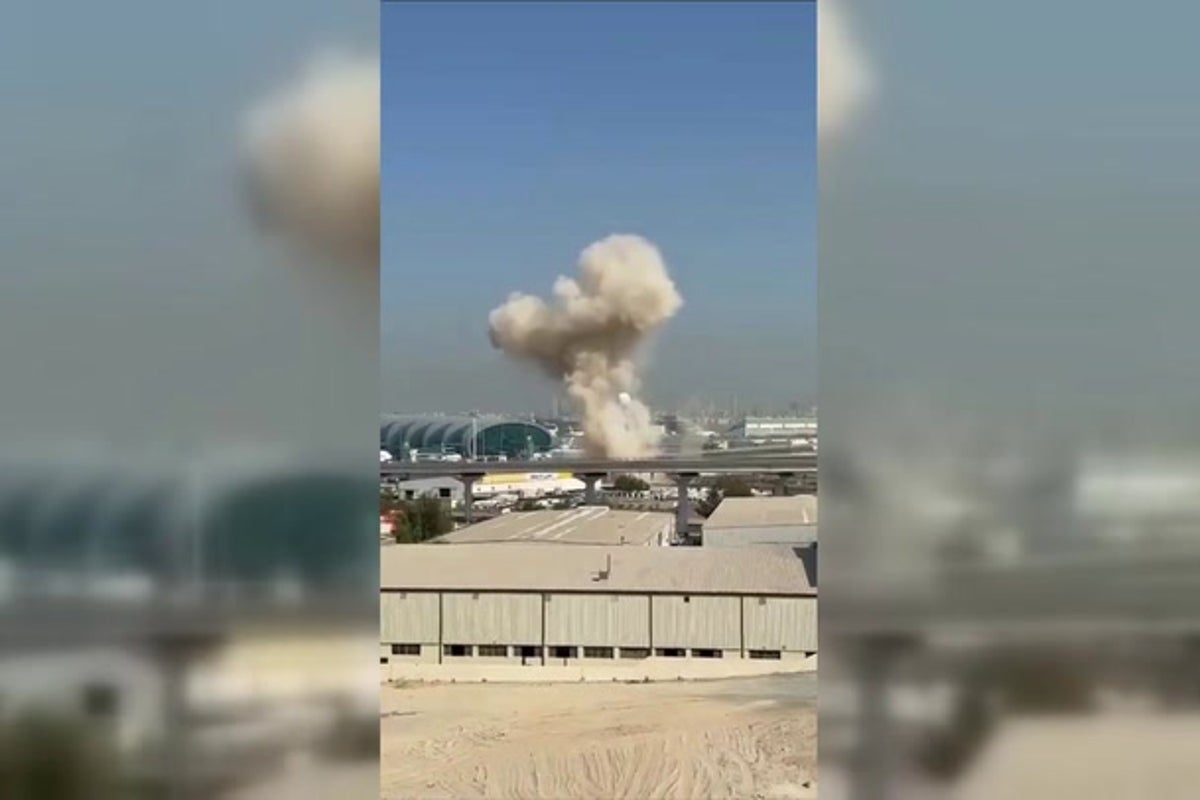
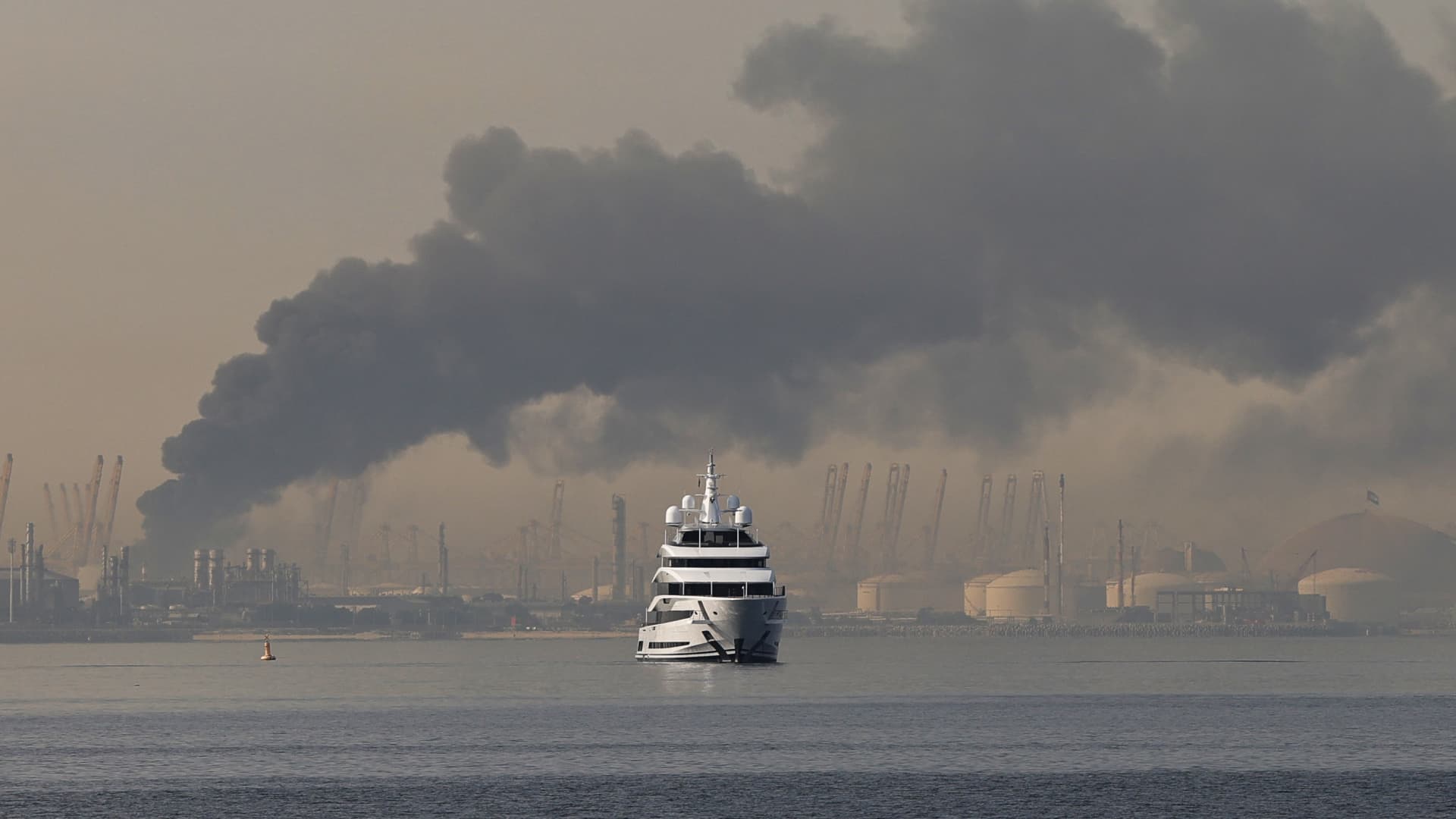
The military operations launched on February 28 by the United States and Israel against Iran were met on the same day with a barrage of Iranian missiles and drones – attacks that have continued uninterrupted – targeting the territory of the United Arab Emirates. On Tuesday, March 10, the Ruwais industrial complex, west of the capital Abu Dhabi and home to the largest oil refinery in the Middle East, was forced to suspend operations and evacuate staff for the first time. On X, the authorities acknowledged they were "responding to a fire that broke out at a facility in the Ruwais Industrial Complex, caused by a drone attack. No injuries have been reported at this time." No further details were provided: Had one of the projectiles hit its target or been intercepted nearby?