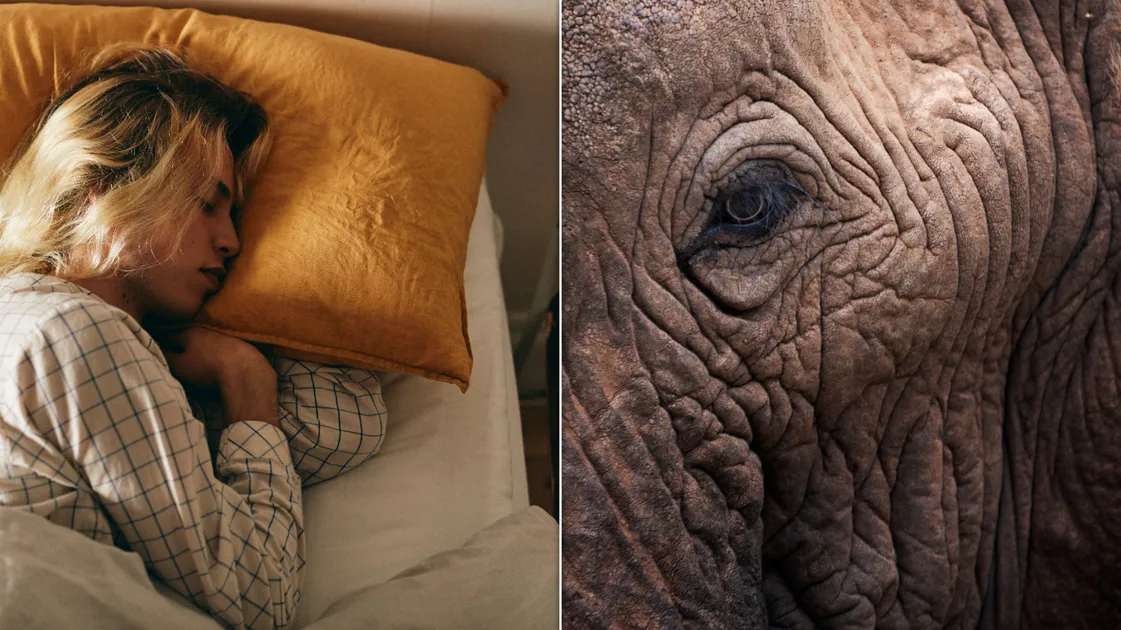
Side sleeping is arguably the comfiest position. At least, that’s what 69% of American adults think, according to a 2024 survey. If you’re in this camp, then you’ve probably been forewarned about the havoc it can — supposedly — wreak on your skin. Crushing one side of your face into your pillow night after night is commonly blamed for causing wrinkles, sagging skin and even facial asymmetry. But given the internet’s history of demonizing things people love, it’s worth asking whether or not these claims are actually backed by science. Unfortunately, research in this area is limited. A 2013 study published by the American Society for Dermatologic Surgery found no significant association between sleep position and wrinkles or facial sagging among 100 women. However, a 2016 review by the American Society for Aesthetic Plastic Surgery suggested that repeated facial compression during side or stomach sleeping may contribute to “sleep wrinkles” over time. Board-certified dermatologist Dr. Shamsa Kanwal said that though there is some truth to this skin care lore, sleep position plays a relatively minor role in visible signs of aging.“The myth is that side sleeping is a primary cause of sagging and wrinkles,” she explained. “The more realistic take is that it can add a small, localized effect, mainly sleep lines, while the big levers remain UV exposure, collagen loss with age, smoking and chronic inflammation.”GettySide sleeping has been rumored for years to cause wrinkles.To put your fears of waking up wrinkled and lopsided to rest, we spoke to dermatologists and other experts to break down how side sleeping affects your skin and if it’s really worth it to switch positions. Sleep wrinkles show up more prominently on skin with lower elasticity. Though they’re not technically “real” wrinkles, sleep lines do become more visible the older you get, thanks to a natural decline in skin’s elasticity. Your body produces less collagen and elastin — the proteins that give your skin its structural strength and flexibility — with age. The loss of both of these supportive fibers manifests clinically as wrinkles and sagging, according to a 2021 study in the International Journal of Molecular Sciences. It also makes you more susceptible to compression wrinkles, another term for sleep lines. “Younger skin rebounds quickly,” said board-certified dermatologist Dr. Marie Jhin. “With aging, the skin becomes less elastic and less extensible, has reduced regenerative capacity, and holds hydration less effectively. So a crease is more likely to persist and, with repetition, become ‘etched in.’”According to both Jhin and Kanwal, those once-temporary morning creases tend to linger a little longer starting in your 30s and beyond. Repeated pressure and friction, combined with sideways pulling of the skin against a pillow, can result in vertical or diagonal lines on the cheek, temple and eye area of the side you sleep on most.No skin care routine can completely stop the hands of time. But focusing on surface hydration and collagen stimulation before bed may reduce the appearance of sleep wrinkles by morning. As Kanwal put it, “Skin elasticity and hydration matter more than the [sleep] position itself because well-hydrated, resilient skin rebounds better after compression.”Outside of a good moisturizer your skin tolerates, Jhin recommends slugging. This popular TikTok technique involves applying petroleum jelly to the skin before bed, which she said creates a physical barrier that helps prevent transepidermal water loss overnight. Boosting your collagen production is more of a long-term game, and a nightly retinoid is the “best-studied topical agent” for doing so, according to Jhin. Tretinoin is her top choice. Side sleeping can play a small role in facial asymmetry.Years of chronic pressure on one side of your face may affect how firm and supported the skin in that area appears over time. However, Jhin said that any imbalance from side sleeping is “usually subtle and often overstated.” “In most people, side sleeping is one factor among many, and not the dominant one,” she explained. Outside of genetics, the major causes of facial asymmetry are posture, muscle dominance (like one-sided chewing), vision-related head tilting, and your bite alignment.And while the placement of your teeth does influence your face’s overall shape, oral surgeon Dr. Jason Auerbach emphasized that side sleeping itself cannot change your bite.“Your bite is dictated by teeth and bone,” he said. “A pillow is not moving teeth. What side sleeping can do is irritate a jaw that’s already prone to trouble. If you clench or grind or you already have TMJ sensitivity, putting pressure on one side all night can make it feel worse in the morning. That’s aggravation, not causation.”Sleep is still the most effective skin care, regardless of position. Whatever effect side sleeping has on your skin, it isn’t enough to risk your eight hours. Kanwal describes quality rest as “one of the most visible skin habits” you can keep, and Jhin would much rather you sleep well on your side than “chase ‘perfect posture’ and sleep poorly.” In fact, she said not getting enough shut-eye can actually make sleep lines look worse as poor sleep elevates cortisol and oxidative stress, accelerating signs of skin aging. That’s why experts say it’s better to sleep in whatever position you rest best in and focus on hydration, collagen support and minimizing friction overnight. “Friction is the enemy,” Jhin explained, and cotton pillowcases create significant friction against the skin, causing it to grip and fold. Though Kanwal said there is “no magical material” that will eliminate compression wrinkles entirely, lower-friction surfaces like silk and satin are less abrasive. Smaller tweaks like this matter more than major overhauls. Because when it comes to your skin, the best position is the one that lets you sleep well.
Side Sleeping Has Been Demonized For This 1 Thing — But It Might Be An Exaggeration
Given the internet’s history of demonizing things people love, it’s worth asking whether or not these claims are actually backed by science.
943 words~4 min read